Allow Carriers on Planes
Source Entity
Hacker News
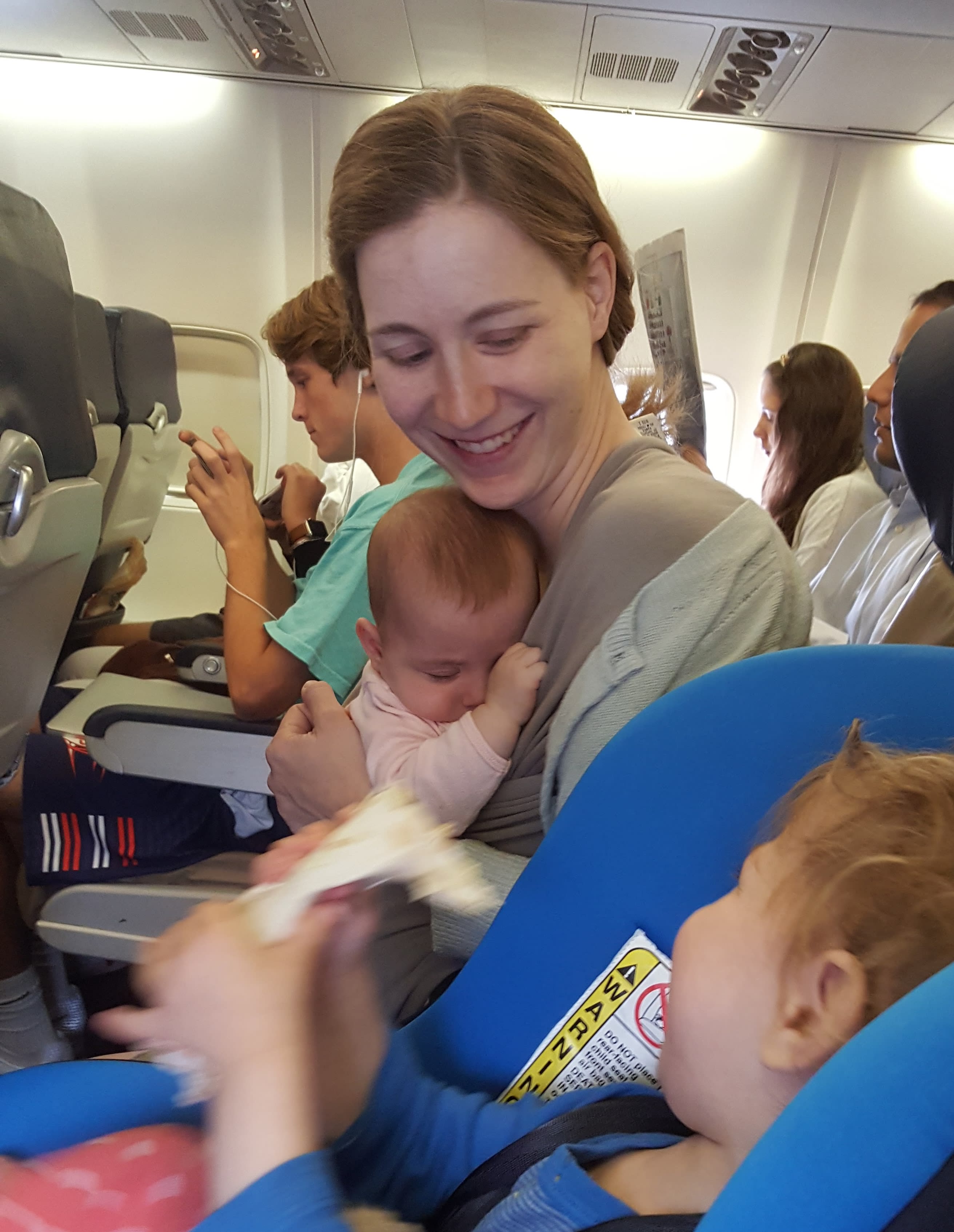
The FAA's current policy requires parents to remove infants from baby carriers during takeoff and landing to ensure safety. Experts argue for a more nuanced approach that considers the overall safety benefits of carrier use, similar to the logic applied to lap-child policies.
The FAA Policy on Infant Carriers: A Regulatory Analysis
The Logic of Risk Mitigation
The Federal Aviation Administration (FAA) maintains a complex framework regarding infant safety during air travel. A primary example of their risk-based regulatory philosophy is the decision not to ban lap-held infants. The agency recognizes that while a dedicated seat with a restraint is safer, mandating it would impose financial burdens on families, potentially incentivizing them to choose driving over flying. Because driving carries a statistically higher risk of fatal accidents, the FAA prioritizes the safer mode of transport, even if the current in-flight policy is not perfect. This 'all things considered' approach is a cornerstone of effective public safety rulemaking.
Current Restrictions on Babywearing
Despite this pragmatic approach to lap-children, the FAA maintains strict requirements regarding babywearing during critical phases of flight. Currently, parents are mandated to remove infants from carriers during takeoff and landing. The regulation stipulates that if an infant under two is traveling as a lap child, they cannot be secured in a restraint system that is not FAA-approved. This creates a functional gap where parents, who rely on carriers for comfort and utility during transit, must interrupt their child’s rest and their own mobility to comply with safety protocols.
The Argument for Modernization
Advocates for policy reform argue that the current mandate to remove infants from carriers may be counterproductive. When babies are secured in a carrier, they are often calmer and more stable, which potentially reduces the physical strain on the caregiver and minimizes the risk of a child being dropped during unexpected turbulence. By strictly forbidding the use of carriers during takeoff and landing, the regulation potentially increases the physical burden on parents, who must hold a potentially restless infant with their bare arms while attempting to manage other travel logistics.
Broader Regulatory Implications
The debate surrounding infant carriers highlights the difficulty of balancing safety regulations with real-world practicality. If the FAA were to evaluate carrier safety under the same 'all things considered' lens used for lap-child policies, it might find that the benefits of secure, hands-free infant transport outweigh the risks currently perceived by regulators. This would involve a shift from rigid prohibitions to evidence-based safety standards that account for the ergonomic and psychological benefits of babywearing in an aviation environment.
Future Trends and Conclusion
As aviation safety standards continue to evolve, there is a growing demand for policies that acknowledge the realities of modern parenting. Future regulatory trends may see the FAA conducting more granular studies on the impact of various carrier types during flight phases. For now, parents must navigate these constraints while balancing their own convenience with strict compliance. The ultimate goal remains a regulatory environment where safety protocols enhance, rather than hinder, the overall travel experience for families, ensuring that the safest mode of travel—flying—remains accessible and practical for all.