‘Choice now rests with US’: Iran offers America 7-day plan to reopen Strait of Hormuz
Source Entity
AYUSH PANDEY
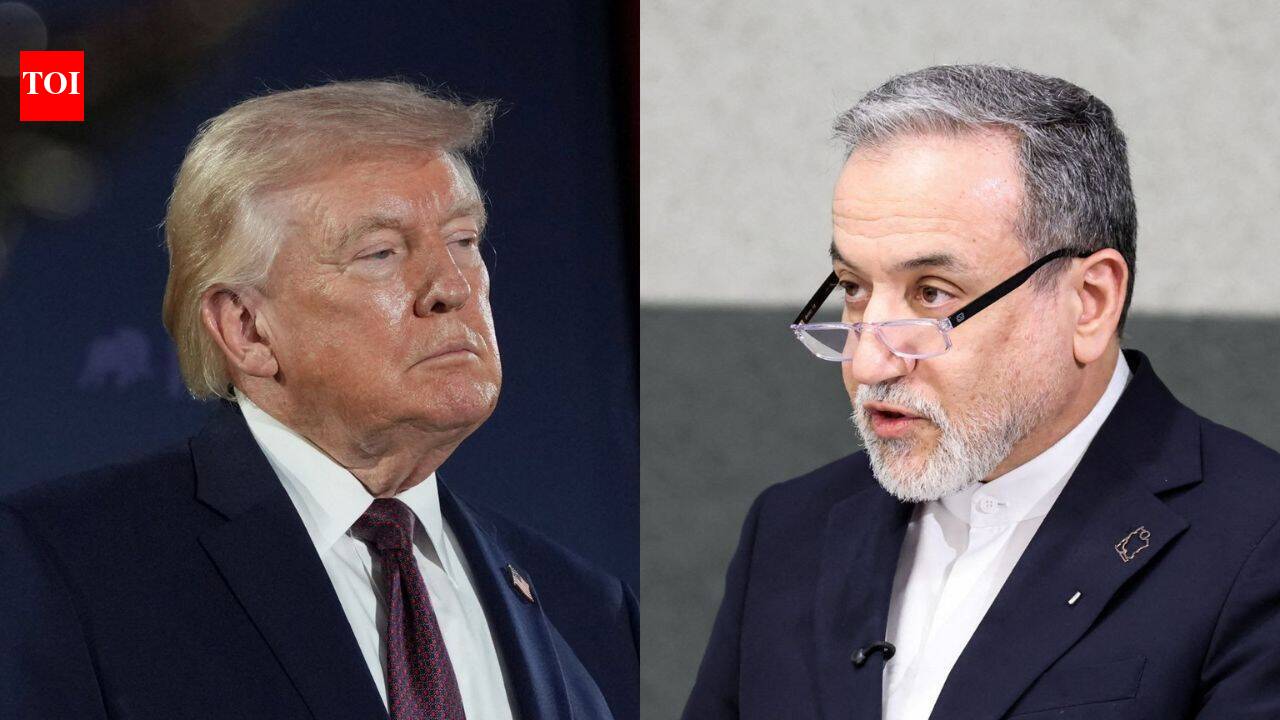
Iran has proposed a seven-day plan to reopen the Strait of Hormuz in exchange for sanctions relief and a ceasefire. President Trump has rejected the offer, signaling a continuation of military pressure beyond the November midterm elections.
The Strait of Hormuz Standoff: Diplomatic Hopes and Military Realities
Recent developments have brought the volatile situation in the Persian Gulf to a critical juncture, as Iranian Foreign Minister Abbas Araghchi announced a proposal to reopen the strategic Strait of Hormuz within seven days. This offer, presented on the sidelines of the UN in New York, seeks to leverage the waterway's vital importance to global energy markets to force a recalibration of US-Iran relations. The proposal is framed around the conditions previously outlined in a June memorandum of understanding that aimed to extend a ceasefire, which had ultimately collapsed.
The Mechanics of the Iranian Proposal
The Iranian plan is multifaceted, tying the reopening of the Strait of Hormuz to specific concessions from the United States. Tehran has demanded the lifting of the naval blockade on its ports, the waiver of sanctions on oil exports, and a broader ceasefire encompassing the conflict in Lebanon. By linking maritime commerce to these diplomatic demands, Iran is positioning the Strait as its primary bargaining chip, attempting to utilize the global economic anxiety caused by its closure as leverage to ease its own domestic economic strain.
Geopolitical Complications and Regional Instability
The viability of this proposal is significantly hampered by the broader regional context, particularly the ongoing conflict in Yemen and internal political divisions within Tehran. While mediators, including Qatar, are actively pushing for diplomatic breakthroughs, the entanglement of these regional proxy conflicts makes a singular agreement difficult to sustain. The collapse of the June ceasefire serves as a stark reminder that even when agreements are reached, the underlying regional tensions—specifically involving Arab Gulf allies and the Yemen conflict—often derail progress.
The US Response and the Path of Escalation
President Donald Trump has categorically rejected the proposal, maintaining a hardline stance that demands Iran abandon its nuclear ambitions entirely. Reports suggest that the administration is not only dismissing the ceasefire offer but is also preparing for a potential intensification of military operations. US officials have indicated that the current bombing campaign, which began in late February following reciprocal strikes between Iran, Israel, and US regional bases, is expected to continue or even escalate following the November midterm elections.
Broader Implications for Global Energy and Security
The Strait of Hormuz remains one of the world's most critical maritime chokepoints, through which a significant portion of the world's oil transits daily. The closure of this waterway has profound implications for global energy prices and international stability. By continuing the naval blockade and rejecting diplomatic overtures, the US is prioritizing a strategy of maximum pressure over immediate market stabilization, a move that could lead to prolonged volatility in the energy sector.
Future Outlook: A Precarious Future
Looking ahead, the situation appears locked in a cycle of military posturing and diplomatic deadlock. As the US moves toward its midterm elections, the administration’s rhetoric suggests that military action will remain the primary tool for addressing the Iranian nuclear question. Unless a significant shift occurs in the negotiations facilitated by mediators, the region faces a period of heightened uncertainty, where the threat of renewed conflict in the Gulf remains a constant, looming reality that threatens both regional security and global economic interests.