Pakistan thanks Trump for 'timely intervention' in Op Sindoor, renews Indus Waters Treaty warning
Source Entity
Latest News: Todays Latest News Headlines from India & World | Hindustan Times | Hindustan Times
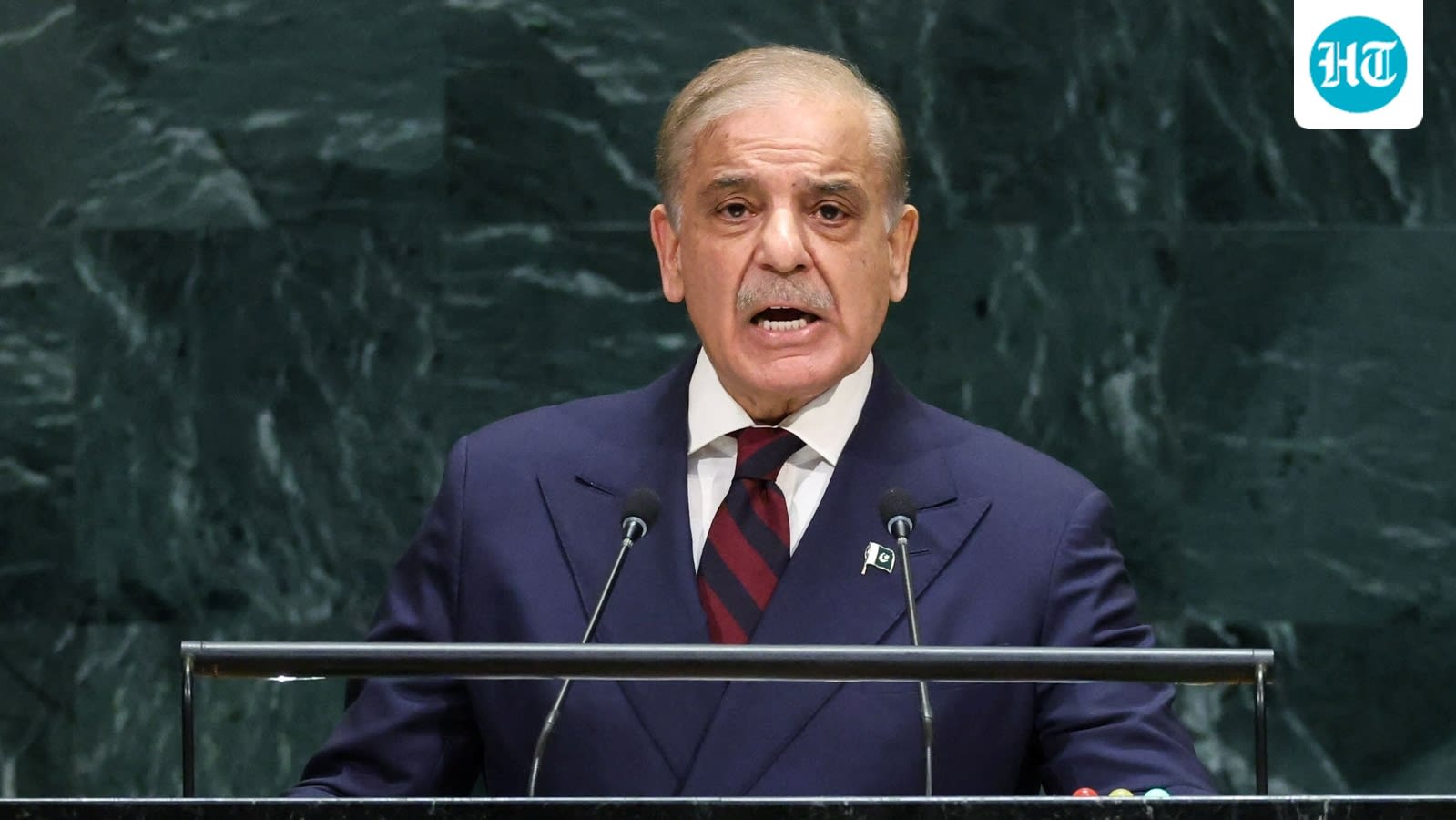
Pakistan's PM Shehbaz Sharif thanked Donald Trump for intervening in the May 2025 'Operation Sindoor' conflict. He further warned at the UNGA that any Indian attempt to divert Indus River waters would be considered an act of war.
Tensions Escalate: Pakistan’s Stance on the Indus Waters
During the 81st session of the United Nations General Assembly (UNGA), Pakistan’s Prime Minister Shehbaz Sharif delivered a stern warning regarding the Indus Waters Treaty. Sharif declared that any move by India to stop, impede, or divert Pakistan’s share of the Indus River waters would be viewed as an “act of war.” This rhetoric underscores a deepening crisis over water security, which Pakistan describes as the “lifeblood” of its national stability and regional agricultural survival.
The Aftermath of Operation Sindoor
Central to the current diplomatic friction is the memory of the May 2025 military confrontation, referred to as 'Operation Sindoor.' According to Prime Minister Sharif, this four-day clash brought the two nuclear-armed neighbors to the precipice of a broader conflict. Sharif publicly credited US President Donald Trump for a “timely intervention” that allegedly de-escalated the situation, highlighting the volatile nature of the current geopolitical climate in South Asia.
The Indus Waters Treaty in Jeopardy
The current diplomatic standoff follows India’s decision to place the Indus Waters Treaty in abeyance—a move initiated in the wake of the Pahalgam terror attack. Pakistan has formally challenged this decision, with Sharif asserting that India’s actions lack any “legal basis whatsoever.” The treaty, which has historically governed the distribution of the Indus River system since 1960, is now effectively suspended, creating a vacuum that threatens regional cooperation.
Weaponization of Water and Regional Stability
Sharif’s address to the UNGA emphasized that water must never be weaponized. By framing the potential diversion of river waters as an existential threat, the Pakistani administration is signaling a shift in its red lines regarding national security. The stark nature of this warning reflects a departure from traditional diplomatic discourse, moving toward a stance where environmental and resource-based security is equated with conventional military defense.
Diplomatic Reactions and Future Outlook
Despite the gravity of the Prime Minister’s statements, the reception at the UNGA remained polarized. An Indian diplomat present during the speech was observed dismissing the remarks with a visible shake of the head, suggesting that India’s official position remains firm despite international pressure. As the region navigates the long-term impacts of the 2025 military clashes and the breakdown of water-sharing agreements, the risk of miscalculation remains high. Future trends suggest that international mediators will continue to play a critical role, yet the path to restoring the Indus Waters Treaty appears increasingly narrow.
Verification Required?