South African white genocide does not exist, new ambassador to US tells BBC
Source Entity
BBC News
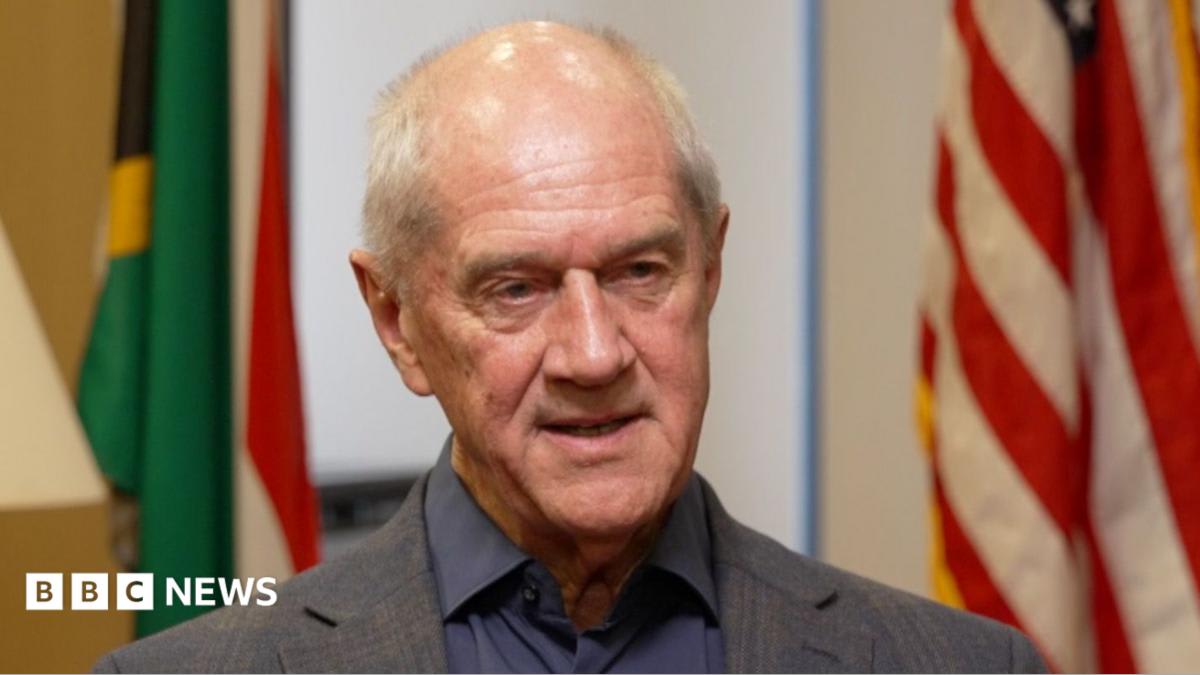
South African ambassador Roelf Meyer has refuted claims of a 'white genocide' in his country, challenging assertions previously made by Donald Trump. Meyer, a former apartheid negotiator, emphasizes that such claims are discredited by all major South African political parties.
The Myth of White Genocide in South Africa: A Diplomatic Clarification
Recent discourse surrounding South Africa has been punctuated by persistent, yet thoroughly discredited, claims regarding a so-called "white genocide." This narrative, which alleges systematic violence against the Afrikaner population, has found its way into international political arenas, most notably through comments made by former U.S. President Donald Trump. In a direct response to these claims, South African Ambassador Roelf Meyer has utilized his unique position as a historic figure in the nation's transition to democracy to firmly refute the existence of such a phenomenon.
The Credentials of a Negotiator
Ambassador Roelf Meyer carries significant weight in this discussion, given his pivotal role in negotiating the end of apartheid on behalf of the National Party. By engaging with leaders like current President Cyril Ramaphosa during the transition, Meyer was instrumental in dismantling the institutionalized racism of the past. His personal identity as an Afrikaner provides him with a unique "legitimacy" to address these claims, as he can speak from a position of belonging to the very community that is allegedly being targeted. His categorical denial of such violence is not merely political rhetoric, but a reflection of his lived experience and his deep familiarity with the country's social fabric.
Discrediting the Narrative
It is essential to note that the "white genocide" narrative is rejected across the entire South African political spectrum. Every major political party, including those that specifically represent Afrikaner interests, has officially discredited these claims. The persistence of the narrative, despite its lack of factual basis, suggests that it is being used as a wedge issue in global political discourse rather than as a reflection of the actual security situation in South Africa. By labeling these claims as false, South African officials are attempting to correct a distorted international perception that obscures the complexities of post-apartheid governance.
The Impact of Symbolic Protests
The context of this debate includes an upcoming vigil on the Washington National Mall, where an Afrikaner lobby group intends to place thousands of white crosses to commemorate victims of "farm attacks." While farm attacks are a genuine and documented security concern in South Africa—affecting farmers of all races—the conflation of these criminal acts with a state-sponsored or systematic "genocide" is what officials like Meyer are actively fighting against. This symbolic protest highlights how specific localized grievances can be co-opted for broader, international political agendas that do not align with the reality on the ground.
Diplomatic Future and Conclusion
Ambassador Meyer has expressed a clear desire to engage in a direct conversation with Donald Trump to clarify the reality of the situation. This proactive diplomatic approach signals a shift toward addressing misinformation at the highest levels of international influence. As South Africa continues to navigate the long-term challenges of land reform, economic inequality, and crime, the distinction between genuine social issues and fabricated narratives of genocide remains critical. By grounding the conversation in the expertise of those who built the modern South African state, the international community can better understand the nuances of the nation's ongoing democratic journey.