FAA says Boeing 737 Max software glitch not a flight-safety issue
Source Entity
US Top News and Analysis
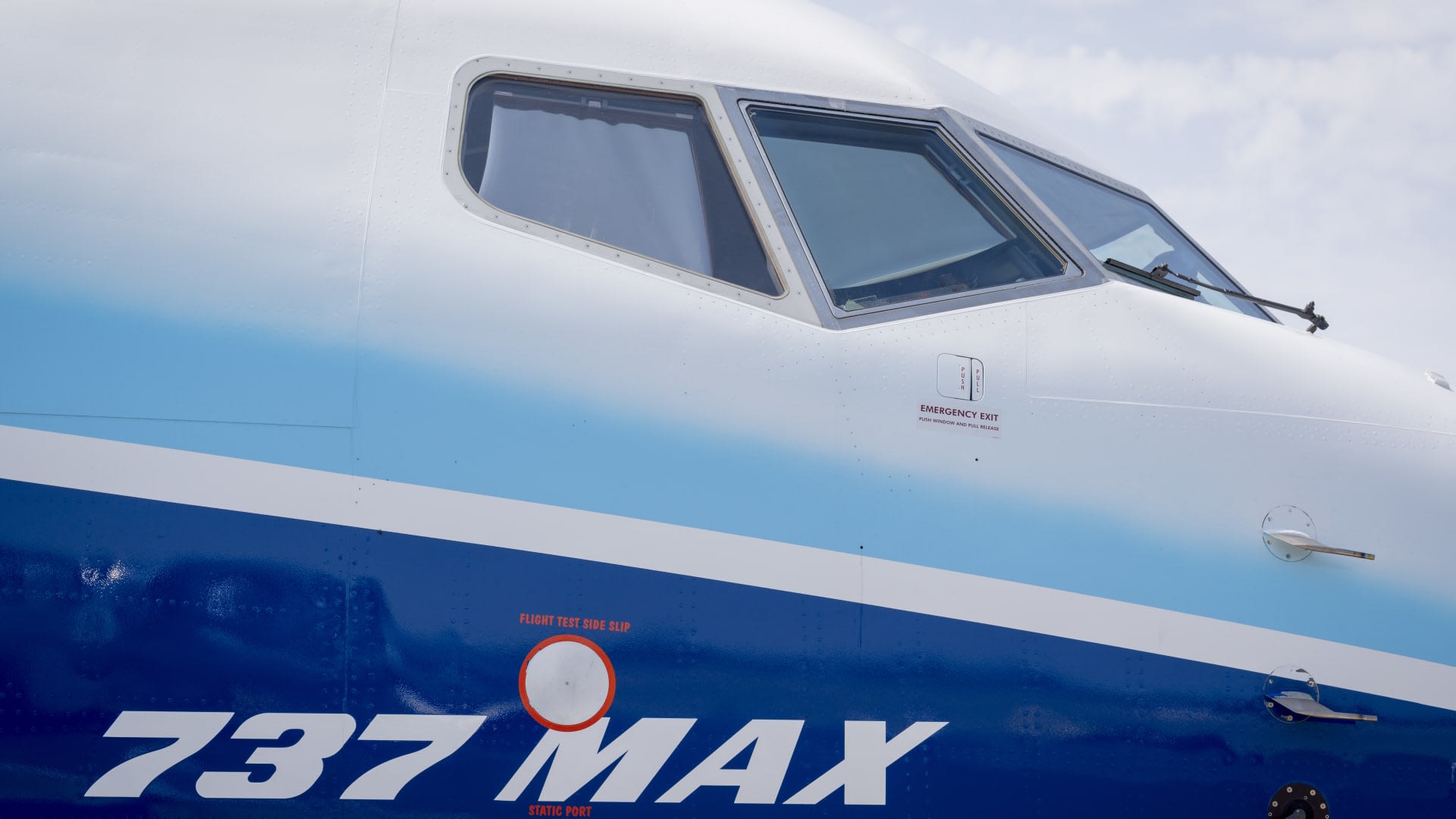
The FAA has cleared a software glitch in the Boeing 737 Max 10, concluding it does not pose a flight-safety risk. This determination is a crucial step toward the certification of the aircraft model.
FAA Clears Path for Boeing 737 Max 10 Certification
The Federal Aviation Administration (FAA) has officially concluded that a recently identified software glitch within the Boeing 737 Max fleet, specifically concerning the Max 10 model, does not constitute a flight-safety issue. This determination follows a rigorous review process initiated after Boeing flagged the anomaly last month. The glitch, which pertains to procedures during specific landing scenarios, had prompted immediate scrutiny from regulators to ensure it did not jeopardize the integrity of the aircraft's operation.
Implications for Boeing's Market Strategy
For Boeing, this regulatory clearance is a significant milestone. The 737 Max 10 is the final and largest variant in the company's best-selling 737 Max family. Securing certification for this model is essential for Boeing's financial recovery and market competitiveness, especially as the aerospace giant seeks to increase delivery volumes and restore investor confidence following years of manufacturing and safety-related crises that have hampered the company's reputation and production output.
The Review Process and Regulatory Oversight
A panel of FAA safety experts conducted a thorough investigation into the software behavior. By determining that the glitch does not pose a safety-of-flight risk, the agency has effectively removed a major hurdle that threatened to delay the certification timeline. While the FAA has signaled it will remain vigilant and consider appropriate action should new information regarding this specific software issue emerge, the current ruling provides the necessary breathing room for Boeing to proceed with its certification agenda.
Historical Context and Safety Culture
This development occurs against a backdrop of intense historical scrutiny regarding the 737 Max program. Following previous high-profile safety incidents that led to the global grounding of the Max fleet, the FAA and other international regulators have adopted a heightened posture toward software validation and systems engineering. The transparency shown by Boeing in self-reporting this latest glitch suggests a shift in operational culture, emphasizing proactive identification of potential issues before they reach the flight line.
Future Outlook for the 737 Max 10
Looking ahead, the successful certification of the 737 Max 10 will likely serve as a catalyst for Boeing’s long-term growth. As the aviation industry recovers from the post-pandemic slump and demand for fuel-efficient, high-capacity narrow-body aircraft increases, the Max 10 is positioned to compete directly with rival offerings. The FAA's recent decision provides the regulatory certainty needed to advance toward final production and delivery, signaling a potential turning point in Boeing's quest to stabilize its manufacturing and safety protocols.