Men are losing ground in the labor market. Here's why
Source Entity
US Top News and Analysis
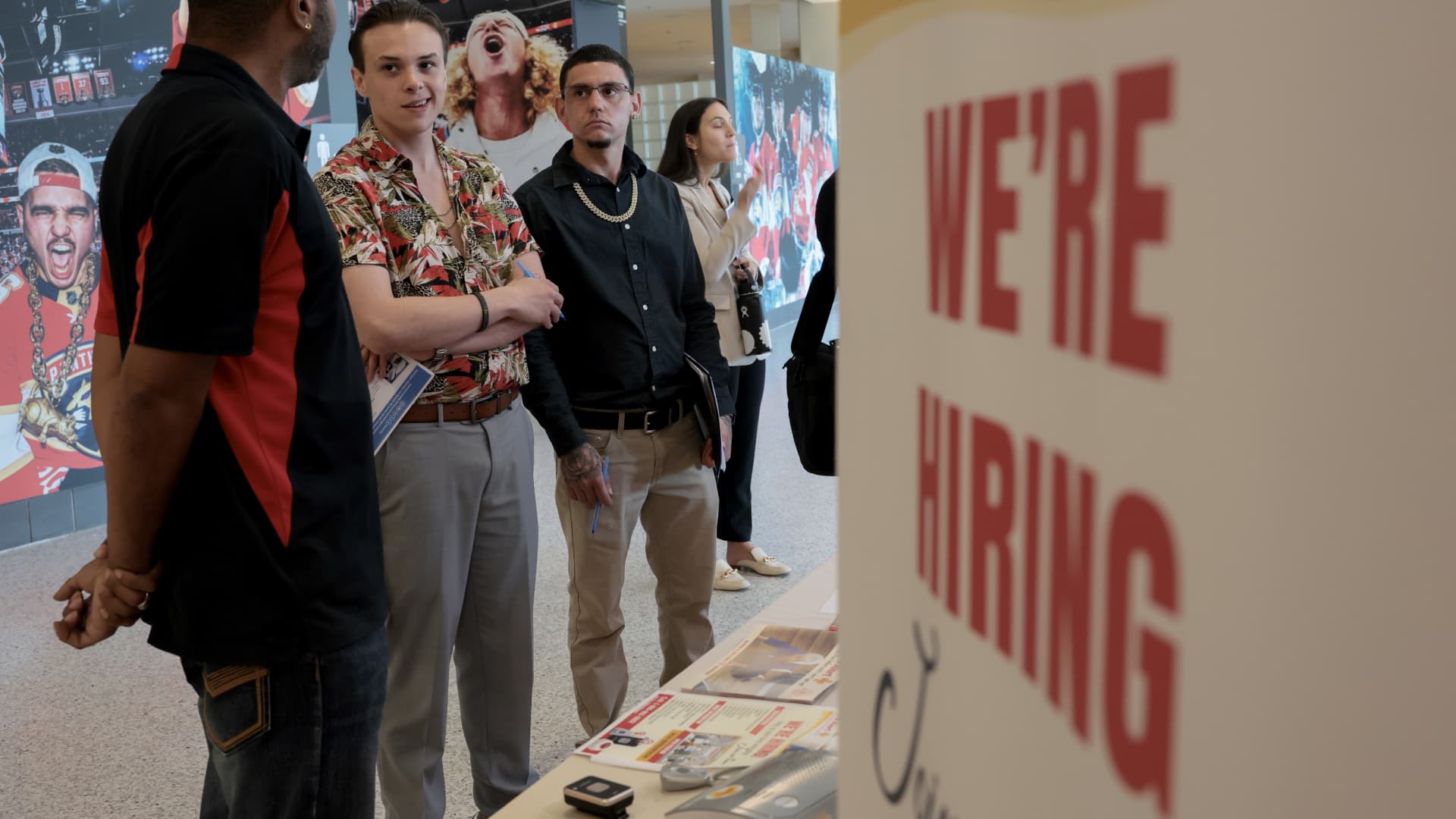
Women have maintained a majority in the U.S. workforce for eight consecutive months, marking a significant shift in labor market dynamics. While men contributed to recent job growth, the current trend is primarily driven by sustained gains in female employment.
The Shifting Landscape of the Modern Workforce
Recent data analysis from the job search platform Indeed has revealed a historic trend: women have officially outnumbered men in the workforce for eight consecutive months as of September 2026. This period represents the longest sustained stretch of female labor market dominance since 2010, signaling a profound transformation in how the American economy functions and who drives its growth.
Divergent Drivers of Labor Trends
Historically, fluctuations in the workforce participation gap were often attributed to men losing jobs during economic downturns. However, the current dynamic is fundamentally different. According to Cory Stahle, a senior economist at Indeed, the present gap is not a result of male displacement but rather a testament to the robust and steady gains made by women in securing employment. This shift suggests that the mechanisms of labor market entry and retention are increasingly favoring female participation.
Analyzing Recent Employment Data
While the long-term trend highlights female prominence, the month-to-month data remains nuanced. A CNBC analysis of Bureau of Labor Statistics (BLS) reports indicates that men accounted for slightly more than 50% of net job growth in September 2026. This is a notable recovery from the previous month, where men represented a meager 2% of total payroll growth. These figures illustrate a volatile labor market where the broader trend of female majority coexists with sporadic, sector-specific rebounds for male workers.
The Impact of Job Fairs and Recruitment
Visible evidence of these shifting dynamics can be seen at large-scale recruitment events, such as the Mega JobNewsUSA South Florida Job Fair held at the Amerant Bank Arena. Events like these serve as a microcosm of the broader economy, where employers actively engage with a diverse pool of candidates to fill gaps in the labor force. The interaction between recruiters and potential employees remains a critical component in ensuring that both genders can navigate the evolving requirements of the modern workplace.
Broader Economic Implications
This sustained trend of female labor market participation carries significant implications for policy, wage growth, and corporate strategy. As women continue to hold the majority in the workforce, industries must adapt their benefits, flexible work arrangements, and professional development programs to reflect a changing demographic. The long-term shift suggests that future economic stability may rely more heavily on the continued integration and advancement of women across all sectors.
Concluding Thoughts on Future Trends
Looking ahead, the labor market will likely continue to be defined by these shifting participation rates. While men have shown a capacity for recovery in net job growth, the streak of female majority participation underscores a structural change that is unlikely to reverse quickly. Economists and policymakers will need to monitor these BLS trends closely to understand how the labor supply responds to ongoing economic pressures and changing demographic realities.