Hundreds Of US Flights Cancelled After Air Traffic Control Malfunction
Source Entity
NDTV News Search Records Found 1000
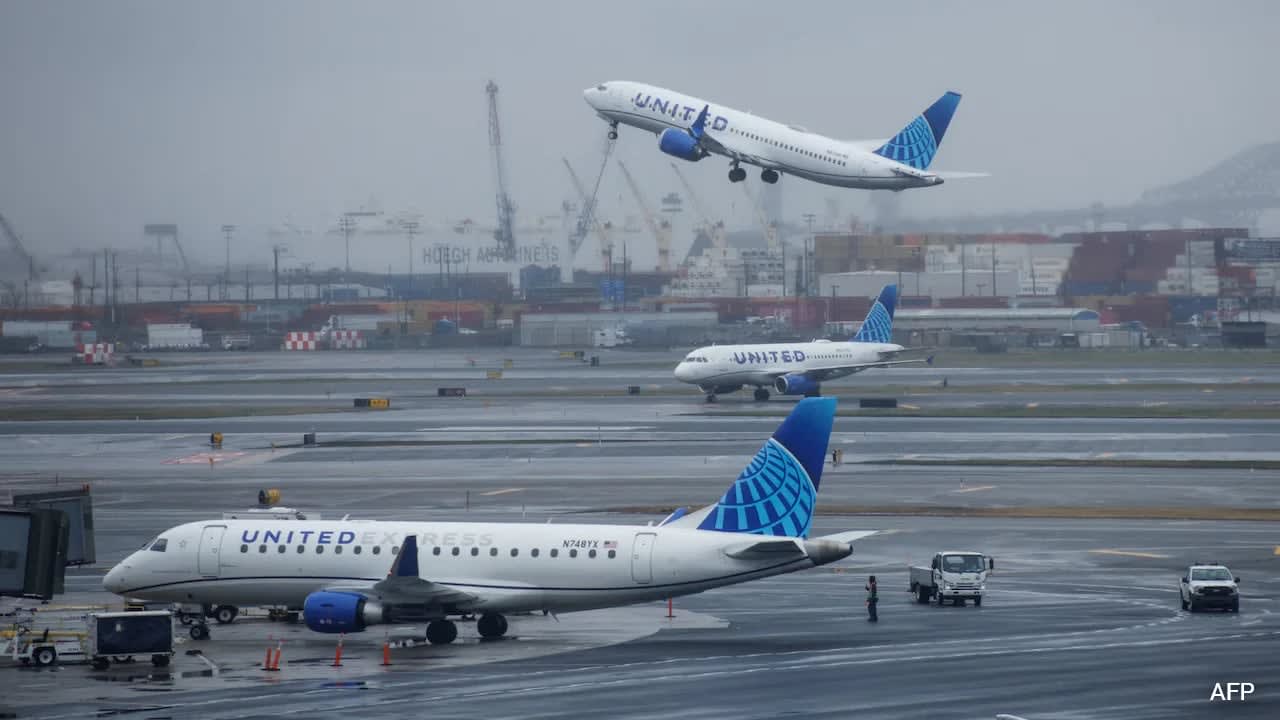
A critical equipment failure at the Philadelphia TRACON facility caused widespread flight groundings and diversions across the northeastern United States. The outage, stemming from a dual failure of primary and backup communication lines, severely impacted major hubs including Newark, JFK, and LaGuardia.
FAA Infrastructure Failure Disrupts Northeastern Airspace
On Monday, air travel across the northeastern United States was thrown into chaos following a significant equipment malfunction at the Federal Aviation Administration's (FAA) Philadelphia Terminal Radar Approach Control (TRACON) facility. This critical infrastructure failure, which centered on radio frequencies and communication systems, triggered a cascading series of ground stops and delays, effectively paralyzing one of the world's most congested airspaces. The incident highlights the extreme vulnerability of the National Airspace System (NAS) to localized technical failures.
The Root Cause: A Double Point of Failure
According to official reports, the disruption was not merely a software glitch but a hardware-related catastrophe. A primary communications circuit suffered a total failure, which would typically be mitigated by a redundant backup system. However, in a rare and problematic alignment of circumstances, the facility’s backup fiber-optic cable also experienced a physical break. This simultaneous loss of primary and secondary communication channels left air traffic controllers unable to maintain safe separation for incoming and outgoing flights, necessitating immediate ground stops to prevent mid-air hazards.
Cascading Impacts on Regional Hubs
The impact was immediate and widespread, extending well beyond the Philadelphia metropolitan area. Newark Liberty International Airport, a primary international hub for United Airlines, faced severe disruptions, with 168 flights canceled and 97 delayed by 1900 GMT alone. As the FAA attempted to manage the traffic flow, the ripple effects forced nearly 70 aircraft to divert to secondary airports. By early afternoon, the chaos had migrated north, impacting New York City’s major gateways, including John F. Kennedy International Airport and LaGuardia, as the regional radar control environment became compromised.
Operational and Economic Consequences
For the aviation industry, the economic cost of such a collapse is substantial. Ground stops at major hubs like Newark and Philadelphia initiate a 'domino effect' that disrupts flight schedules across the entire country for days. Passengers stranded on the tarmac or in terminal buildings faced significant uncertainty, while airlines scrambled to rebook passengers and reposition flight crews. The necessity of diverting 70 planes highlights the lack of flexibility in the current system when a major TRACON facility goes dark.
Broader Implications for Aviation Infrastructure
This event serves as a stark reminder of the aging nature of domestic air traffic control infrastructure. While the FAA has been working on modernizing its systems, the reliance on physical fiber-optic lines and specific TRACON facilities creates single points of failure that can paralyze regional commerce. The incident has already sparked discussions regarding the urgency of upgrading redundant communication architectures to ensure that a localized hardware failure does not translate into a regional transport emergency.
Looking Toward Future Resilience
As the aviation sector recovers, the focus will likely shift toward forensic analysis of how both the primary and backup systems failed concurrently. Experts suggest that future infrastructure investments must prioritize 'geodiversity' in communication pathways—ensuring that backup lines do not share the same physical routes as primary lines. Until such systemic hardening occurs, the northeastern corridor remains susceptible to similar disruptions, underscoring the critical need for robust, failure-resistant technology in the backbone of American aviation.
Verification Required?