Pakistan airstrike kills 3 in Afghanistan, Taliban warns of ‘crushing response’
Source Entity
RAJEEV SINGH
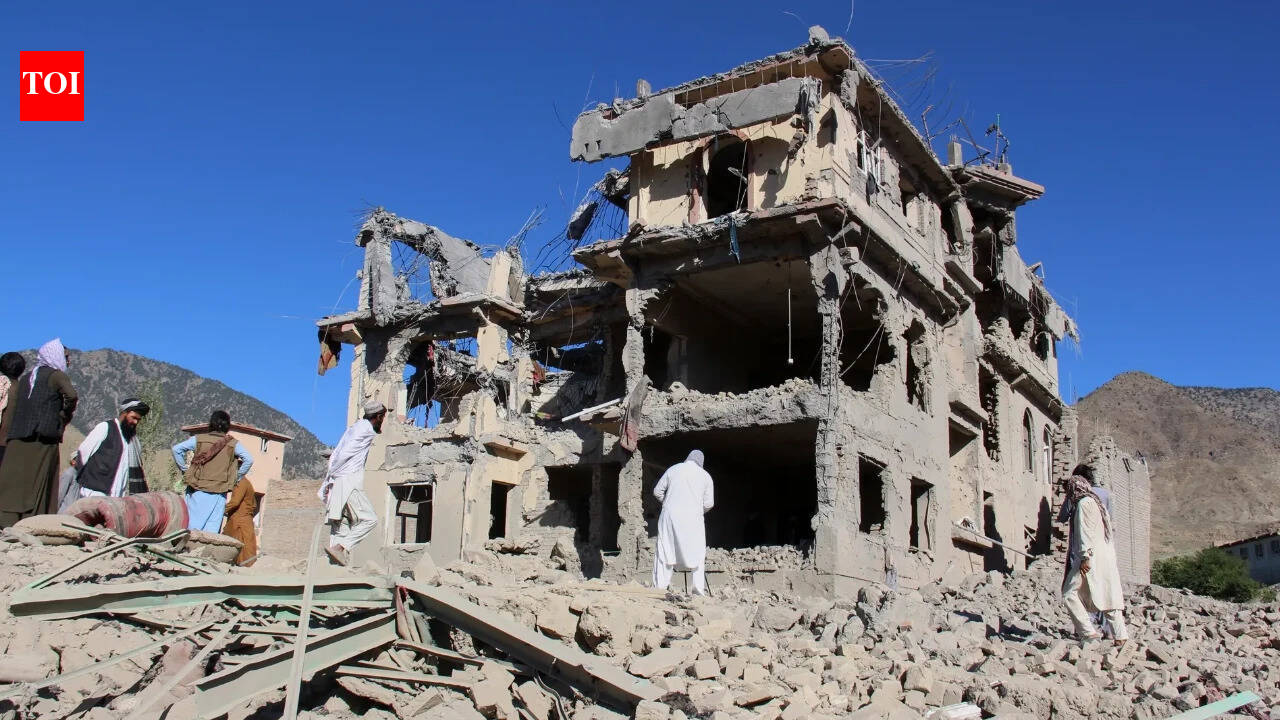
Pakistan conducted airstrikes in Afghanistan resulting in three deaths, further escalating border tensions. The Taliban has condemned the action and threatened a retaliatory response, while denying allegations of harboring militants.
The Escalation of Pakistan-Afghanistan Border Tensions
Recent military developments have brought the volatile border region between Pakistan and Afghanistan to a critical juncture. Following reports that at least three individuals were killed in Pakistani airstrikes within northeastern Afghanistan, both nations find themselves in their most precarious diplomatic position in months. This kinetic action follows a period of relative calm, effectively shattering the fragile stability that had characterized the border for the preceding three months.
The Core Dispute: Militancy and Sovereignty
The central friction point remains the persistent issue of cross-border militancy. Islamabad has consistently accused the Taliban-led administration in Kabul of providing sanctuary to militant groups—specifically those targeting Pakistani interests—who allegedly use Afghan soil to recruit, train, and launch incursions. Conversely, the Taliban government has vehemently rejected these assertions, maintaining that they are not responsible for security failures within Pakistan’s borders. This fundamental disagreement over the movement of non-state actors serves as the primary driver for the current diplomatic breakdown.
Historical Context and Recent Clashes
To understand the gravity of this incident, one must look back to February, which marked the most serious military confrontation between the two neighbors in years. The relationship, once described as a strategic alliance, has increasingly devolved into a cycle of accusations and military posturing. The recent strikes, occurring only days after an attack on a police facility in northwest Pakistan, highlight how quickly local security incidents can trigger broader regional military responses.
The Taliban’s Stance and Potential Retaliation
The Taliban’s rhetoric has shifted toward a more confrontational posture, with official spokespeople explicitly warning of a "crushing response" to any further violations of Afghan sovereignty. By framing the airstrikes as an infringement on their territorial integrity, the Taliban is leveraging nationalist sentiment to solidify their internal standing. The rejection of claims regarding the Tehreek-e-Taliban Pakistan (TTP) operating from their territory further complicates the possibility of a diplomatic resolution, as it leaves little room for the mutual verification of security concerns.
Broader Implications for Regional Stability
The implications of this conflict extend far beyond the immediate casualty count. Continued instability on the Durand Line threatens to disrupt regional trade, exacerbate the refugee crisis, and provide a vacuum for other extremist elements to thrive. As Pakistan grapples with its internal security challenges and Afghanistan struggles to gain international legitimacy, the lack of a functional communication channel between the two military establishments remains a significant risk factor for inadvertent escalation.
Future Outlook
Looking ahead, the trajectory of this relationship suggests a period of heightened volatility. Without an intermediary or a robust bilateral mechanism to address intelligence sharing regarding militant movements, further skirmishes appear likely. The international community remains wary of the situation, as any large-scale conflict between these two neighbors would have catastrophic consequences for the security architecture of South and Central Asia. The coming weeks will be decisive in determining whether both parties choose to prioritize de-escalation or allow the current cycle of violence to dictate their foreign policy.