Expired medicine, products bearing forged MNC labels, injection vials worth ₹3.38 crore seized in Bengaluru
Source Entity
India Latest News: Top National Headlines Today & Breaking News | The Hindu
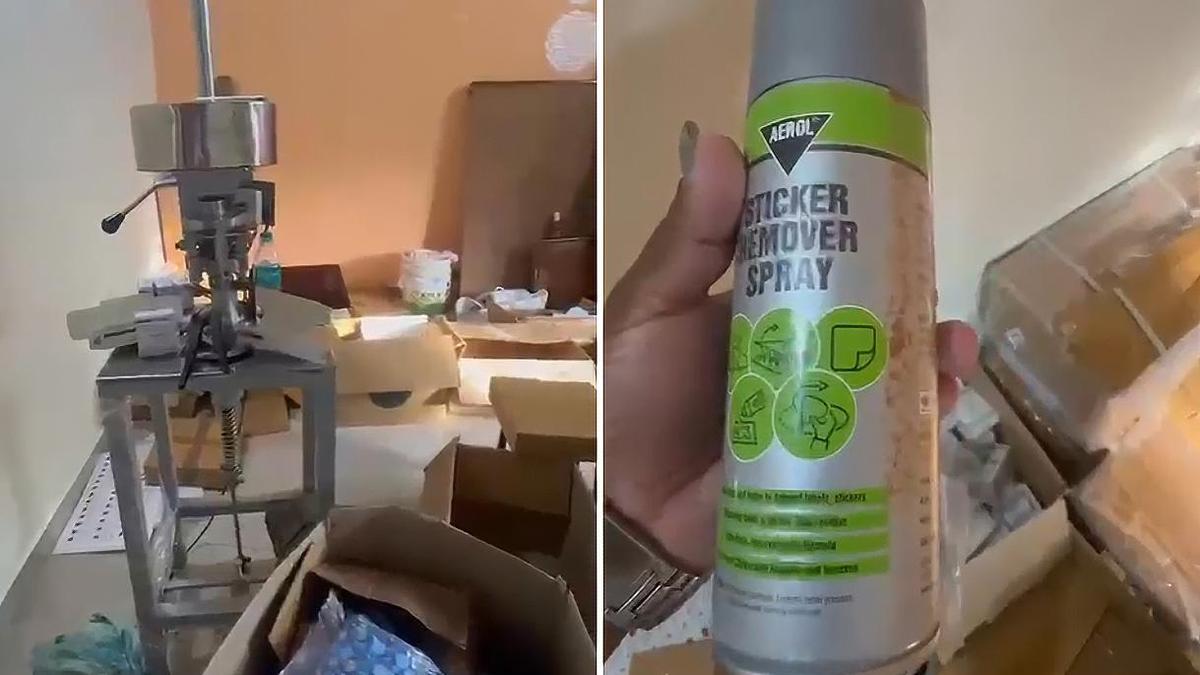
Karnataka authorities have seized over ₹5 crore worth of spurious and expired medicines from an unlicensed unit near Bidadi, Bengaluru. The operation involved relabeling low-cost drugs with the branding of major multinational pharmaceutical companies.
Uncovering a Dangerous Pharmaceutical Fraud
A recent enforcement operation by the Karnataka Food Safety and Drug Administration (FSDA) has exposed a massive illicit pharmaceutical racket operating on the outskirts of Bengaluru. Following a raid on an unlicensed facility near the Bidadi toll gate, authorities seized a cache of spurious, expired, and mislabeled medical products valued at approximately ₹5 crore. This operation highlights a sophisticated criminal enterprise dedicated to the repackaging of substandard substances under the guise of premium, reputable medical brands.
The Mechanics of the Racket
At the center of this investigation is the alarming practice of relabeling low-cost or expired pharmaceutical products to mirror the packaging of established multinational corporations. The most significant discovery during the raid involved 5,640 vials of 'CEFIAVIGENT 2.5 Injection,' which were valued at ₹3.38 crore alone. According to Health Minister U.T. Khader, these vials falsely identified 'Eucratia Healthcare Private Limited' as the manufacturer, illustrating the lengths to which these operators go to lend an air of legitimacy to their dangerous products.
Public Health Implications
The discovery of such a large quantity of illicit injectables—including 1,531 vials of 'HIZLAM Injectables'—poses a severe threat to public health. When medicines are manufactured in unlicensed, unregulated environments, there is no guarantee of sterility, chemical integrity, or efficacy. The potential for these products to reach Intensive Care Units (ICUs) or critical care settings is particularly harrowing, as patients in these environments are most vulnerable to the consequences of counterfeit or contaminated medication.
Regulatory Oversight and Enforcement
This bust underscores the critical importance of robust oversight by the FSDA. By operating an unlicensed unit near Hejjala, the perpetrators attempted to circumvent the stringent regulatory framework required for pharmaceutical manufacturing. The swift action taken by the Drug Enforcement Wing highlights the ongoing battle against shadow supply chains that exploit loopholes to distribute fraudulent health products.
Future Trends and Security Measures
As the investigation continues, the focus remains on identifying the entire supply chain responsible for the distribution of these fake drugs. This event serves as a stark reminder of the need for improved traceability in the pharmaceutical sector. Moving forward, authorities will likely emphasize the need for advanced packaging technologies, such as tamper-evident seals and blockchain-based authentication, to help pharmacists and hospitals verify the provenance of life-saving injectables.
Conclusion
In summary, the seizure of ₹5 crore worth of spurious drugs near Bidadi is a significant victory for consumer safety. However, it also exposes the persistent vulnerability of the medical supply chain to criminal exploitation. Continued vigilance and stricter enforcement against unlicensed manufacturing facilities remain essential to prevent such life-threatening products from entering the healthcare system.
Verification Required?