BJP Telangana chief Ramchander Rao arrested en route to Jurala project protest
Source Entity
India Latest News: Top National Headlines Today & Breaking News | The Hindu
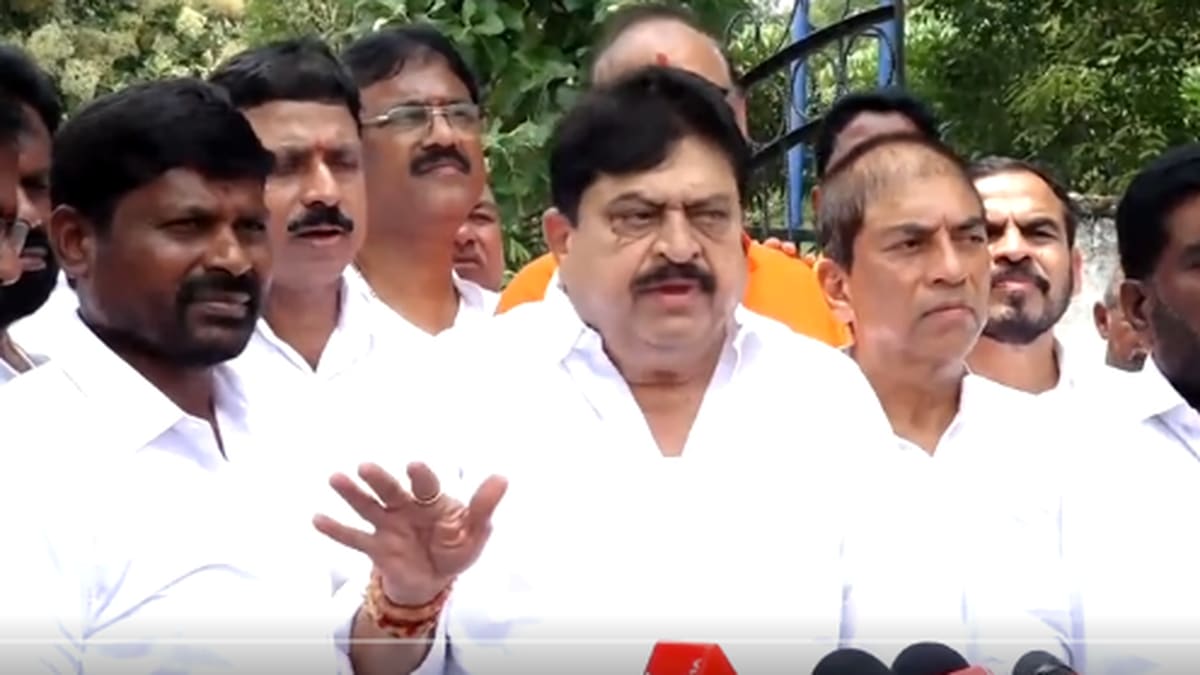
Farmers' protests have intensified across India, with demonstrations in Haryana over paddy procurement and in Telangana over irrigation water. Police have responded with detentions and crowd control measures, drawing sharp criticism from BJP leadership.
Escalating Farmer Unrest: A Dual-Front Challenge
Recent events have highlighted a growing wave of agrarian dissatisfaction across India, manifesting in distinct but parallel protests in Haryana and Telangana. In Haryana, the Bhartiya Kisan Union (Charuni) staged a major blockade on the Delhi-Chandigarh highway (NH-44) at Shahbad, demanding immediate state intervention in paddy procurement. Simultaneously, in Telangana, BJP state president N. Ramchander Rao was arrested while attempting to visit the Priyadarshini Jurala Project, where farmers are protesting for water access to save their standing crops.
The Haryana Conflict: Procurement and Policing
The situation at Shahbad escalated into a direct confrontation between the BKU (Charuni) and local law enforcement. As protesters breached barricades to occupy the national highway, Haryana Police utilized water cannons and tear gas to disperse the crowds. This clash underscores the recurring tension between state procurement policies and the immediate economic survival of farmers, who rely on government intervention to secure fair prices for their harvest. The detention of union leaders, including Gurnam Singh Charuni, reflects a hardline approach by authorities to maintain public order on critical logistics corridors.
Telangana: Irrigation and Political Entrenchment
In Telangana, the arrest of N. Ramchander Rao in Jadcherla marks a significant intensification of political friction. The Jurala irrigation project has become a flashpoint, with farmers arguing that the state’s current water management policies are jeopardizing their agricultural output. The BJP’s intervention, featuring figures like Bandi Sanjay Kumar and D.K. Aruna, suggests that the party is positioning itself as a primary advocate for the farmers' cause, directly challenging the Congress government's administrative strategy.
Broader Implications for Agrarian Policy
These events are emblematic of the broader structural challenges facing the Indian agricultural sector. Whether the issue is the procurement of paddy in the north or the equitable distribution of irrigation water in the south, the common thread is a perceived disconnect between state policy and the immediate, urgent needs of the farming community. The use of preventive detentions and 'house arrests' for political figures indicates that the state views these protests not just as agricultural disputes, but as significant political and law-and-order threats.
Historical Context and Future Outlook
Historically, the mobilization of farmer unions has proven to be a potent force in Indian politics, often forcing policy revisions through sustained public pressure. The current trend suggests that as climate variability impacts water resources and market volatility affects crop pricing, the frequency of such localized protests is likely to rise. Future governance will depend heavily on the ability of state administrations to balance infrastructure development, such as irrigation projects, with the immediate subsistence requirements of the farmers they serve.
Conclusion
The simultaneous unrest in Haryana and Telangana signals a difficult period for state governments tasked with managing agricultural crises. As the BJP steps up its opposition to the current handling of these protests, the situation is set to remain volatile. The resolution of these grievances—through either dialogue or further state intervention—will be a bellwether for how effectively the government can address the fundamental economic insecurities of the agricultural sector.
Multiple Citing Sources
Verification Required?