Judge temporarily overturns Trump's White House media ban
Source Entity
BBC News
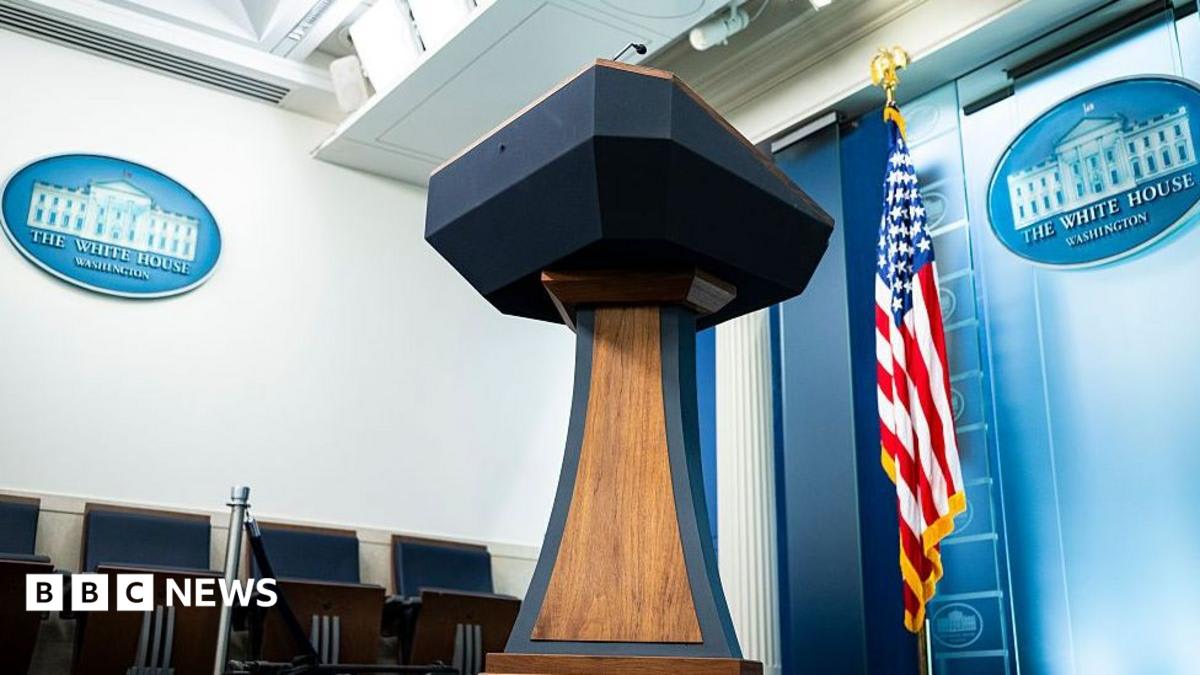
A federal judge has issued a temporary restraining order requiring the White House to reinstate press credentials for CNN, Politico, and MS NOW. The court rejected the administration's national security justifications, signaling a likely First Amendment violation.
The Legal Clash Over Press Freedom
A federal judge has issued a temporary restraining order compelling the Trump administration to immediately restore White House "hard pass" press credentials to journalists from CNN, Politico, and MS NOW. This judicial intervention marks a significant escalation in the ongoing tension between the executive branch and major media organizations. The ban, which was originally announced by President Donald Trump on September 18, 2026, sparked an immediate legal challenge from the affected outlets, leading to a high-stakes courtroom battle over the limits of presidential authority regarding media access.
Constitutional Arguments and Judicial Scrutiny
The core of the legal dispute rests on the First Amendment of the U.S. Constitution, which protects the freedom of the press. Lawyers representing the news organizations, including Theodore Boutrous Jr., argued that the administration’s actions constituted clear retaliation for the content of the stories published by these outlets. By revoking credentials, the plaintiffs asserted that the government was effectively punishing journalists for exercising their constitutional rights, thereby creating a chilling effect on investigative reporting and public accountability.
The Administration's Defense and Rejection
During the proceedings, the Department of Justice attempted to defend the ban by citing national security concerns and accusing the outlets of disseminating false information. However, District Judge Timothy Kelly, who was appointed by President Trump in 2017, ultimately rejected these arguments. The court found that the administration failed to provide sufficient justification to override the press's right to access, finding that the ban was likely unconstitutional. This ruling serves as a stark reminder of the judiciary's role in checking executive power when it intersects with fundamental civil liberties.
Procedural Context and Immediate Implications
The temporary restraining order mandates that the revoked hard passes be returned and access restored for a period of 14 days. This window provides a cooling-off period while the broader legal challenges proceed. The White House has remained largely silent following the ruling, though the administration retains the option for further legal maneuvers. The situation highlights the precarious nature of "hard pass" credentials, which are essential for journalists to perform their duties within the White House complex.
Future Trends in Executive-Media Relations
This event sets a critical precedent for how future administrations may attempt to control the narrative by restricting physical access to the seat of power. As digital media and traditional outlets continue to face scrutiny, the reliance on judicial review to maintain the integrity of the press corps becomes increasingly vital. This case underscores a broader trend where the definition of "press access" is being litigated in real-time, suggesting that the relationship between the presidency and the media will continue to be defined by legal friction rather than informal norms.
Conclusion
The court’s decision to override the White House ban represents a victory for the principle of a free press. By ordering the immediate reinstatement of access for CNN, Politico, and MS NOW, Judge Kelly has reaffirmed that executive authority, while broad, is not absolute when it infringes upon constitutional protections. As the 14-day window for the restraining order begins, the focus shifts to how the administration will navigate future interactions with these outlets and whether this ruling will deter similar attempts to restrict media access in the future.