'Bihar is being shamed': Tejashwi seeks Samrat's resignation over Jamui incident
Source Entity
ABHISHEK MISHRA
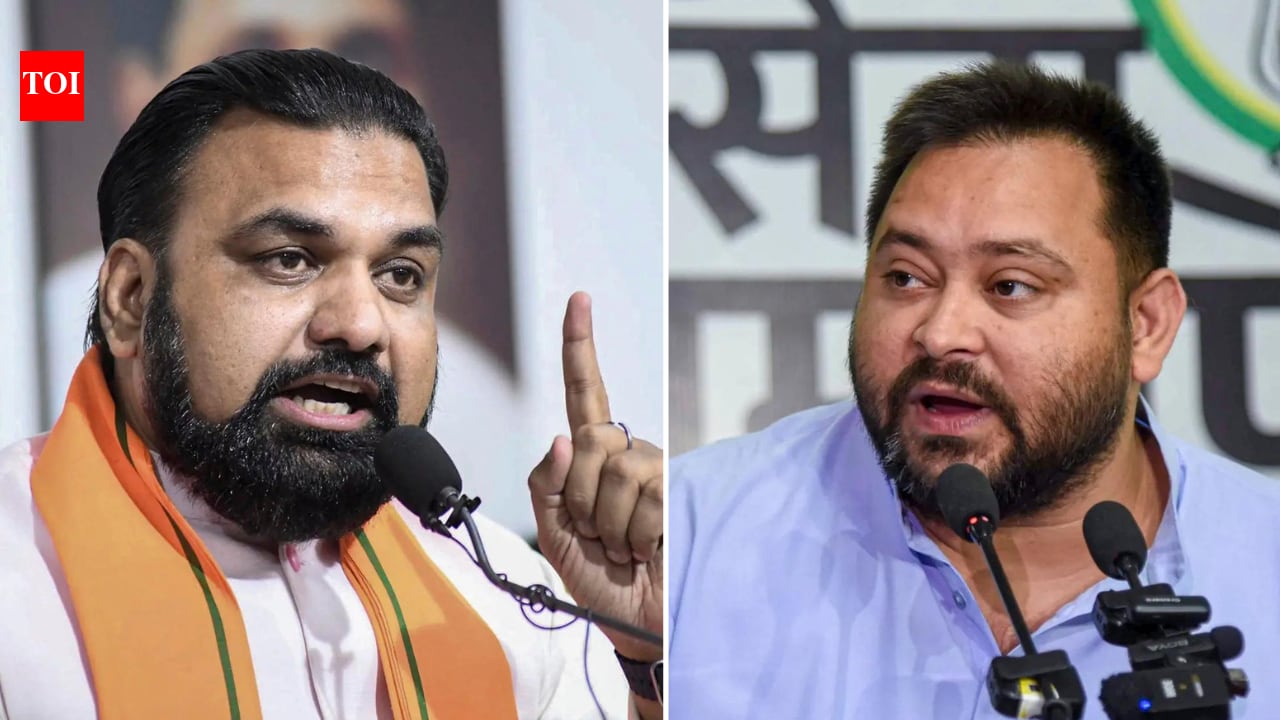
A viral harassment incident in Jamui, Bihar, has sparked a political firestorm, with opposition leaders demanding resignations over the government's handling of the law and order situation. The incident has undermined the ruling NDA's 'Jungle Raj' narrative, highlighting systemic concerns regarding safety and official accountability.
The Jamui Incident: A Political and Social Crisis
The recent incident in Jamui, Bihar, where a Class 10 student and her friend were harassed, assaulted, and filmed by a group of teenage boys while returning from a coaching center, has ignited a significant political and social firestorm. The harrowing footage of the victims pleading for their release has not only sparked public outrage but has also placed the state’s law and order machinery under intense scrutiny. This event, which took place in the hilly outskirts of the district, serves as a grim reminder of the persistent challenges regarding women's safety in public spaces.
Challenges to the 'Jungle Raj' Narrative
Historically, the National Democratic Alliance (NDA) in Bihar has built much of its political capital on the promise of ending the so-called 'Jungle Raj'—a term used to describe periods of alleged lawlessness in the state. However, the Jamui incident, coupled with the prior on-camera encounter of Bharat Bhushan Tiwari in Bhojpur, threatens to invert this narrative. The government is now facing criticism that the very law and order failures it once campaigned against are persisting under its watch, undermining its credibility with the electorate.
Political Fallout and Demands for Accountability
Opposition leader Tejashwi Yadav has seized upon the incident to demand the resignation of Samrat Choudhary, directly challenging the leadership of the current administration. The demand for accountability is intensified by the perceived 'boastful' nature of the government’s claims regarding crime control. When political leaders, such as the minister who dismissed the event as a 'chhitputh ghatna' (minor incident), offer dismissive remarks, it further exacerbates public anger and signals a disconnect between the state leadership and the reality of the victims' suffering.
The Impact of Dismissive Rhetoric
Language used by public officials holds immense weight in shaping societal attitudes toward gender-based violence. By minimizing the Jamui assault, the government risks fostering a culture of impunity. Such rhetoric not only discourages victims from coming forward but also emboldens perpetrators who perceive that crimes against women might be treated as trivial matters by those in power. This shift in discourse is a critical factor in why the incident has transcended being a local crime to becoming a state-wide political liability.
Broader Implications for Bihar's Governance
As the government navigates this embarrassment, the pressure to demonstrate concrete action is mounting. The intersection of this crime with the ongoing political power struggle suggests that the incident will remain a focal point of debate in the coming months. Future trends indicate that the opposition will likely continue to leverage such lapses to challenge the NDA's governance record, forcing the administration to choose between radical policy reforms in policing or facing further erosion of its electoral base in subsequent cycles.
Conclusion
The Jamui incident stands as a flashpoint in Bihar's political landscape, exposing the fragility of the state's current law and order claims. Whether the administration can pivot from dismissive rhetoric to transparent, decisive action will likely determine the long-term political impact of this crisis. For now, the victims' plea for safety has become a rallying cry for those demanding a more secure and accountable state.