Inside the FBI hack: Agents fearful and angry after 'dangerous' data breach
Source Entity
BBC News
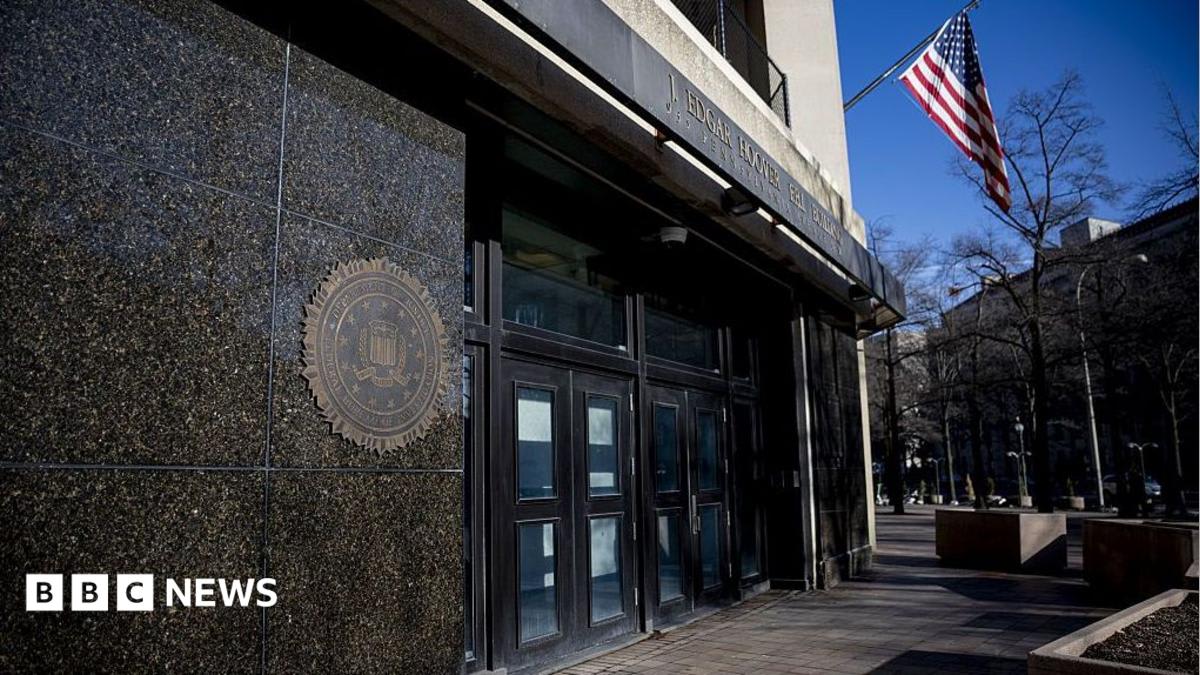
The FBI is investigating a major data breach by a hacking group, likely ShinyHunters, which exposed sensitive medical and personal records of thousands of agents. Experts warn this compromise creates severe risks, including potential blackmail, identity theft, and physical danger to agents and their families.
The FBI Data Breach: A Grave Threat to National Security
The recent breach of FBI systems by a group reportedly linked to the cyber-criminal collective ShinyHunters marks a critical inflection point in the landscape of digital espionage and criminal activity. By gaining unauthorized access to the bureau's internal databases, the perpetrators have not only compromised the agency's digital infrastructure but have fundamentally undermined the safety and security of the men and women tasked with upholding federal law.
The Nature of the Compromised Data
At the heart of this controversy is the theft of highly sensitive "fitness-for-work" medical examinations. Samples reviewed by BBC News reveal that the stolen records contain more than just names and addresses; they include intimate health details such as blood and urine test results, cholesterol levels, and specific medical notes regarding allergies and underlying conditions. This granular level of personal health information creates a unique vulnerability, as it provides malicious actors with leverage for blackmail, social engineering, and targeted harassment.
Implications for Agent Safety
For those within the intelligence community, the breach is viewed as an existential threat. Former FBI agent Michael McPherson, now a security expert at ReliaQuest, emphasizes that this incident cuts to the core of agent safety. The exposure of home addresses linked to specific medical profiles allows criminals to map vulnerable targets, potentially leading to the same types of "swatting" incidents or physical violence—such as petrol bomb attacks—that have been historically associated with groups like ShinyHunters.
The Criminal Methodology
The involvement of sophisticated, English-speaking cyber gangs highlights a growing trend where digital intrusions are no longer confined to financial gain or corporate espionage. These groups are increasingly weaponizing "doxing" to intimidate law enforcement personnel. By leaking this data on darknet sites, the attackers aim to erode trust in the FBI's ability to protect its own internal assets, thereby signaling a broader shift toward aggressive, anti-government cyber tactics.
The Path Forward and Institutional Response
While the FBI has formally acknowledged the breach and initiated an "aggressive" investigation, the agency has remained tight-lipped regarding specific mitigation strategies. The silence from the bureau, while perhaps necessary for the integrity of an ongoing investigation, leaves thousands of agents and their families in a state of uncertainty. As the agency works to determine the scope of the exposure, the broader intelligence community must grapple with the reality that "fitness-for-work" data, once considered mundane administrative records, is now a high-value target in the hands of malicious actors.
Conclusion: A Wake-Up Call for Federal Security
This incident serves as a sobering reminder that even the most secure government institutions are susceptible to the evolving tactics of modern cyber-criminals. Beyond the immediate need for data containment, the FBI faces the long-term challenge of restoring confidence among its ranks. The risk of impersonation and targeted attacks remains high, and the fallout from this breach will likely necessitate a complete overhaul of how sensitive personnel data is stored and protected within the U.S. federal government.
Multiple Citing Sources