Prisons get OK to jam contraband phones. CTIA says nearby phones will be jammed too.
Source Entity
Jon Brodkin
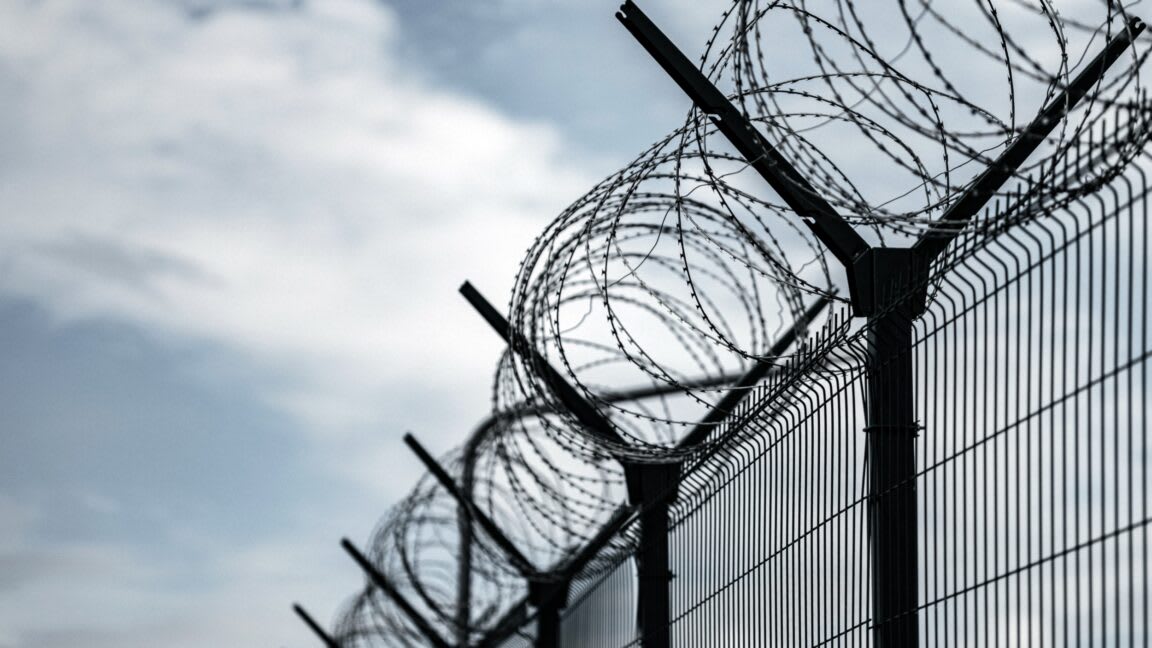
The FCC has authorized state prisons to use cell phone jamming technology to curb contraband. However, industry groups warn that this technology causes dangerous interference, blocking legitimate 911 calls up to two and a half miles away.
The FCC's Controversial Move on Prison Cell Jamming
The Federal Communications Commission (FCC) has officially granted state and local prisons the authority to deploy jamming technology to neutralize contraband cellphones. This policy shift represents a significant escalation in the battle to secure correctional facilities, where illicit mobile devices are increasingly used to coordinate criminal activity from behind bars. By enabling prisons to actively block signals, the FCC aims to mitigate the security risks posed by inmates accessing the outside world without authorization.
The Technological Dilemma: Security vs. Connectivity
While the objective of reducing prison contraband is clear, the implementation of jamming technology introduces severe collateral damage. Unlike targeted blocking methods, jamming is inherently indiscriminate. According to findings from the wireless industry lobby group CTIA, which conducted a pilot test in collaboration with the Virginia Tech Applied Research Corporation and the South Carolina Department of Corrections, the technology is incapable of distinguishing between unauthorized prison devices and legitimate civilian communications.
Documented Risks to Public Safety
The most alarming aspect of this FCC decision involves the potential for life-threatening interference. Test results presented to the FCC in an October 1 filing indicated that even under restricted conditions—involving limited micro-jammers and specific power levels—the systems successfully blocked 911 calls. The CTIA reported that interference extended up to two and a half miles away from the testing site, suggesting that surrounding neighborhoods could effectively lose their ability to contact emergency services.
Industry Pushback and Technical Constraints
The wireless industry remains firmly opposed to the widespread deployment of these devices. The CTIA’s warnings highlight that the current state of jamming technology lacks the precision required to operate in densely populated areas or near public infrastructure. By interfering with spectrum bands used for lawful communication, these jammers threaten the integrity of the broader telecommunications network, which is designed to prioritize emergency connectivity over security measures.
Broader Implications and Future Outlook
This decision marks a contentious intersection between correctional policy and public utility regulation. As prisons move to implement these systems, they face the challenge of balancing internal security needs against federal mandates regarding public safety and spectrum management. The potential for legal challenges is high, as the FCC must now reconcile the desire to stop illicit communications with the proven risk that such measures will inadvertently silence lawful citizens during emergencies. The future of this technology will likely depend on whether manufacturers can develop more granular, localized signal suppression that avoids the broad-spectrum disruption observed in recent testing.