FCC Chairman Brendan Carr’s war on the First Amendment
Source Entity
Kevin Nguyen
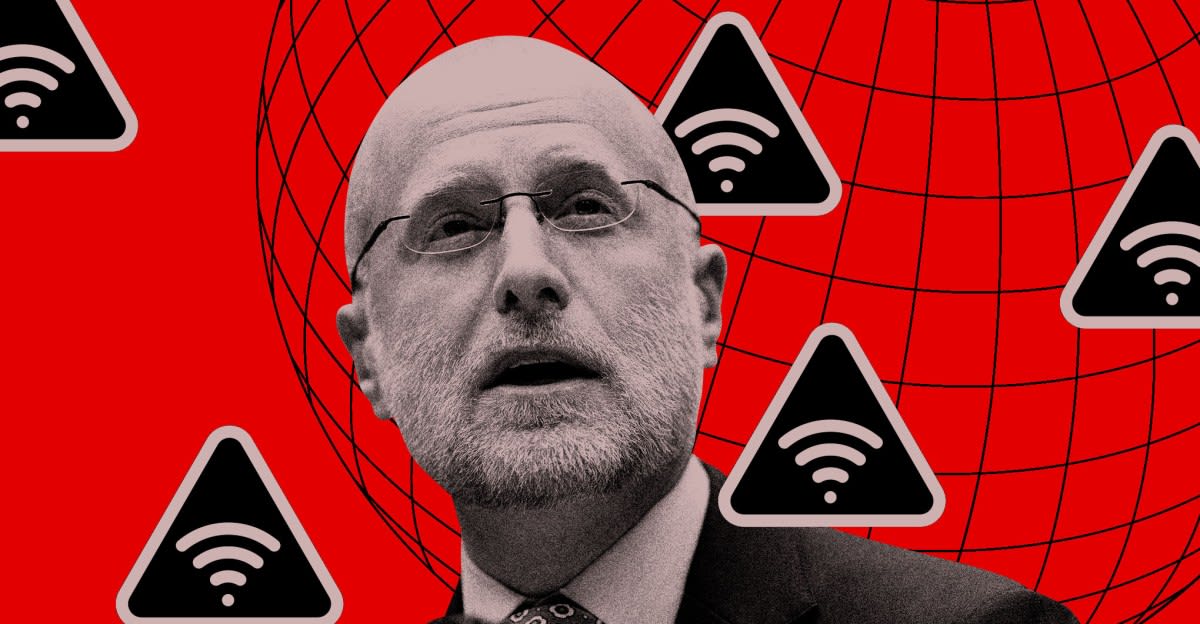
FCC Chairman Brendan Carr faces criticism for allegedly using his regulatory authority to intimidate broadcasters following jokes about President Trump. Critics argue this represents a significant erosion of First Amendment protections within the media landscape.
The Regulatory Tightening of American Broadcasting
Recent developments at the Federal Communications Commission (FCC) have sparked a national debate regarding the limits of regulatory power and the protection of free speech. Under the leadership of Chairman Brendan Carr, the commission has shifted its focus toward monitoring and responding to broadcast content that criticizes or satirizes the presidency. This shift marks a notable departure from traditional FCC oversight, which has historically prioritized technical standards and consumer protection over the editorial content of television networks.
The Intersection of Authority and Expression
Brendan Carr’s tenure as FCC Chairman has placed him at the center of a constitutional firestorm. By leveraging the agency’s broad authority over television, radio, and internet infrastructures, Carr has initiated a confrontational approach toward media outlets that utilize satire. The most prominent example of this intervention involves the network ABC, which faced pressure that resulted in the temporary removal of Jimmy Kimmel from his late-night program. This action serves as a primary case study for how administrative power can be utilized to influence editorial decisions within private media organizations.
Implications for the First Amendment
Critics, including technology journalists and civil liberties advocates, have characterized these actions as a direct assault on the First Amendment. The fundamental concern is that the FCC—a government entity—is effectively chilling speech by creating an environment where broadcasters fear retribution for political humor. When a regulatory body acts as an arbiter of what constitutes acceptable political discourse, it risks setting a precedent that undermines the foundational American principle of a free and independent press.
Historical Precedent and Regulatory Creep
The role of the FCC has long been debated in the context of the 'public interest' standard, but the current escalation suggests a new, more aggressive interpretation of agency oversight. Historically, the FCC has maintained a degree of separation from content regulation to avoid partisan bias. The current strategy pursued by Carr represents a significant departure from this standard, potentially signaling a trend where administrative agencies are increasingly used as tools for political enforcement rather than neutral regulatory administration.
Future Trends in Media Oversight
As the FCC continues to assert its influence over major media conglomerates, the industry is entering an era of heightened self-censorship. If the precedent of intimidating networks for satirical content becomes normalized, the landscape of American late-night comedy and political commentary may undergo a permanent transformation. The outcome of this conflict will likely determine the extent to which executive-appointed officials can dictate the boundaries of public discourse in the digital and broadcast age.
Conclusion: A Constitutional Crossroads
The ongoing actions by Chairman Brendan Carr represent a critical juncture for media freedom in the United States. While the FCC possesses the mandate to regulate the technical aspects of communication, the use of that power to influence the substance of speech is a contentious development. Moving forward, the balance between regulatory accountability and the protection of constitutional rights remains the central challenge for the commission and the broader American media apparatus.