Student protests are the consequence of Modi government’s policies, writes Sonia Gandhi
Source Entity
India Latest News: Top National Headlines Today & Breaking News | The Hindu
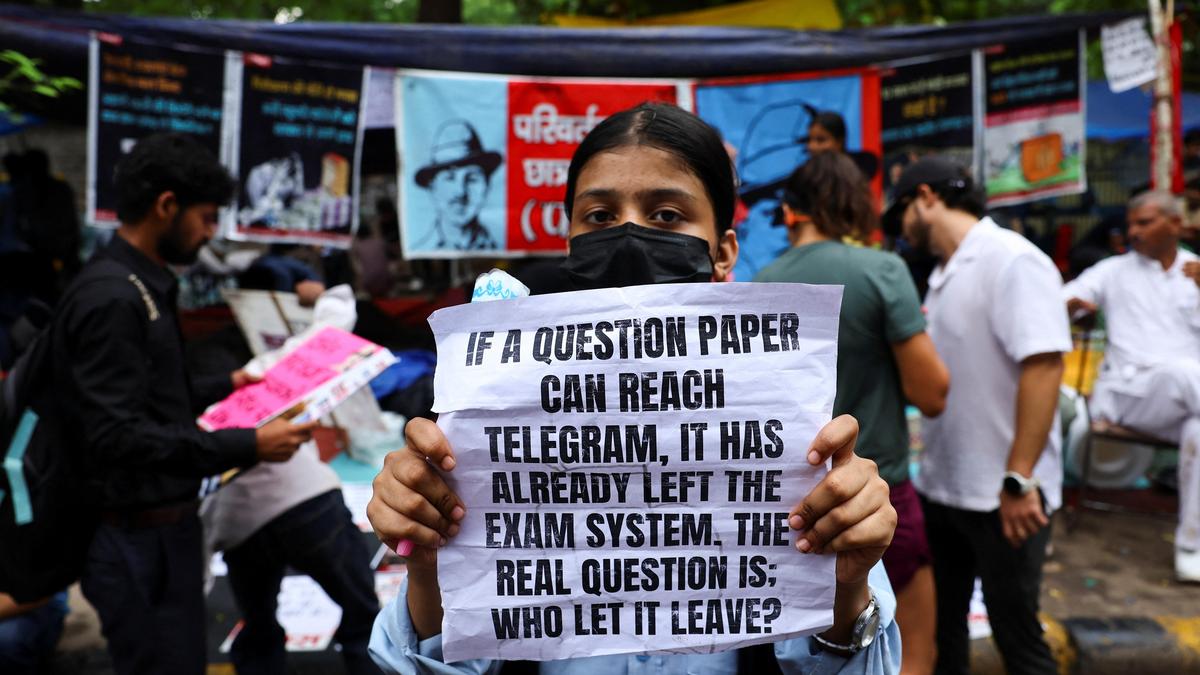
Sonia Gandhi has criticized the Indian government's response to student protests, citing systemic issues like examination paper leaks. The situation escalated on July 20, 2026, when authorities used force against peaceful demonstrators.
The Crisis of Student Protests in India
Recent weeks have witnessed a significant surge in student-led demonstrations across India, reflecting deep-seated frustration with the nation's educational infrastructure. These protests, which have been largely peaceful in nature, are centered on systemic failures, most notably the recurring issue of examination paper leaks. The participants are calling for structural reforms and a higher degree of accountability from the Union Government, positioning their movement as a defense of the future of India's youth.
The Government Response and Allegations of Brutality
The narrative surrounding these protests took a darker turn on July 20, 2026. According to reports, the response from state apparatuses—specifically the Delhi Police and the Central Armed Police Forces (CAPFs)—was characterized by heavy-handed tactics. The use of lathicharges and tear gas against unarmed students has drawn sharp condemnation, with critics arguing that the state is treating young citizens as adversaries rather than stakeholders in the country's development.
Political Commentary from Sonia Gandhi
Sonia Gandhi has emerged as a vocal critic of the government's handling of the unrest. By framing the protests as a direct consequence of the Narendra Modi administration's policies, she has elevated the issue from a local administrative complaint to a national political debate. Her commentary highlights a growing divide between the government’s stated policy goals and the lived experiences of students facing an increasingly unstable examination system.
Implications for Educational Governance
The persistence of paper leaks suggests a fundamental decay in the mechanisms designed to ensure fair competition for academic and professional opportunities. When these systems fail, the resulting lack of meritocratic integrity disenfranchises millions of students. The current unrest is not merely about specific exams; it is a manifestation of a broader demand for transparency and the protection of the right to fair academic assessment.
Historical Context and Future Trends
Historically, student movements in India have often served as catalysts for political and social change. The current escalation, marked by the events of July 20, 2026, indicates that the government's current approach of suppression may be counterproductive. As the discourse shifts toward the government's moral responsibility, the administration faces a critical choice: either engage in meaningful dialogue and reform the examination system or risk further alienation of the demographic that constitutes the nation's future workforce.
Conclusion: A Call for Accountability
Ultimately, the ongoing protests underscore a critical juncture for Indian governance. The demand for accountability is not just a policy request but a fundamental requirement for the restoration of trust between the state and its youth. Without systemic reform to prevent the recurring failure of examination integrity, the cycle of protest and state suppression is likely to continue, further complicating the political landscape.
Verification Required?