Rasonque gets US nod: The pill that nearly doubles pancreatic cancer survival — and is set to $475,000 a year
Source Entity
Latest News: Todays Latest News Headlines from India & World | Hindustan Times | Hindustan Times
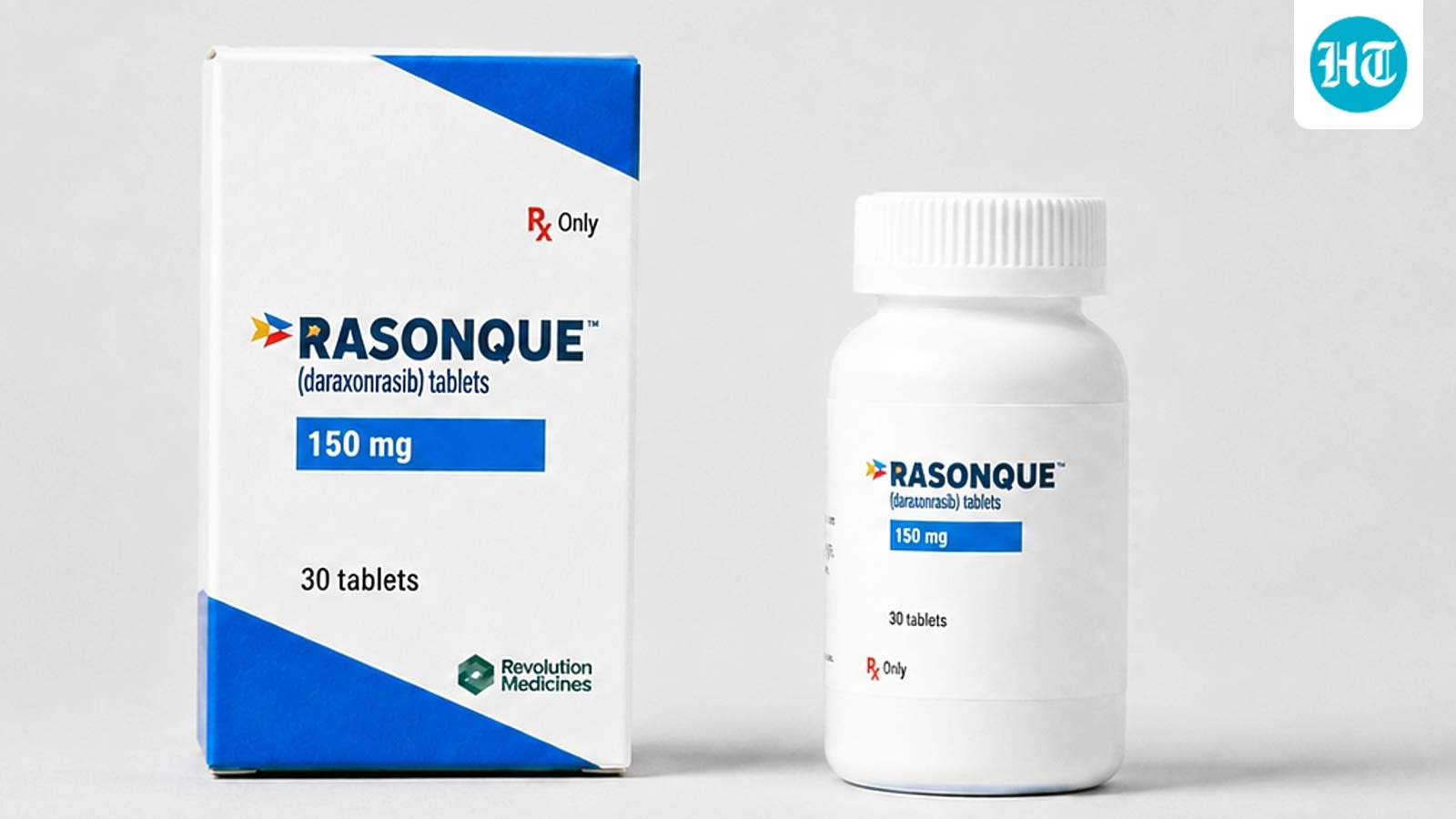
The FDA has approved Rasonque (daraxonrasib), the first oral pill targeting the RAS protein for advanced pancreatic cancer. Clinical trials showed it nearly doubles median survival rates compared to traditional chemotherapy. The drug carries a significant annual cost of $475,000.
A New Horizon in Pancreatic Cancer Treatment
The recent approval of daraxonrasib (marketed as Rasonque) by the US Food and Drug Administration (FDA) marks a watershed moment in oncology. For decades, pancreatic cancer—specifically metastatic pancreatic ductal adenocarcinoma—has remained one of the most challenging malignancies to treat, with median survival rates stagnating for a generation. The introduction of this once-daily oral pill represents the first successful therapeutic attempt to directly suppress the RAS protein, a molecular driver implicated in over 90% of pancreatic cancer cases.
Breaking the RAS Barrier
For years, the RAS protein was considered 'undruggable' by the pharmaceutical industry, despite its central role in tumor proliferation. The success of Rasonque lies in its precision-medicine approach, which targets the mutation at a molecular level rather than relying solely on systemic chemotherapy. By blocking the protein that fuels tumor growth, the drug provides a targeted intervention that has long eluded researchers, effectively changing the paradigm of how we approach advanced-stage pancreatic disease.
Clinical Efficacy and Survival Gains
The clinical data supporting this approval is compelling. In pivotal trials, patients treated with daraxonrasib achieved a median survival of 13.2 months, a stark improvement over the 6.7 months observed with standard chemotherapy regimens. A hazard ratio for death of approximately 0.40 further underscores the drug's impact, indicating a significant reduction in mortality risk. This near-doubling of survival time offers a profound clinical benefit for patients who have exhausted other systemic therapy options.
Economic Implications and Accessibility
Despite the medical breakthrough, the drug's price point has ignited a significant debate regarding healthcare affordability. Revolution Medicines has set the price at approximately $39,800 for a one-month supply, totaling roughly $475,000 annually. This high cost-to-benefit ratio poses challenges for insurance coverage and patient access, particularly in global markets like India, where such specialized therapies may face hurdles regarding affordability and local distribution infrastructure.
Future Trends and Global Outlook
As the medical community integrates Rasonque into standard care protocols, the focus will likely shift to long-term monitoring and combination therapy potential. The FDA's expedited approval signifies an urgent recognition of the disease's severity, setting a precedent for future drug development in 'high-unmet-need' cancers. Moving forward, the industry will monitor whether this success can be replicated for other RAS-driven cancers, potentially ushering in a new era of molecularly targeted cancer therapy.
Multiple Citing Sources
Verification Required?