The FDA made a big reversal in its cyclosporiasis probe, but it still thinks iceberg lettuce is to blame
Source Entity
US Top News and Analysis
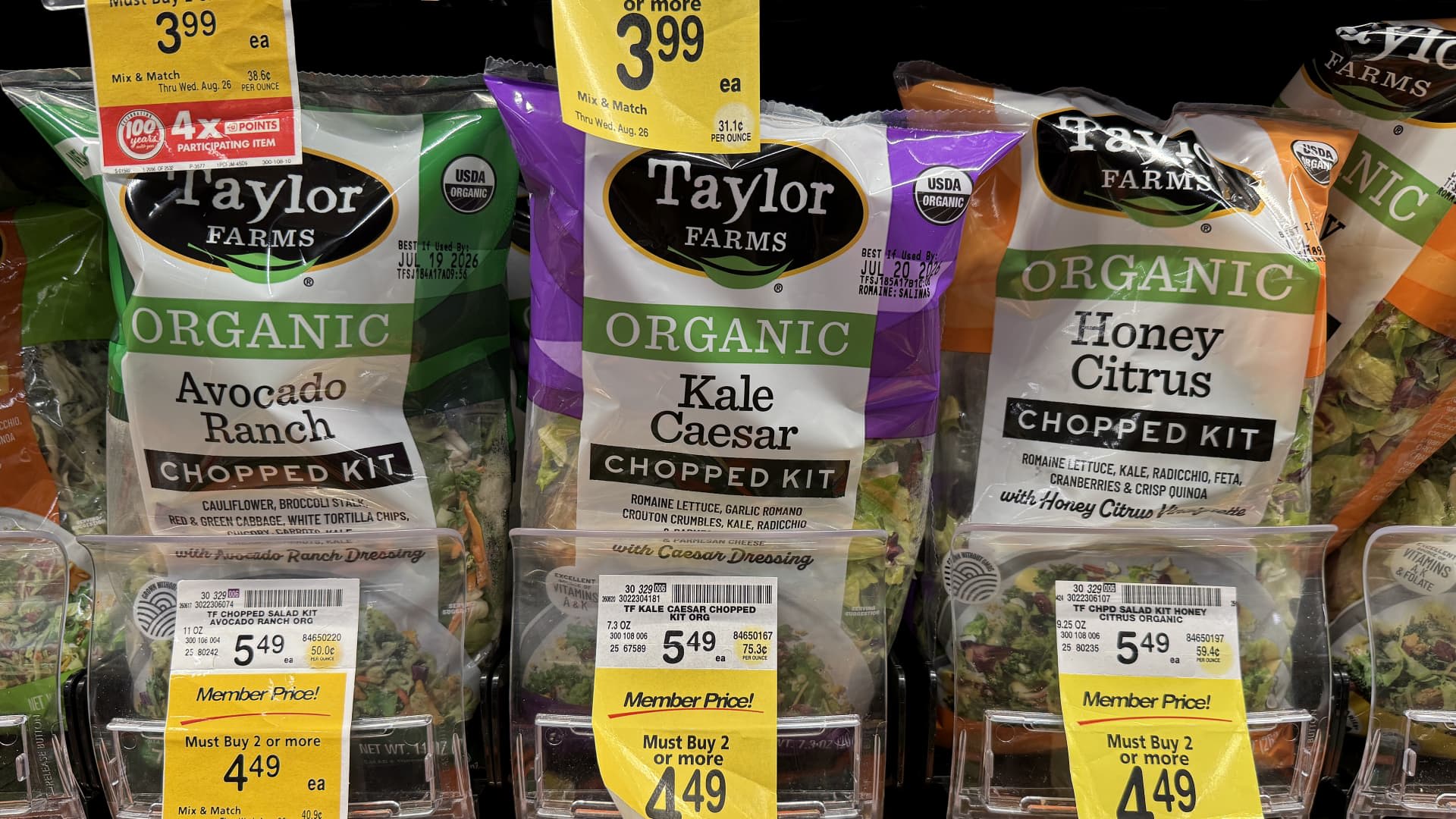
The FDA has retracted a false-positive test result regarding Taylor Farms' iceberg lettuce while maintaining its investigation into the parasite cyclospora. Despite this error, officials continue to link the large-scale cyclosporiasis outbreak to shredded iceberg lettuce from central Mexico.
The FDA’s Cyclospora Investigation: A Case of Scientific Uncertainty
The recent announcement by the U.S. Food and Drug Administration (FDA) regarding its investigation into a widespread cyclosporiasis outbreak has highlighted the inherent difficulties in tracking foodborne pathogens. The agency recently issued a clarification following a false-positive test result that initially implicated a specific shipment of iceberg lettuce from Taylor Farms de Mexico. This error has not only caused significant confusion among stakeholders but has also brought the technical limitations of current diagnostic protocols for Cyclospora cayetanensis into the national spotlight.
Challenges in Detecting Cyclospora
Detecting Cyclospora is notoriously difficult, a fact that complicates public health responses during large-scale outbreaks. Unlike many common foodborne bacteria that can be easily cultured, this parasite requires complex molecular testing methods that are prone to laboratory inconsistencies. The FDA's admission that a previous test indicating the presence of the parasite in Taylor Farms' lettuce was a false positive underscores the high stakes involved when agencies must balance the need for rapid public warnings with the requirement for clinical certainty.
Maintaining the Core Conclusion
Despite the retraction of that specific test result, the FDA has been firm in its broader stance. The agency maintains that the ongoing outbreak, which has affected over 1,600 individuals and likely many more, remains linked to shredded iceberg lettuce sourced from central Mexico and processed by Taylor Farms. This distinction is critical: while one specific data point was deemed inaccurate, the epidemiological evidence linking the consumption of the company's product to the cluster of illnesses remains the primary focus of the investigation.
Broader Implications for Food Safety
This incident serves as a stark reminder of the fragile nature of food supply chains. When the FDA identifies a potential source of contamination, the economic and operational impact on suppliers like Taylor Farms is immediate and severe. The reversal of a findings-based accusation places the agency in a difficult position, as it must maintain public trust while simultaneously acknowledging the fallibility of its testing procedures. For consumers, the confusion highlights the importance of rigorous, transparent communication from regulatory bodies during health crises.
Future Trends and Regulatory Oversight
Looking forward, this event is likely to prompt a review of how the CDC and FDA coordinate their findings. As diagnostic technologies evolve, the industry will likely see a push for more rapid, confirmatory testing to avoid the negative consequences of false alerts. The incident reinforces the need for a more robust surveillance infrastructure that can handle the complexities of identifying parasitic outbreaks before they reach such a massive scale.
Conclusion
Ultimately, the FDA’s investigation remains an evolving narrative. While the false-positive error was a significant stumbling block, the agency’s commitment to its primary conclusion suggests that the link between central Mexican lettuce and the cyclosporiasis outbreak is supported by deeper epidemiological data. Moving forward, the focus will likely remain on refining testing accuracy and ensuring that the public remains informed without being subjected to the volatility of conflicting technical reports.
Multiple Citing Sources