Detecting cyclospora is ‘notoriously difficult.’ Here’s what the FDA’s apology to Taylor Farms means.
Source Entity
Jaimy Lee
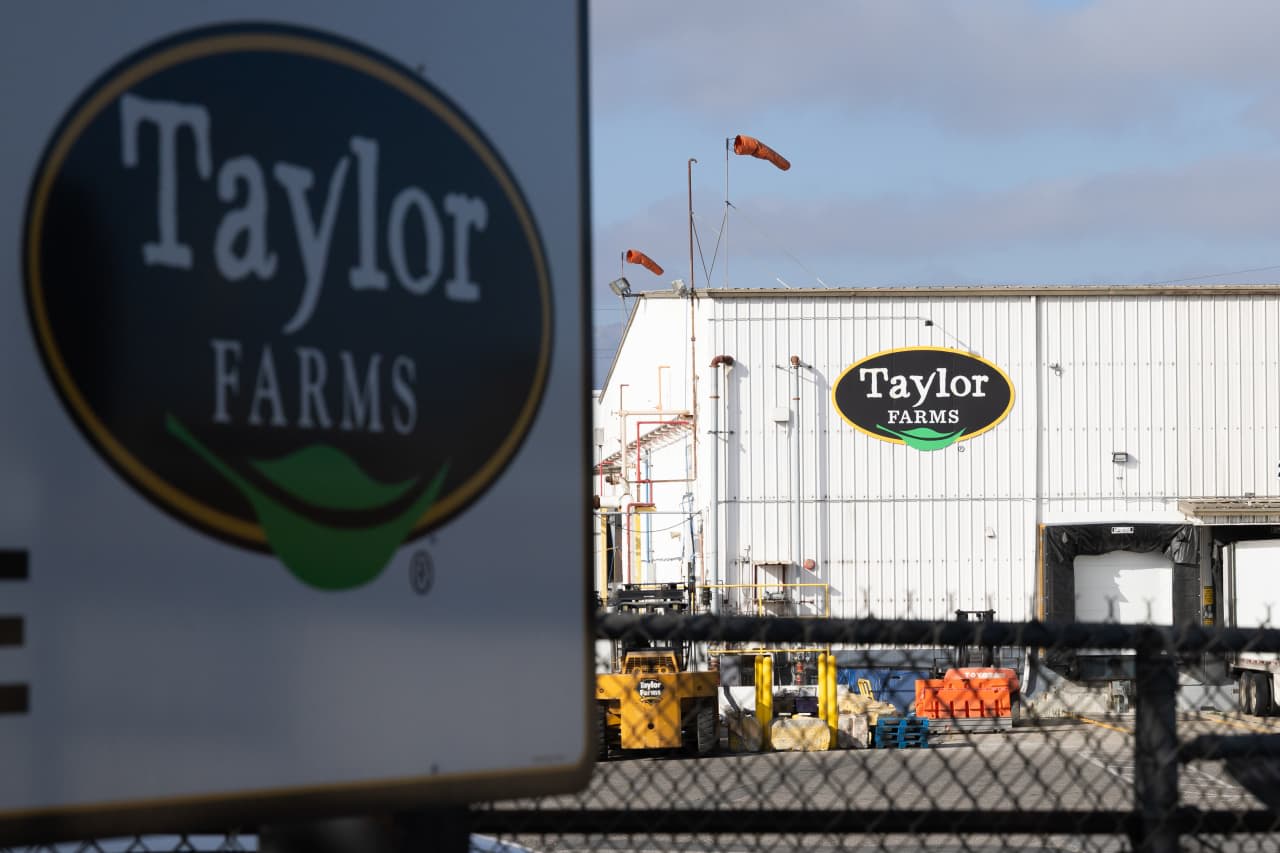
The FDA has retracted a false positive test result regarding Taylor Farms' iceberg lettuce in its ongoing cyclosporiasis investigation. Despite this error, federal agencies maintain that shredded iceberg lettuce from central Mexico remains the primary source of the outbreak.
The Complexity of Cyclospora Outbreak Investigations
The recent public correction issued by the Food and Drug Administration (FDA) regarding Taylor Farms highlights the inherent difficulties in tracing foodborne illnesses. Cyclospora, a microscopic parasite that causes the intestinal infection cyclosporiasis, is notoriously difficult to detect in food samples. The FDA’s admission that a specific test sample from Taylor Farms de Mexico was a false positive underscores the technical challenges agencies face when attempting to pinpoint the exact origin of a pathogen that does not leave a clear trail.
Understanding the FDA’s Reversal
The confusion stems from a Sunday announcement where the FDA identified a positive test for the parasite in a shipment of iceberg lettuce, only to retract that finding as a false positive by Monday. This reversal is significant because it impacts the reputation of major suppliers and complicates the logistical efforts of retailers who rely on clear guidance during a public health crisis. However, the agency has been careful to distinguish this specific lab error from their broader epidemiological findings.
Maintaining the Broader Investigation
Despite the error regarding the single shipment, the FDA and the Centers for Disease Control and Prevention (CDC) have reaffirmed their core conclusion: the outbreak, which has affected over 1,600 individuals, is still linked to shredded iceberg lettuce originating from central Mexico and supplied by Taylor Farms. The agency maintains that the epidemiological evidence—such as patient interviews and distribution patterns—remains robust enough to support their original assessment, even if laboratory confirmation for specific samples remains fraught with difficulty.
The Impact on Consumer Confidence
Public health alerts often create a ripple effect, causing widespread anxiety among consumers and financial strain for agricultural producers. When an agency like the FDA issues a correction, it can lead to public skepticism regarding the reliability of food safety monitoring. For Taylor Farms, the ordeal represents the high-stakes reality of modern food supply chains, where a single association with a pathogen outbreak can have immediate and severe market consequences.
Future Trends in Food Safety Monitoring
This incident serves as a reminder of the need for improved rapid-testing technologies. Current methods for detecting cyclospora are time-consuming and prone to the type of errors that led to this recent confusion. Moving forward, the industry will likely see increased investment in molecular diagnostic tools and supply chain transparency initiatives to ensure that when an outbreak occurs, the identification process is both swift and accurate, minimizing the likelihood of public misinformation.
Conclusion
Ultimately, while the FDA’s retraction of the positive test result is a setback in terms of procedural accuracy, it does not exonerate the product line identified as the source of the outbreak. The investigation serves as a critical case study in the necessity of balancing urgent public health warnings with the scientific rigor required to prevent false positives, ensuring that both consumer health and supply chain integrity are protected.
Verification Required?