PCMC extends SIR drive; BLO house visits until August 8
Source Entity
The Indian Express
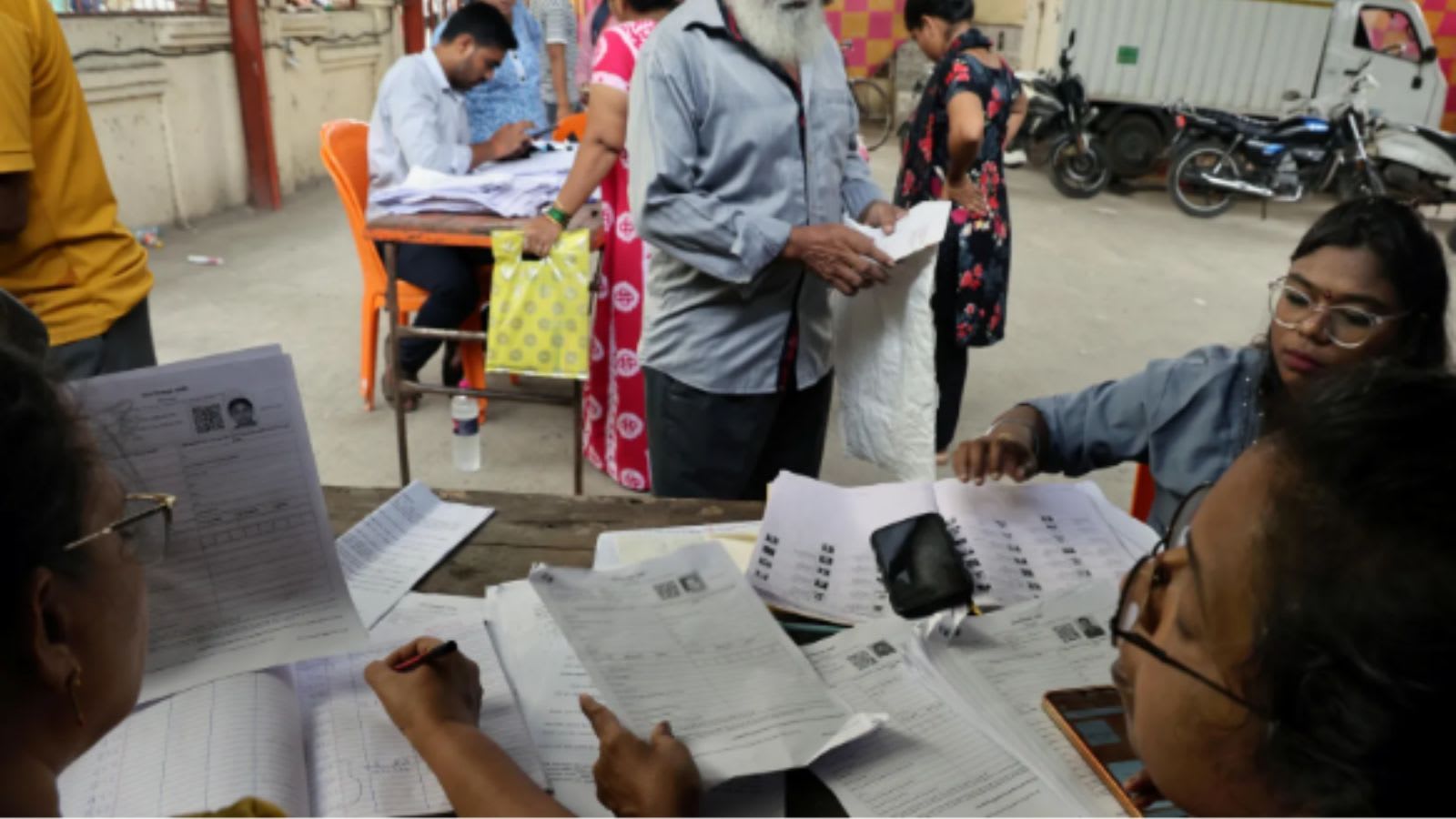
The Pimpri Chinchwad Municipal Corporation (PCMC) has extended its Special Intensive Revision (SIR) deadline for electoral rolls to August 8, 2026. This extension, prompted by heavy rainfall, allows Booth Level Officers more time to conduct house visits and restructure polling stations.
PCMC Extends Electoral Roll Revision Amidst Weather Challenges
The Pimpri Chinchwad Municipal Corporation (PCMC) has officially extended its Special Intensive Revision (SIR) programme for electoral rolls, setting a new deadline of August 8, 2026. This administrative adjustment follows a directive from the Election Commission of India, which revised the statewide schedule to accommodate the logistical hurdles posed by severe weather conditions in Maharashtra.
Impact of Environmental Factors on Civic Processes
The primary catalyst for this extension is the recent heavy rainfall that has impacted the region. By accepting a request from the Chief Electoral Officer of Maharashtra, the Election Commission acknowledged that the adverse weather conditions hindered the efficiency of field operations. Civic officials noted that the safety and accessibility of Booth Level Officers (BLOs) were paramount, necessitating a more flexible timeline to ensure the integrity of the electoral data collection process.
The Role of Booth Level Officers (BLOs)
Central to the SIR drive is the role of Booth Level Officers, who are tasked with conducting house-to-house visits to collect enumeration forms. This grassroots-level interaction is critical for maintaining accurate voter rolls, as it allows for the verification of residency and the identification of new voters or those who have relocated. With the extension, BLOs now have until August 8 to complete these rigorous field assessments, ensuring that no eligible citizen is omitted from the electoral process.
Rationalization of Polling Stations
Beyond simple data collection, the initiative includes a technical restructuring and rationalization of polling stations. This process is essential for optimizing voter accessibility, ensuring that stations are strategically located to handle population density changes and logistical requirements. Completing this by August 8 is vital for the Election Commission to maintain a streamlined framework for future electoral events, ensuring that the infrastructure is prepared for upcoming democratic exercises.
Broader Implications for Electoral Integrity
The synchronization of the PCMC’s efforts with the broader state-level mandate highlights the importance of administrative flexibility in maintaining electoral rolls. By extending the deadline rather than rushing the process, the authorities prioritize accuracy over expediency. This systematic approach helps in curbing errors in the electoral register, which is the bedrock of a healthy democracy. As the state navigates the remainder of the monsoon season, this decision stands as a testament to the responsiveness of local civic bodies to environmental constraints while upholding their administrative duties.