'E20 petrol may cut mileage by up to 5%, but no damage to engines': Govt tells Parliament
Source Entity
TOI NEWS DESK
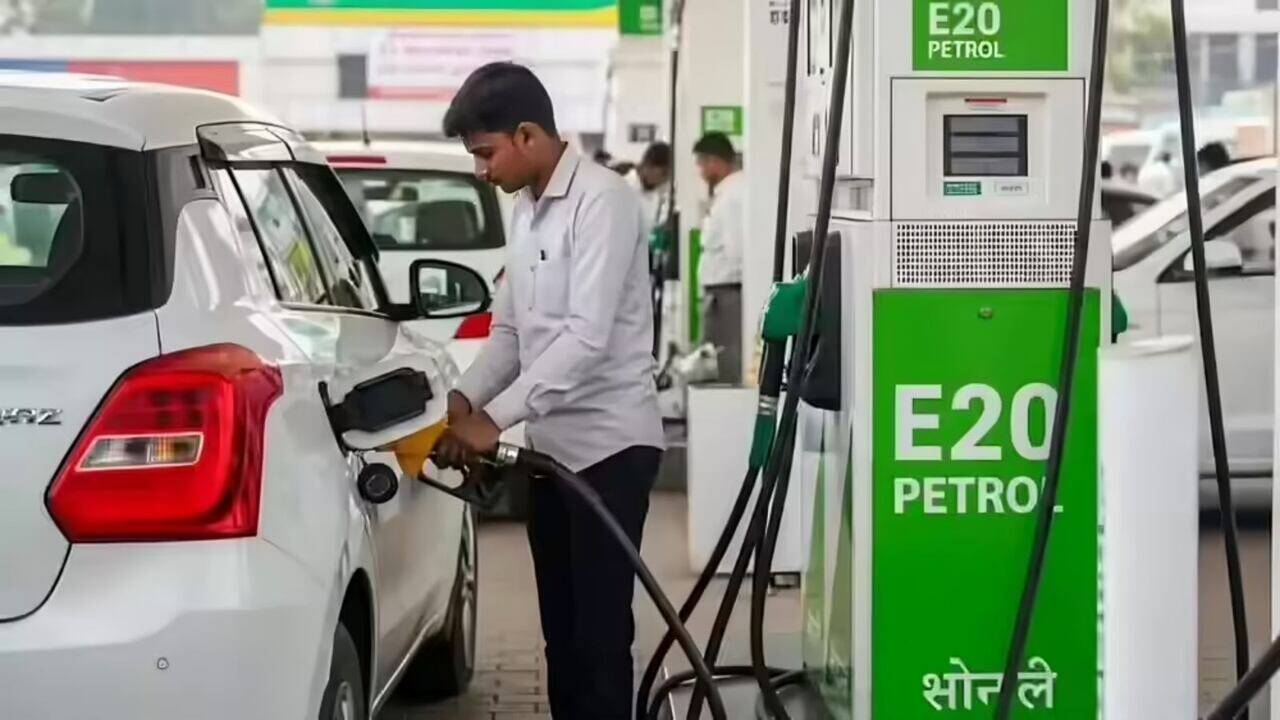
The Indian government has clarified in Parliament that E20 petrol may cause a minor 3-5% reduction in fuel efficiency for older vehicles. Officials emphasized that this shift does not cause engine damage and that overall mileage is heavily dependent on maintenance and driving habits.
Understanding the Shift to E20 Fuel in India
Government Clarification on Ethanol Blending
In a recent session of the Rajya Sabha, Minister of State for Petroleum and Natural Gas Suresh Gopi provided critical insights into the performance of E20 petrol—fuel containing 20% ethanol—within the Indian automotive landscape. The government addressed public concerns regarding vehicle compatibility and potential long-term damage, explicitly stating that while some older vehicles designed for E10 fuel may experience a minor dip in mileage, there is no evidence of widespread engine failure or structural degradation attributed to the blend.
The Mechanics of Fuel Efficiency
According to the Ministry’s written reply, the observed drop in fuel economy, which is estimated to be between 3 and 5 per cent for certain older models, is not solely a product of the fuel chemistry. The government underscored that fuel efficiency remains a complex metric governed by various external and mechanical variables. Factors such as consistent vehicle maintenance, proper tyre pressure, precise wheel alignment, and the frequency of air conditioning use play a significant role in determining how a vehicle performs on the road, often outweighing the minor chemical differences between E10 and E20 blends.
Addressing Public Concerns and Myths
For many vehicle owners, the transition to higher ethanol blends has sparked anxiety regarding engine longevity. The government’s formal statement serves as an important reassurance, effectively debunking the narrative that E20 fuel is inherently harmful to internal combustion engines. By clarifying that the impact is largely limited to a marginal reduction in mileage for specific legacy models, the administration aims to stabilize consumer confidence as India continues its push toward greener energy alternatives.
Broader Implications for India’s Energy Strategy
This parliamentary disclosure is part of a larger, strategic shift in India’s energy policy. By increasing the ethanol blend in petrol, the nation seeks to reduce its dependence on imported crude oil, foster agricultural growth, and lower carbon emissions. While the 3-5 per cent efficiency trade-off is a technical reality for some, it is viewed by policymakers as a manageable consequence of a broader transition toward a more sustainable and self-reliant energy economy.
Future Trends and Consumer Outlook
As India moves forward with its ethanol-blending program, the automotive industry is likely to continue adapting to these fuel standards. Future vehicle designs will inherently account for higher ethanol concentrations, likely mitigating the efficiency losses observed in older legacy vehicles. For current owners, the government’s advice remains clear: maintaining vehicle health through regular servicing and monitoring driving habits is the most effective way to preserve fuel economy, regardless of the ethanol blend being used.