Property taxes are poised for major midterm elections ballot battles across many U.S. states
Source Entity
US Top News and Analysis
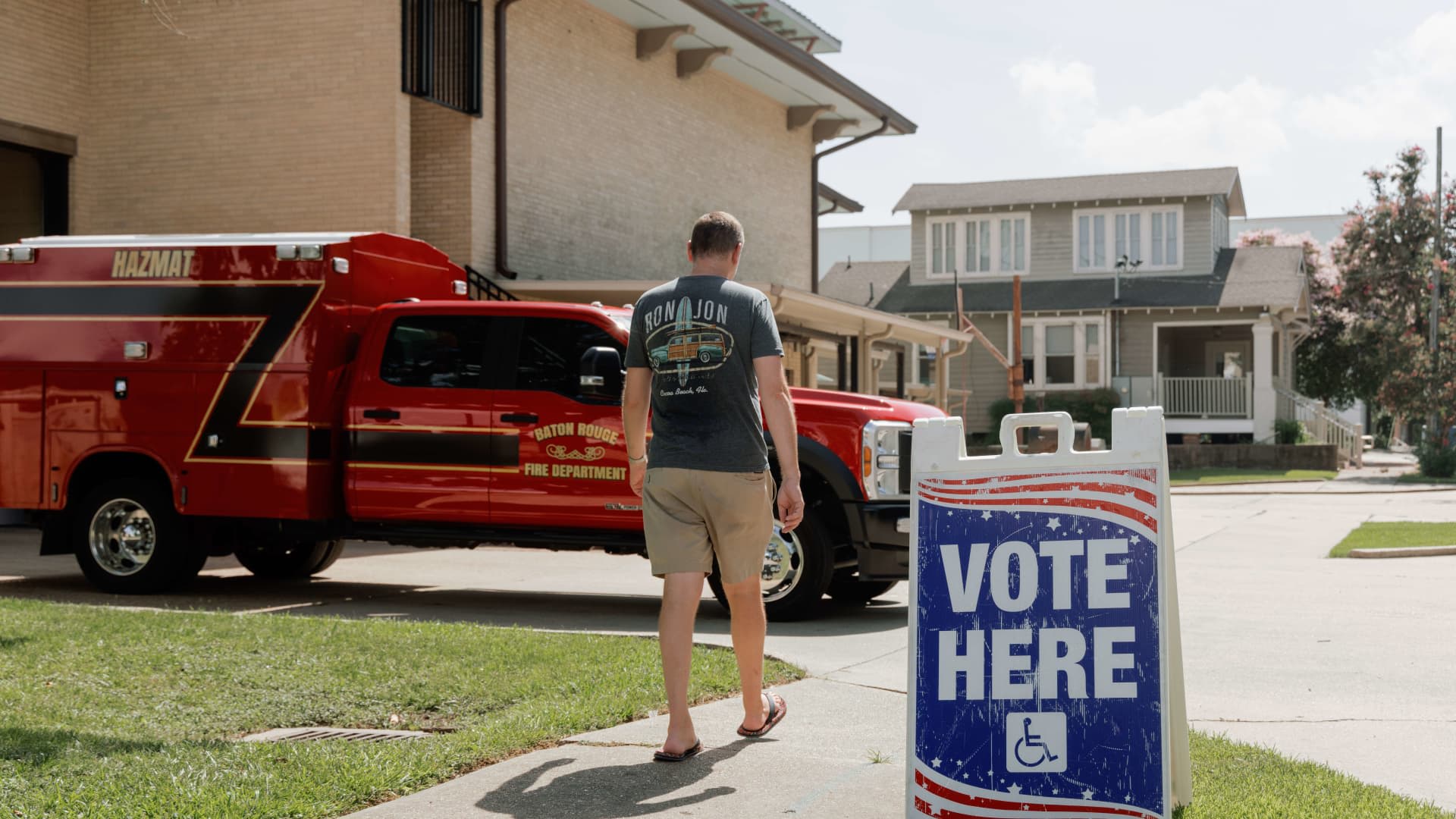
Voters in 13 U.S. states will decide on 26 tax-related ballot measures during the upcoming midterm elections. These initiatives reflect a growing national debate over government spending and the distribution of tax burdens across different income levels.
The Resurgence of Direct Democracy in U.S. Tax Policy
As the midterm elections approach, the American political landscape is witnessing a significant shift toward direct fiscal governance. With 26 ballot measures concerning taxation appearing across 13 states, voters are being granted a rare, direct mechanism to influence the economic trajectory of their jurisdictions. This surge in ballot initiatives serves as a critical barometer for the national sentiment regarding government spending and the sustainability of existing tax structures.
The Economic Drivers of Ballot Initiatives
The prevalence of these measures is largely driven by a combination of ballooning government expenditures and the escalating tax burden placed on average citizens. For the 128 million eligible voters, these elections represent more than just a choice between candidates; they are a referendum on fiscal responsibility. Working-class and middle-class households, which have seen their purchasing power challenged by inflation and rising costs, are increasingly looking to the ballot box to demand relief or to redefine how their tax dollars are allocated.
High-Stakes Battles and the Wealth Tax Debate
While the scope of these initiatives is broad, individual measures have drawn outsized attention. California’s Proposition 40, which proposes a one-time 5% wealth tax on the state's billionaire residents, stands as a polarizing example of the current debate. This initiative highlights a fundamental struggle in modern American politics: the tension between addressing income inequality through progressive taxation and maintaining a business-friendly environment that prevents capital flight.
Contextualizing Fiscal Policy Through the Ballot Box
Historically, tax policy has been the domain of state legislatures and executive branch officials. However, the current trend indicates a growing distrust in traditional legislative processes, prompting citizens to take matters into their own hands. By utilizing ballot initiatives, voters are bypassing standard political gridlock to force specific fiscal policies onto the agenda, signaling a shift toward more localized and immediate control over state revenue streams.
Future Implications for State Governance
The outcomes of these 26 measures will likely set a precedent for future election cycles. If these initiatives succeed in curbing spending or redistributing tax burdens, we can expect a wave of similar proposals in subsequent years. Conversely, if voters reject significant changes, it may signal a public preference for maintaining the status quo, even amidst calls for reform. Regardless of the outcome, the sheer volume of these initiatives confirms that tax policy has become a central battleground for the American electorate.
Summary of the Fiscal Referendum
In conclusion, the upcoming midterm elections offer a unique look into the financial priorities of the American public. By placing tax policy directly into the hands of voters, these 13 states are testing the limits of fiscal reform through direct democracy. The results of these votes will not only reshape state economies but also provide a clear indication of how the public wishes to balance government services with individual financial responsibility.