Netanyahu Won't Be Arrested In Any Shape Or Form: Trump After Mamdani Threat
Source Entity
NDTV News Search Records Found 1000
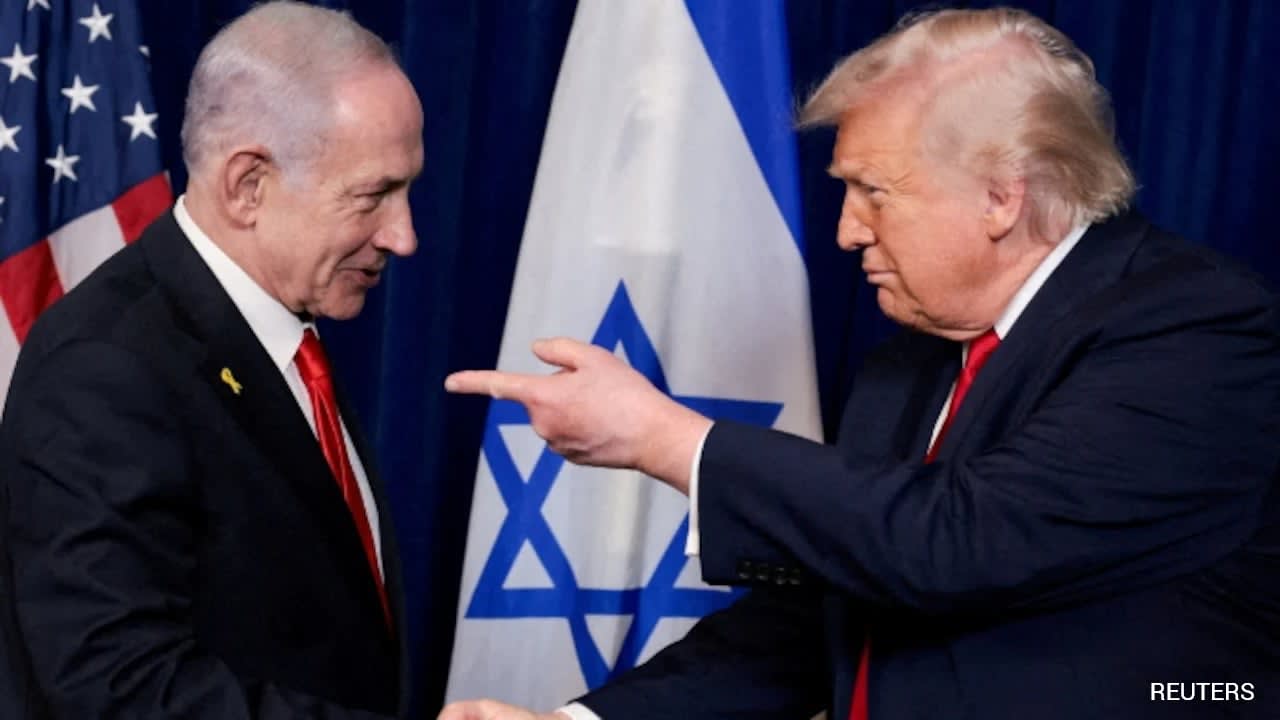
President Trump has declared that Israeli PM Benjamin Netanyahu will not be arrested during his US visit, directly countering NYC Mayor Zohran Mamdani's legal deliberations. Mamdani previously stated the city's legal department was reviewing options regarding an ICC warrant against Netanyahu.
The Diplomatic and Legal Collision Over Netanyahu's US Visit
The recent discourse surrounding the potential arrest of Israeli Prime Minister Benjamin Netanyahu during his upcoming visit to the United Nations General Assembly in New York has ignited a sharp conflict between federal executive authority and local municipal governance. At the heart of this tension is an arrest warrant issued by the International Criminal Court (ICC) regarding the ongoing conflict in Gaza, which has prompted New York City Mayor Zohran Mamdani to initiate a review of the city's legal capacity to execute such a warrant.
The Legal Stance of Mayor Zohran Mamdani
Mayor Mamdani has publicly stated that he believes Prime Minister Netanyahu belongs in The Hague, labeling him a "war criminal" based on the actions taken during the Gaza conflict. Mamdani revealed that he has tasked the New York City legal department with investigating what local law allows regarding the potential detention of a sitting head of state. This move represents an extraordinary intersection of local administrative policy and international criminal law, signaling a shift in how municipal leaders are attempting to engage with global geopolitical crises.
Federal Intervention and Executive Authority
In response to these developments, President Donald Trump issued a definitive statement via Truth Social, declaring that Benjamin Netanyahu "will not be arrested, in any way, shape, or form, while in the United States of America." By asserting federal dominance over this issue, the President has effectively neutralized the local legal inquiry initiated by the Mayor’s office. Trump underscored this position by highlighting the strategic importance of the US-Israel relationship, specifically citing Netanyahu's role in counteracting Iranian influence.
Sovereign Immunity and International Law
Under long-standing principles of international law and the United States' own legal frameworks, visiting heads of state typically enjoy diplomatic immunity. The conflict between the ICC's warrant and the US federal government’s protective stance highlights the historical friction between the United States and the International Criminal Court. While the ICC seeks to enforce global accountability for actions in Gaza, the US executive branch maintains that its domestic obligations to host foreign leaders at the UN supersede the enforcement of international warrants issued by a body of which the US is not a member.
Broader Implications for Foreign Policy
This confrontation underscores a growing trend where local political leaders are increasingly vocalizing their opposition to federal foreign policy, particularly concerning the Middle East. Mayor Mamdani’s actions reflect a segment of public sentiment that demands greater accountability for foreign leaders. However, the President’s swift rebuttal demonstrates that the federal government remains the sole arbiter of foreign affairs, ensuring that international diplomatic protocol remains insulated from local municipal legal actions.
Conclusion: The Future of Diplomatic Protocol
As the UN General Assembly approaches, the situation highlights the fragility of diplomatic norms in an era of intense political polarization. While the legal debate regarding the ICC warrant will likely continue in international circles, the domestic reality is clear: the federal government will utilize its authority to protect visiting dignitaries, effectively preempting any attempts by local jurisdictions to interfere with international diplomacy. This event serves as a definitive case study in the limits of local power when confronted with the realities of national security and international relations.
Multiple Citing Sources
Verification Required?