Stone pelted on India’s first hydrogen train? Indian Railways responds to viral video
Source Entity
Anish Mondal
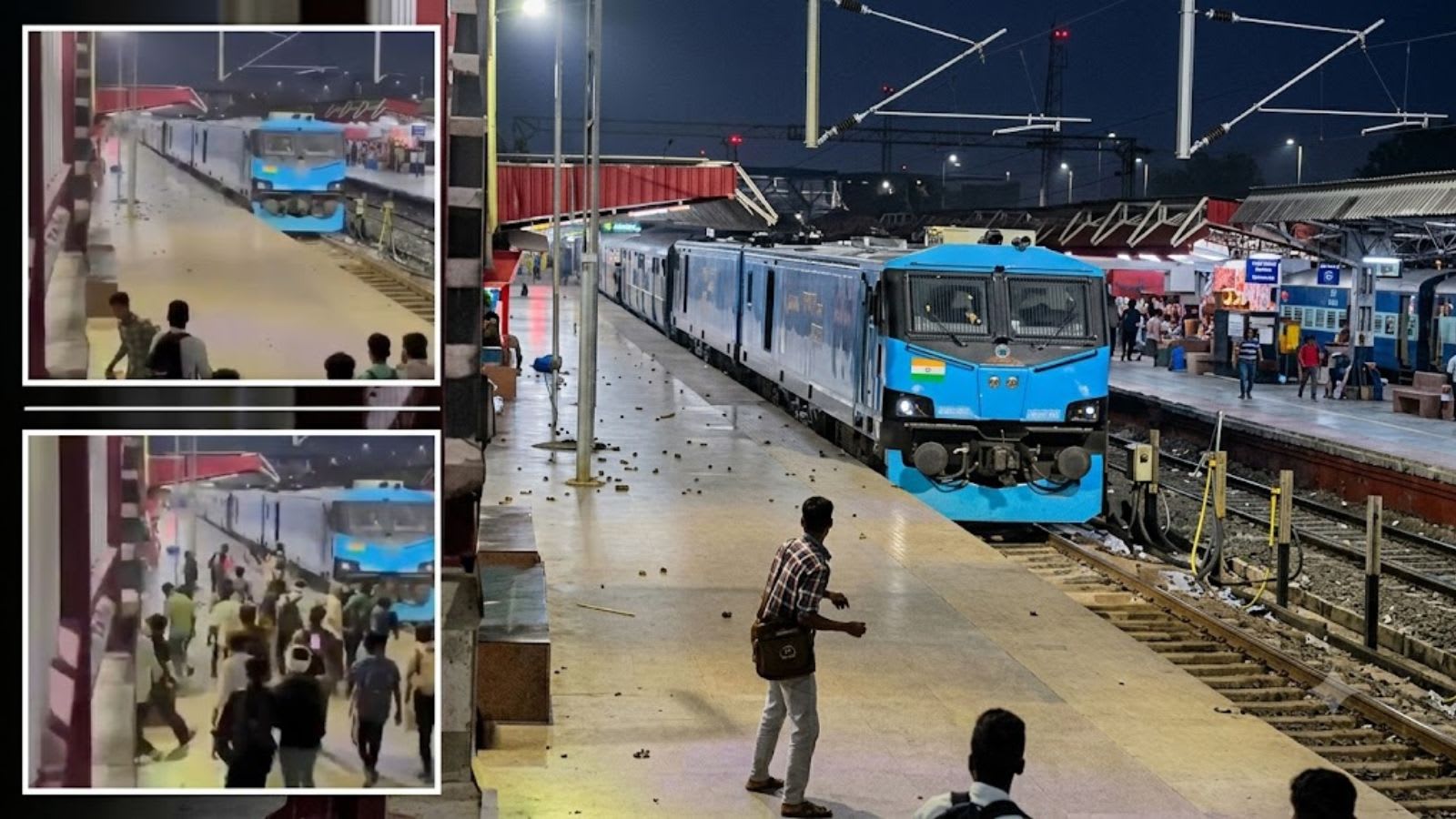
Indian Railways has refuted viral social media claims that India's first hydrogen train was targeted by stone-pelters. Officials clarified that the footage depicts a WAG-12 locomotive and confirmed the hydrogen train remains operational on its scheduled route between Jind and Sonipat.
Clarifying the Viral Misinformation Surrounding India's Hydrogen Train
Recent social media discourse has been clouded by a viral video alleging that India’s newly inaugurated hydrogen-powered train was subjected to a stone-pelting incident. This report, which gained significant traction online, prompted an immediate and firm response from the Indian Railways. The Northern Railway division has officially clarified that the footage circulating is not a contemporary event involving the hydrogen train, but rather an older video featuring a different type of locomotive entirely.
Analyzing the Technical Discrepancy
According to the official statement released by the Northern Railway, the train depicted in the viral footage is a WAG-12 locomotive, not the hydrogen-powered train flagged off by Prime Minister Narendra Modi on July 17. The distinction is critical; while the WAG-12 is a high-horsepower electric freight locomotive, the hydrogen train represents a paradigm shift in passenger transit, operating on the 89-km Jind-Sonipat section in Haryana. By identifying the locomotive correctly, authorities have effectively debunked the claim that the nation's green energy rail project was the target of vandalism.
The Significance of the Hydrogen Initiative
India’s hydrogen train initiative is a cornerstone of the nation’s commitment to sustainable development and the 'Green India' mission. By introducing hydrogen fuel cell technology to the rail network, the government aims to reduce carbon emissions and modernize the aging rail infrastructure. The Jind-Sonipat route serves as a crucial pilot project to test the feasibility of hydrogen propulsion under real-world operating conditions, making the integrity and security of this service a matter of national importance.
The Impact of Misinformation on Public Infrastructure
This incident highlights the growing challenge of misinformation in the digital age, where unverified videos can quickly undermine public confidence in major infrastructure projects. Stone pelting on trains, while a historical challenge for Indian Railways, carries severe implications for passenger safety and project reputation. By swiftly addressing these claims, the Indian Railways has acted to protect the reputation of the hydrogen project, ensuring that the public understands the train is running strictly according to its scheduled timetable.
Future Trends and Security Measures
As India continues to push forward with green energy transitions in transport, the scrutiny on these projects will only intensify. The government remains focused on integrating advanced surveillance and public awareness campaigns to protect rail assets. The clarification provided by Northern Railway serves as a proactive measure to maintain faith in the technological evolution of the Indian rail network, proving that transparency is essential when navigating the intersection of infrastructure development and social media influence.
Conclusion
Ultimately, the viral claim of an attack on the hydrogen train has been thoroughly debunked by official state data. The hydrogen train continues its operations between Jind and Sonipat without incident, marking a success for India’s sustainable transport goals. Moving forward, the public is encouraged to rely on official statements from the Ministry of Railways to distinguish between genuine reports and manipulated digital content.