FDA suspends Blinkit Malad store’s food licence over cockroaches, hygiene lapses
Source Entity
The Indian Express
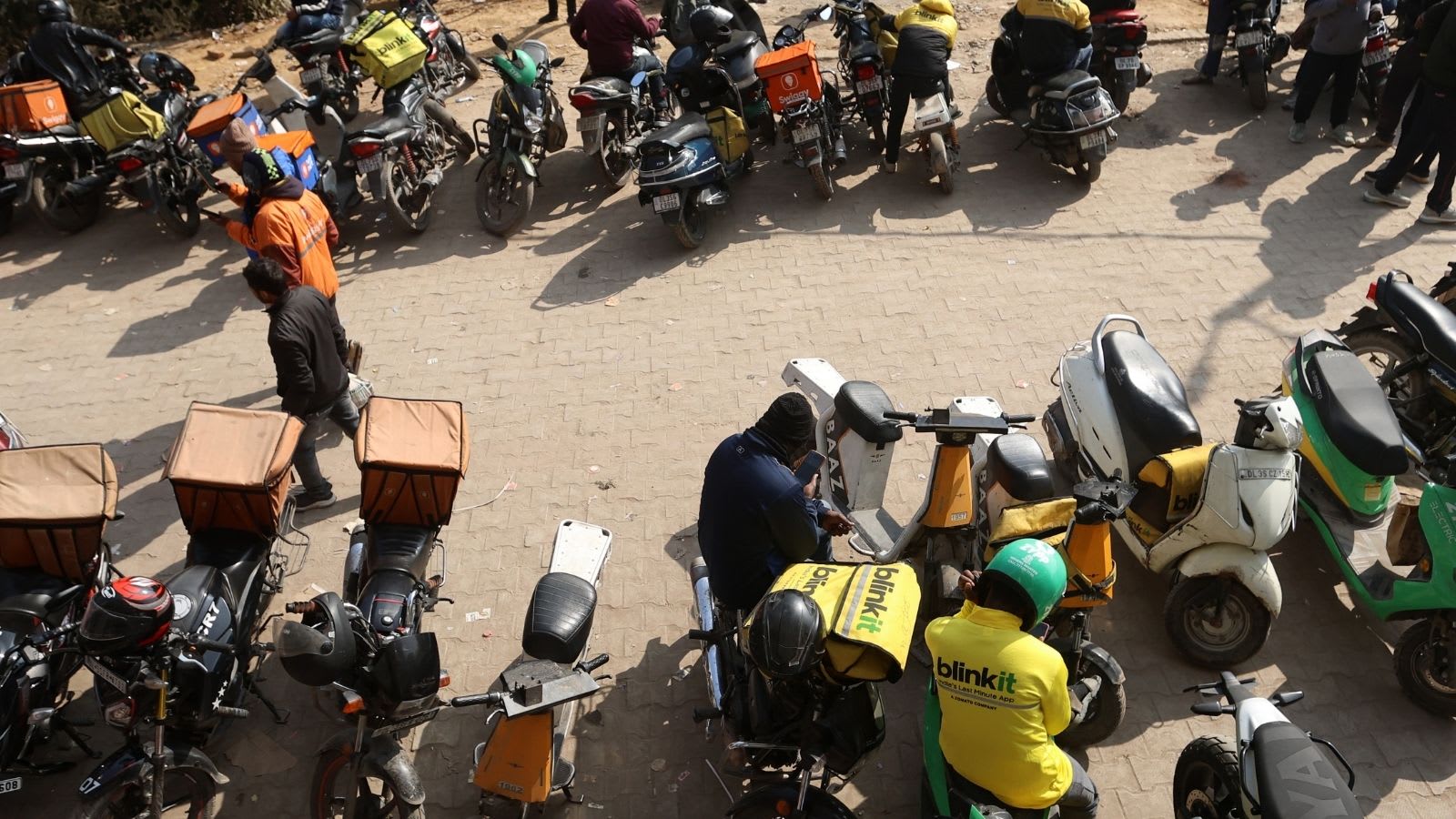
The Maharashtra FDA has suspended the food license of a Blinkit dark store in Malad West following an inspection that revealed severe hygiene violations, including cockroach infestations and expired stock. This regulatory action highlights the growing scrutiny over safety standards in the burgeoning quick-commerce sector.
Regulatory Crackdown on Quick-Commerce Hygiene
The recent suspension of the food license for a Blinkit dark store in Malad West, Mumbai, by the Maharashtra Food and Drug Administration (FDA) marks a significant moment for the quick-commerce industry in India. Following an inspection on August 7 at the facility on Ramchandra Lane, officials characterized the environment as "extremely unclean," citing heavy cockroach infestations and the presence of expired food stock. This enforcement action underscores the inherent challenges regulators face in monitoring the rapid expansion of localized fulfillment centers, often referred to as 'dark stores,' which operate outside the traditional retail storefront model.
The Anatomy of the Violations
The specific findings by the FDA—namely the presence of cockroaches on stored fruits and vegetables—raise immediate alarms regarding food safety and potential contamination. In a high-velocity supply chain where items are expected to be delivered within minutes, the maintenance of cold chains and sanitary storage protocols is critical. The discovery of expired food alongside pest infestations suggests a failure in inventory management systems and basic hygiene practices, which are non-negotiable for entities handling perishable goods intended for human consumption.
Scope and Operational Impact
It is important to clarify that this regulatory intervention is isolated to the specific Malad West facility. The Maharashtra FDA has not suspended Blinkit’s broader operations, meaning the company’s extensive network across other regions remains unaffected. However, this incident serves as a cautionary tale for the quick-commerce sector, which relies heavily on consumer trust to maintain its rapid growth trajectory. By targeting a specific node in the supply chain, regulators are signaling that hyper-local fulfillment centers are subject to the same stringent public health standards as brick-and-mortar grocery stores.
Broader Implications for Quick-Commerce
The rise of 10-minute delivery platforms has fundamentally altered consumer expectations, yet it has also placed unprecedented pressure on logistics and warehousing infrastructure. As these platforms scale, the transition from decentralized, small-scale operations to more robust, audited supply chains becomes essential. The incident in Malad West highlights the friction between the demand for "instant" delivery and the necessity of rigorous sanitation protocols that ensure product integrity.
Future Trends and Regulatory Oversight
Looking ahead, it is highly probable that state food safety authorities will increase the frequency and intensity of inspections at dark stores across major metropolitan areas. We can expect a trend toward more transparent supply chain audits and stricter internal compliance mandates within the quick-commerce industry. Companies will likely need to invest more heavily in automated monitoring systems and professional pest control services to mitigate the risks associated with rapid, high-volume inventory turnover. Ultimately, maintaining public health standards will be the deciding factor in the long-term sustainability and credibility of the quick-commerce business model.