The Fed rang the alarm about Anthropic's Mythos AI model — but had to go months without it
Source Entity
US Top News and Analysis
The Federal Reserve raised alarms regarding security vulnerabilities posed by Anthropic's Claude Mythos AI model. Despite these warnings, the central bank lacked access to the model for months, highlighting a critical gap in regulatory oversight and technological preparedness.
The Intersection of Financial Stability and AI Risk
The emergence of advanced artificial intelligence models like Anthropic's Claude Mythos Preview has introduced a new paradigm of risk for global financial systems. In April, the Federal Reserve and the Treasury Department took the unprecedented step of convening the CEOs of the nation's largest banks to discuss these specific threats. This meeting underscored a growing consensus among regulators that AI is no longer merely a tool for efficiency, but a potent instrument that could be weaponized to identify and exploit systemic weaknesses in financial infrastructure.
The Regulatory Gap in Technological Adoption
Despite the clear warnings issued by the Federal Reserve, a significant operational divide emerged between the regulator and the technology it sought to monitor. As of mid-July 2026, it was revealed that the Federal Reserve lacked direct access to the Claude Mythos Preview model. This delay in access created a precarious situation where the central bank was tasked with mitigating risks from a technology it had not yet evaluated firsthand, even as private institutions were already working to patch potential vulnerabilities identified by the AI.
Cybersecurity in the Age of Generative AI
The fundamental concern voiced by officials centers on the capability of models like Mythos to perform high-level reconnaissance on complex digital environments. By excelling at identifying security vulnerabilities, such AI models effectively lower the barrier to entry for malicious actors seeking to disrupt or infiltrate banking networks. The speed at which these AI systems can map a financial institution's technical architecture outpaces traditional manual audit processes, necessitating a more agile regulatory response.
Strategic Implications for the Federal Reserve
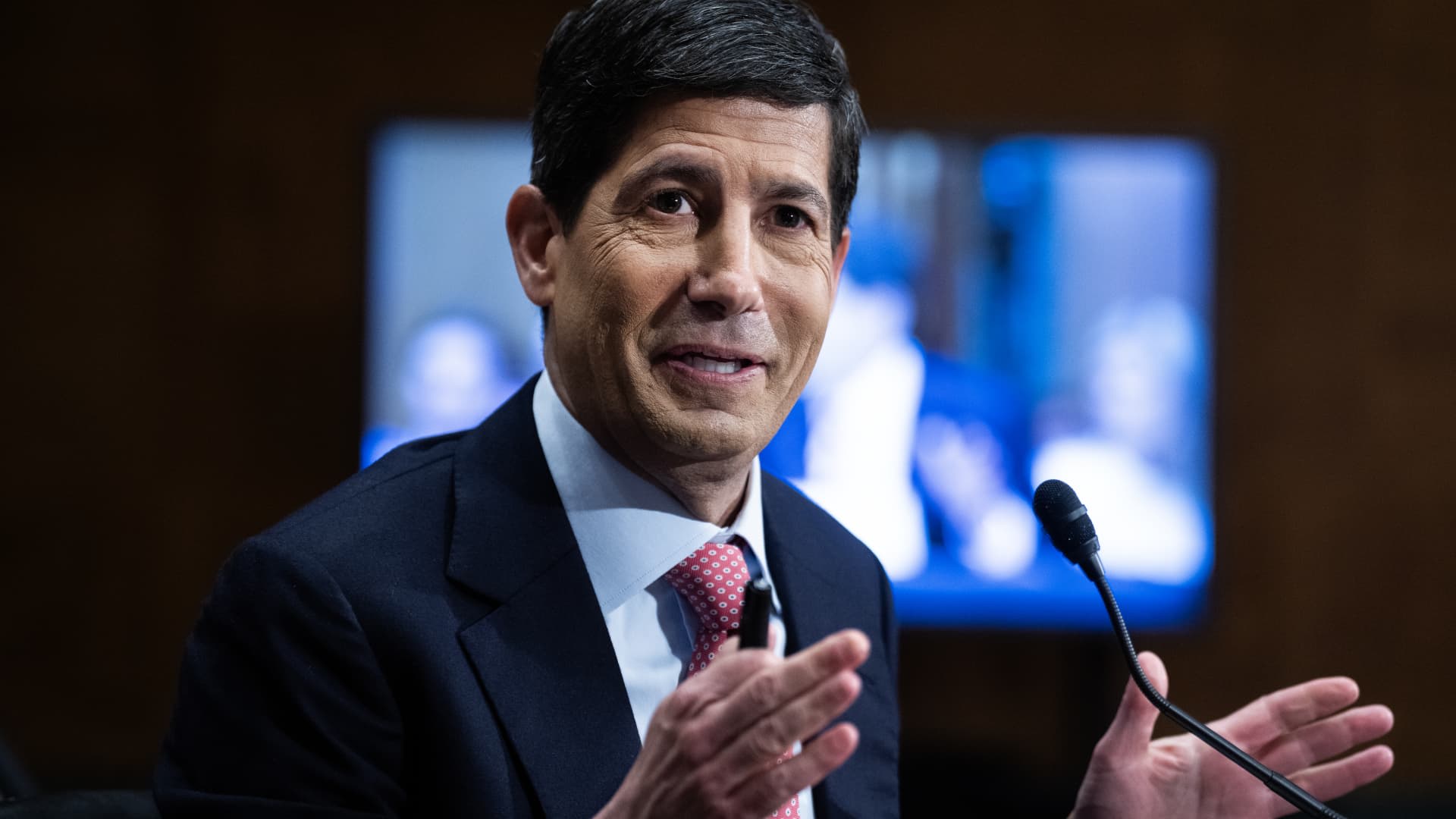
Federal Reserve Chairman Kevin Warsh’s testimony before the Senate Banking Committee highlights the high-stakes environment currently facing the central bank. The lag in acquiring access to Mythos suggests that the bureaucratic processes of government oversight are currently struggling to keep pace with the rapid deployment cycles of the AI industry. This mismatch poses a risk to national financial stability, as banks often look to the Fed for guidance on emerging threats.
Future Trends in Financial Oversight
Moving forward, the relationship between regulatory bodies and AI developers will likely become more formal and collaborative. The incident involving Claude Mythos serves as a blueprint for the challenges of 'black-box' regulation. To maintain a secure financial system, the Federal Reserve and similar global entities must establish proactive protocols to gain real-time access to high-risk models before they are widely deployed in the private sector.
Conclusion
The alarm raised by the Federal Reserve regarding Anthropic's Mythos model serves as a stark reminder of the digital fragility of modern banking. While the warning was timely, the inability of the central bank to immediately access the technology it identified as a threat highlights an urgent need for better integration between policymakers and AI developers to ensure that the financial system remains resilient against the next generation of cyber threats.