Divided Fed holds interest rates steady, but three members voted to hike
Source Entity
US Top News and Analysis
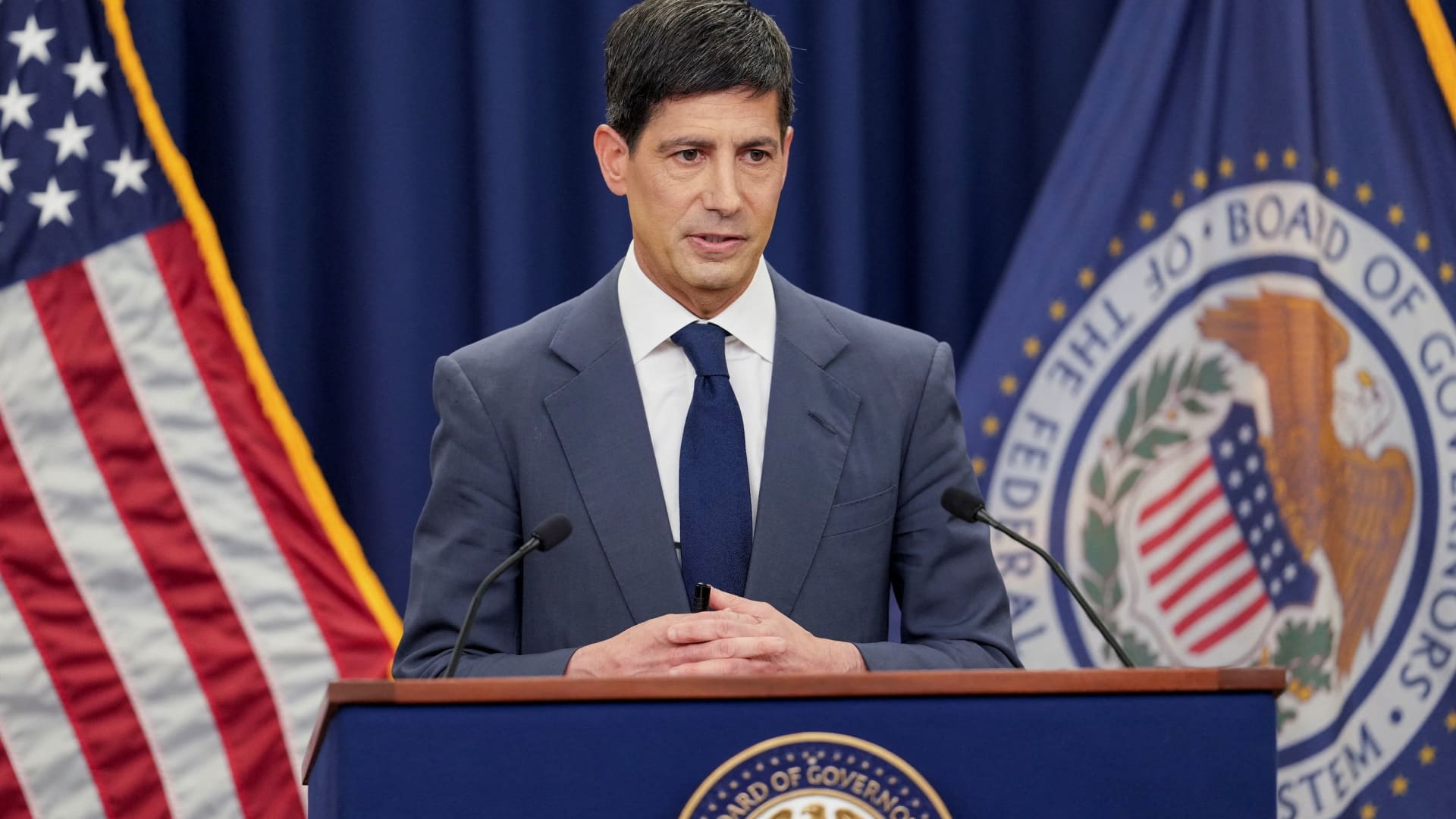
The Federal Reserve held interest rates at 3.5%-3.75% in a 9-3 vote, reflecting internal division over persistent inflation. Three regional bank presidents dissented, advocating for a quarter-point hike to address price instability.
Federal Reserve Maintains Rates Amid Internal Dissent
The Federal Open Market Committee (FOMC) has maintained the benchmark federal funds rate in the 3.5% to 3.75% range, opting for stability despite mounting pressure from within its own ranks. This decision, reached after two days of deliberation, marks the fifth consecutive meeting where the committee has opted to hold rates steady. While the majority favored the status quo, the 9-3 vote reveals a deepening divide regarding the efficacy of current monetary policy in the face of long-term inflationary pressures.
The Dissenting Voices
The opposition to the majority view was led by three regional Federal Reserve bank presidents: Beth Hammack of the Cleveland Fed, Neel Kashkari of the Minneapolis Fed, and Lorie Logan of the Dallas Fed. These officials explicitly advocated for a quarter-percentage-point increase, signaling a belief that current policy is insufficient to combat inflation, which has remained above the central bank’s 2% target for more than five years. Their dissent highlights a growing sense of urgency among certain policymakers to curb price growth through more aggressive tightening measures.
Economic Context and Inflationary Pressures
This policy decision occurs against a backdrop of complex macroeconomic challenges. Reports indicate that persistent inflation is being further exacerbated by a spike in energy prices, directly linked to the ongoing war involving Iran. These external shocks complicate the Federal Reserve's mandate to deliver price stability, as the committee must weigh the risk of cooling the economy too aggressively against the necessity of anchoring inflation expectations.
Leadership Perspectives
In the aftermath of the vote, Fed Chair Kevin Warsh addressed the media, characterizing the internal disagreement as a "good family fight." This framing suggests that the Fed views these differing opinions not as a sign of weakness, but as a healthy component of the deliberative process. By welcoming diverse perspectives, the leadership aims to navigate the delicate balance between fostering economic growth and maintaining the purchasing power of the dollar.
Future Implications and Trends
The persistence of these dissenting votes suggests that future FOMC meetings will likely remain contentious. Should energy prices remain volatile and inflation continue to exceed the 2% threshold, the pressure on the committee to shift its stance will only increase. Market observers will be closely monitoring future post-meeting statements to see if the committee evolves its language or if the faction favoring a rate hike gains additional support. For now, the Federal Reserve remains committed to its existing framework, while acknowledging that the path toward price stability is increasingly fraught with uncertainty.