Fed Chair Kevin Warsh promises 2% inflation, but skyrocketing U.S. debt makes that a pipe dream
Source Entity
Brett Arends
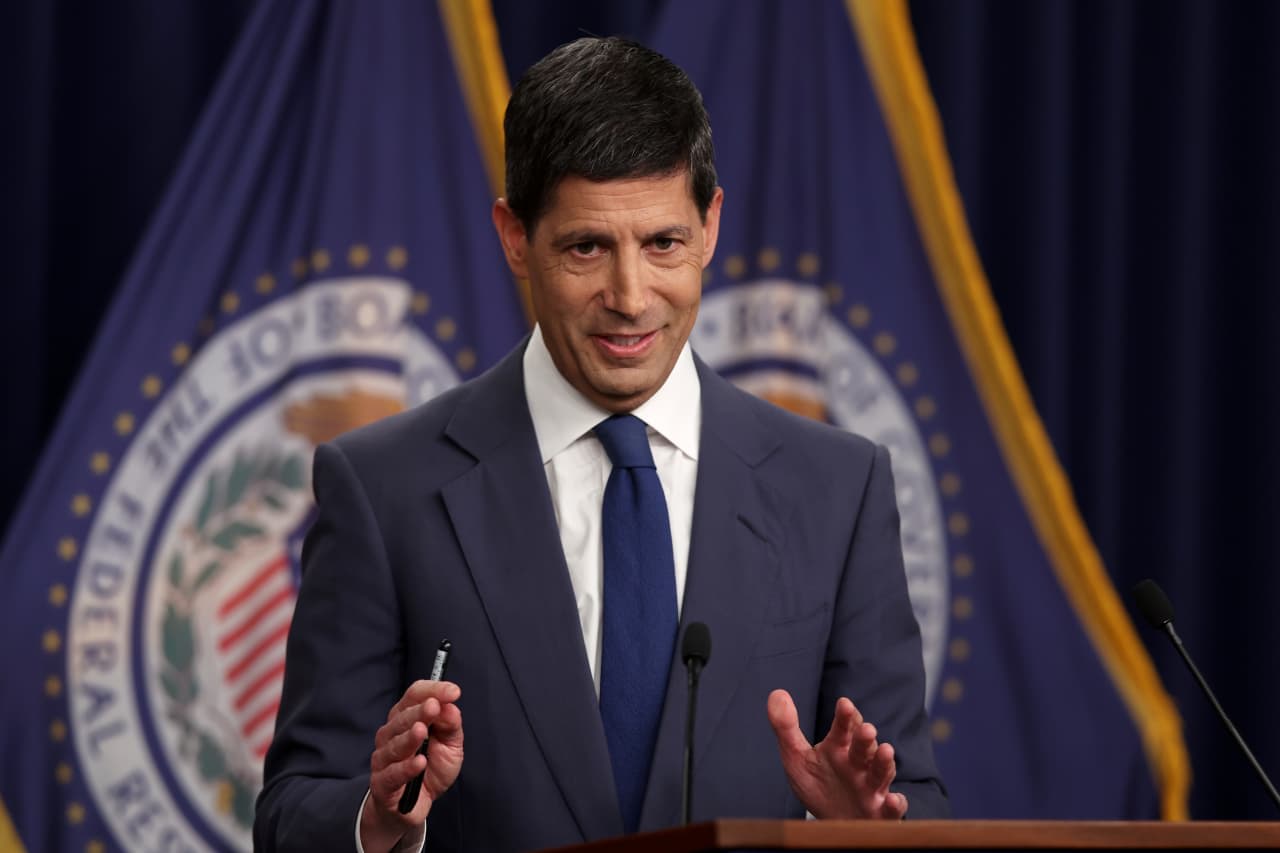
Federal Reserve leadership faces a daunting challenge as the U.S. national debt complicates the goal of maintaining 2% inflation. Experts suggest that fiscal pressures may force a reliance on inflationary policies to manage mounting debt obligations.
The Inflation-Debt Paradox: A Fiscal Dilemma
The assertion that U.S. Federal Reserve officials, such as Kevin Warsh, are committed to a 2% inflation target stands in stark contrast to the harsh realities of the current national debt crisis. While the mandate of the Federal Reserve is to maintain price stability, the sheer scale of U.S. sovereign debt creates a structural incentive for higher inflation that directly competes with these stated goals.
The Mechanics of Debt Erosion
Historically, governments facing unsustainable debt burdens often resort to inflation as a mechanism to erode the real value of their outstanding obligations. By allowing the currency to lose purchasing power, the government effectively pays back creditors with 'cheaper' dollars. This phenomenon, often referred to as financial repression, suggests that the U.S. may require sustained inflation rather than mere economic growth to navigate its fiscal trajectory.
Challenges to the 2% Mandate
Maintaining a 2% inflation target requires restrictive monetary policy, which typically involves higher interest rates. However, higher interest rates increase the cost of servicing the national debt, thereby exacerbating the budget deficit. This creates a feedback loop where the Federal Reserve's attempt to curb inflation could inadvertently trigger a sovereign debt crisis, forcing a pivot toward more accommodative policies.
Beyond Economic Growth
Economic growth is traditionally viewed as the primary solution to debt accumulation; however, current debt-to-GDP ratios suggest that growth alone may be insufficient. When the cost of debt service outpaces the rate of economic expansion, the necessity for alternative measures becomes more pronounced. The argument that 'Uncle Sam needs inflation' highlights the grim reality that structural fiscal adjustments are being weighed against the potential for monetary debasement.
Future Implications and Trends
Looking forward, the tension between the Federal Reserve's inflation targets and the U.S. Treasury's borrowing needs will likely define the economic landscape. If the U.S. cannot achieve significant fiscal consolidation, the market may increasingly anticipate higher long-term inflation regardless of official pronouncements. This shift in expectations could lead to higher bond yields and further complicate the Federal Reserve’s ability to control the monetary environment.
Conclusion
In summary, the promise of a 2% inflation target is currently being tested by the pressures of a ballooning national debt. The interplay between fiscal policy and monetary objectives suggests that the path to stability is far more complex than standard economic models might imply. As the U.S. continues to manage its debt, the reliance on inflation as a tool for fiscal relief remains a critical, albeit controversial, subject for investors and policymakers alike.
Verification Required?