Market sees next Fed hike in October, following Barr comments and hot inflation reading
Source Entity
US Top News and Analysis
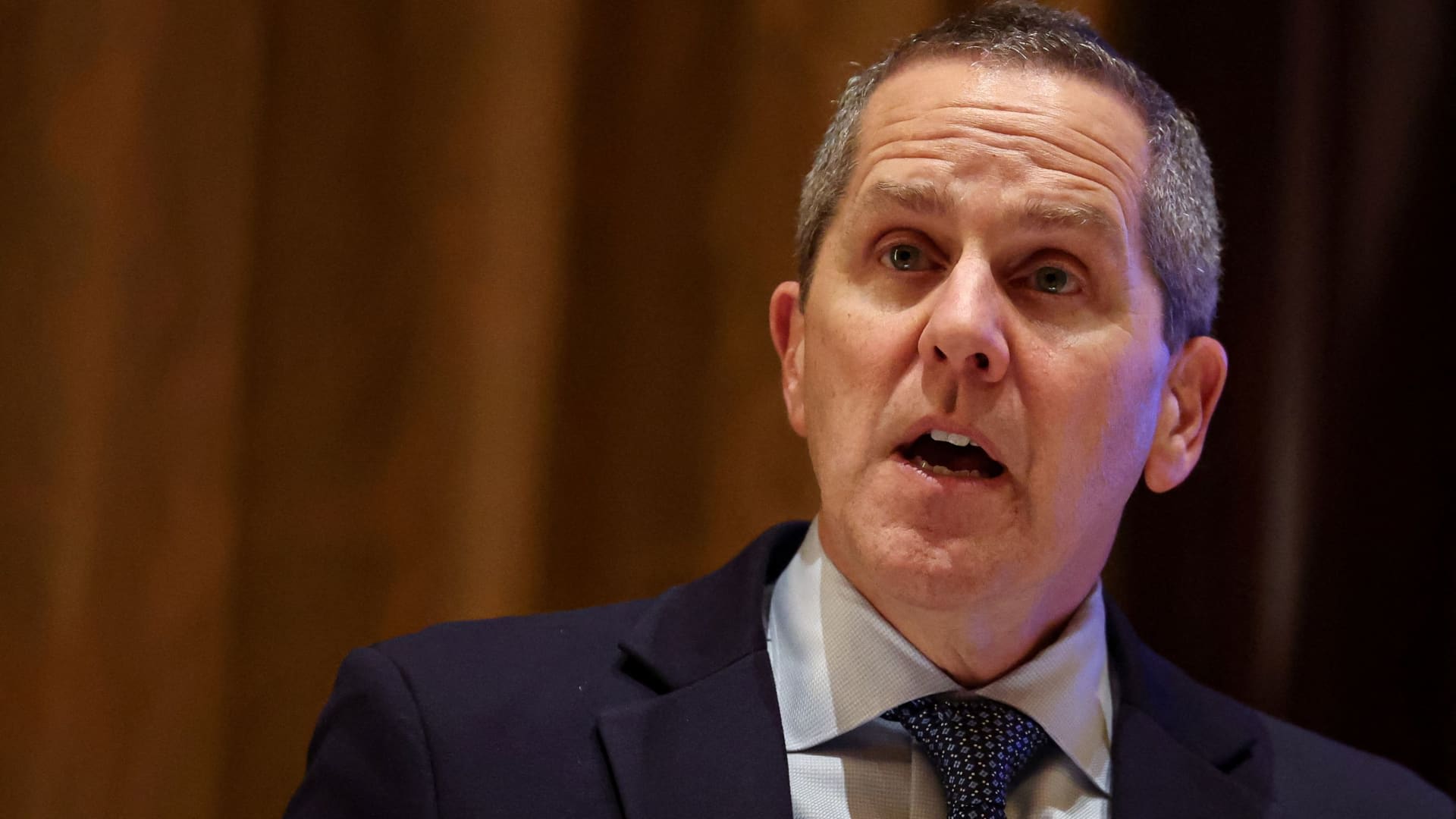
Federal Reserve officials Susan Collins and Michael Barr have signaled that further interest rate hikes are likely necessary to combat persistent inflation. Both leaders emphasize that current economic data necessitates a restrictive policy stance to return inflation to the 2% target.
The Federal Reserve's Strategic Pivot Against Persistent Inflation
Recent statements from Federal Reserve officials, including Boston Fed President Susan Collins and Governor Michael Barr, underscore a growing consensus within the central bank that the battle against inflation remains unfinished. As the U.S. economy faces a period of intensified price pressures, the Federal Reserve has signaled that the current trajectory of interest rates may require further tightening to ensure long-term stability. This shift in tone reflects the challenges of managing a post-pandemic economic environment where inflation has proven more stubborn than anticipated.
The Rationale Behind Continued Rate Hikes
Boston Fed President Susan Collins has explicitly highlighted an increased likelihood that inflation will remain "notably" above the Fed’s 2% target. Her support for the recent quarter-point interest rate hike is rooted in the belief that a more restrictive federal funds rate is a necessary tool to force inflation back toward sustainable levels. By advocating for a policy that prioritizes durability, Collins is signaling that the central bank is willing to prioritize price stability over short-term growth considerations.
Intensifying Inflationary Pressures
Compounding these concerns, recent data from S&P Global indicates that overall inflation measures have reached their highest levels since late 2022. This "hot" reading serves as a critical backdrop to the comments made by Fed Governor Michael Barr. Barr, speaking at a housing conference in Chicago, reinforced the notion that policymakers have "more work to do." His assessment suggests that the previous quarter-point hike is merely a step in a broader strategy rather than the conclusion of the current tightening cycle.
The Impact on Market Expectations
Financial markets have quickly adjusted to this hawkish rhetoric, with speculation regarding an October interest rate hike gaining significant traction. Governor Barr’s explicit statement that "further policy adjustments are likely to be needed" has provided a clear roadmap for investors. This forward guidance is essential for the Fed to maintain market confidence while attempting to engineer a "soft landing" for the economy, balancing the need for growth with the mandate to suppress runaway costs.
Broader Economic Implications and Future Trends
Looking ahead, the Federal Reserve’s reliance on data-driven decision-making will remain the defining feature of U.S. monetary policy. As the Fed continues to navigate the complexities of labor market dynamics and sector-specific inflation, the focus will stay on ensuring that the federal funds rate remains sufficiently restrictive. The commitment shown by officials like Collins and Barr suggests that the central bank is prepared to act decisively if inflation data continues to defy expectations, setting the stage for a potentially volatile final quarter of the year.