Markets react to Fed's July interest rate decision
Source Entity
Yahoo Finance
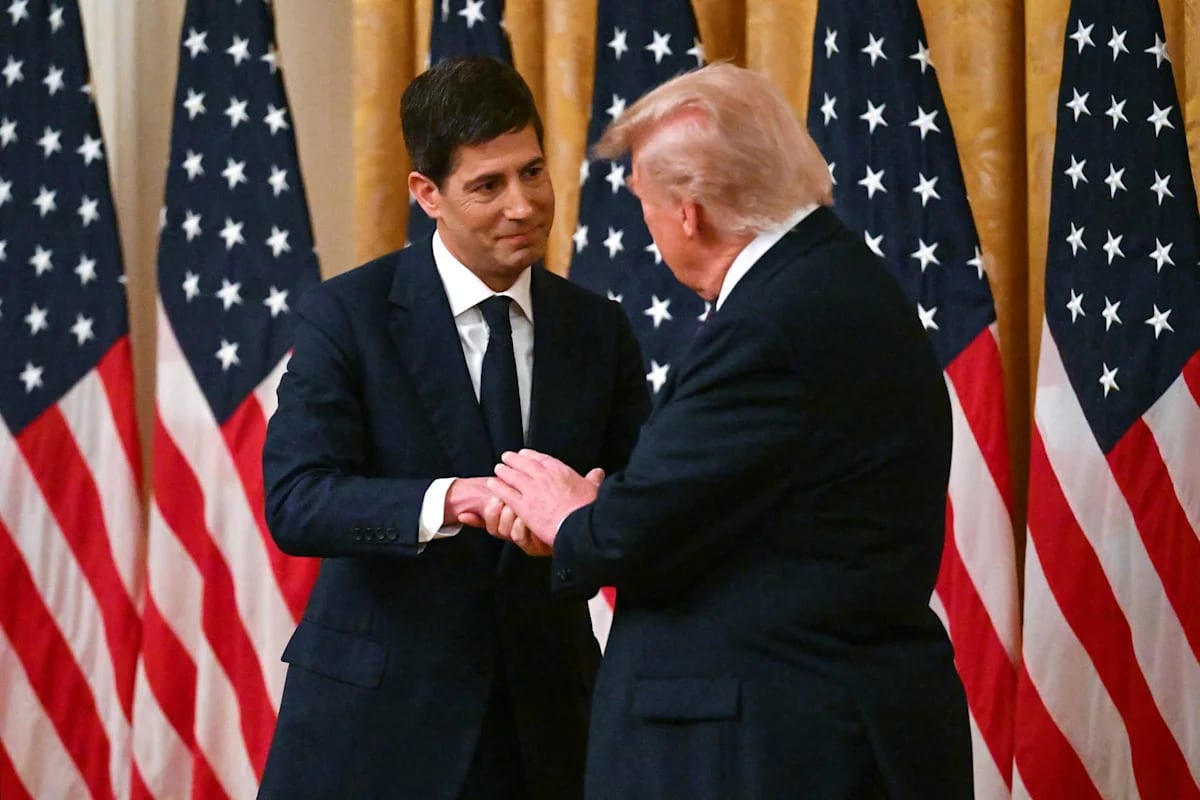
The Federal Reserve, led by Chair Kevin Warsh, held interest rates steady at 3.50%-3.75% in July. Wall Street reacted negatively to the lack of a clear inflation-fighting strategy, causing significant market declines.
The Fed's July Policy Stance: Stability Amidst Uncertainty
As the Federal Open Market Committee (FOMC) concluded its two-day meeting on July 29, the central bank opted to maintain the benchmark interest rate within the 3.50% to 3.75% range. This decision followed widespread market anticipation that no immediate changes would be enacted, despite the persistent pressure of inflation. The policy announcement was delivered by the newly appointed Federal Reserve Chairman, Kevin Warsh, amidst a climate of heightened scrutiny regarding the central bank’s independence and its long-term strategy for economic stability.
The Challenge of Inflation Targeting
Central to the current economic discourse is the Federal Reserve's mandate to return inflation to a 2% target—a benchmark that has remained elusive for the past five years. Despite the stated commitment to this goal, Chairman Warsh’s post-meeting communication has been described by some analysts as lacking a granular, actionable roadmap. This perceived ambiguity has fueled skepticism among investors and households, who are being asked to maintain patience while the Fed navigates a complex macroeconomic environment characterized by both domestic political pressures and global market volatility.
Political Dynamics and Central Bank Independence
The narrative surrounding the Fed is further complicated by the vocal involvement of the executive branch. President Donald Trump has publicly praised Chairman Warsh while simultaneously criticizing other members of the Federal Reserve as being "very political." The President has explicitly called for the lowest interest rates globally, creating a high-pressure environment for the FOMC. This tension raises fundamental questions about the perceived independence of the Federal Reserve, as market participants monitor whether the Chair will prioritize data-driven monetary policy or align with the political preferences emanating from the White House.
Market Volatility and Investor Sentiment
Wall Street’s reaction to the FOMC’s decision was swift and overwhelmingly negative. The Dow Jones Industrial Average closed down 1,153.18 points, or 2.19%, reflecting deep-seated concerns that the current "wait and see" approach may be insufficient to curb inflationary pressures. Furthermore, the 30-year Treasury yield climbed to 5.2%, signaling that the bond market is pricing in the possibility of more aggressive future rate hikes if the current strategy fails to yield results. The 9-3 vote split within the committee underscores internal divisions regarding the pace and necessity of interest rate adjustments.
Forward Guidance and the Path Ahead
Looking toward the future, the absence of clear forward guidance from the Fed has left a vacuum that is currently being filled by market speculation. Fed fund futures indicate a steady climb in expected rates through the end of the year, with projections reaching roughly 4.035% by December. As the Fed navigates the remainder of the year, the primary challenge will be balancing the need for inflation control with the risk of market destabilization. Investors will continue to parse "Fed speak" for any concrete signals regarding a transition from the current holding pattern to more definitive policy actions.