Analysis: How Trump could reignite the Fed independence fight after Warsh's rate hike
Source Entity
US Top News and Analysis
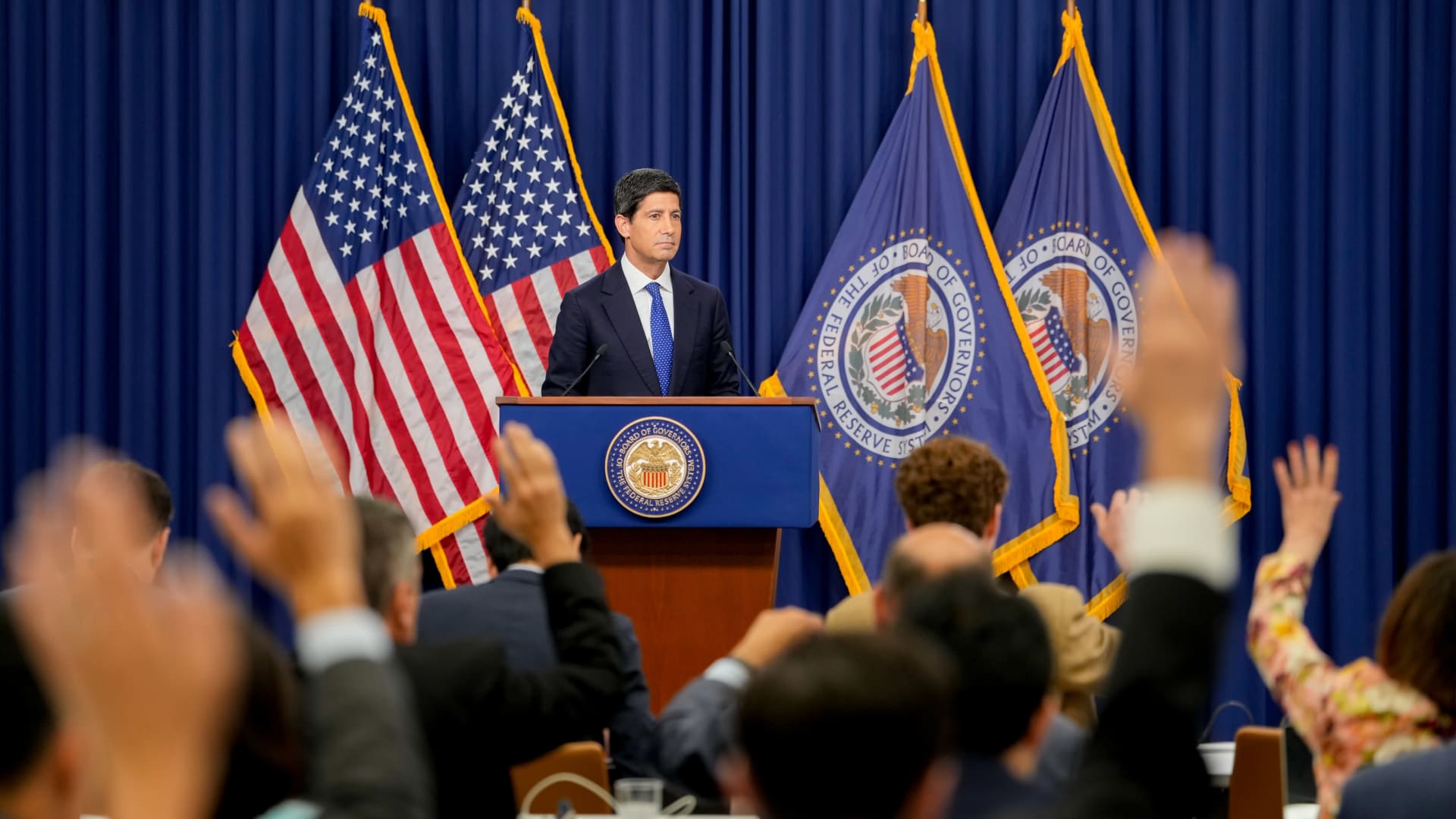
The Federal Reserve, led by new Chair Kevin Warsh, unanimously raised interest rates by 25 basis points to 3.75%-4% to combat persistent inflation. This decision directly defied President Trump's public demands for lower rates, signaling a potential tension regarding Fed independence.
The Fed's Defiance: A New Era of Monetary Policy
In a significant move that highlights the enduring tension between executive political goals and central bank autonomy, the Federal Reserve has implemented its first interest rate hike in three years. The Federal Open Market Committee (FOMC) voted unanimously to raise the federal funds rate target range to 3.75%-4%, a decision that directly contradicts the repeated public urgings of President Donald Trump. Despite the administration's vocal preference for lower borrowing costs, the Fed chose to prioritize its mandate over political alignment.
The Mandate vs. The President
The appointment of Kevin Warsh as the new Federal Reserve Chair was initially perceived by many as a strategic move to align the central bank with President Trump’s economic agenda, specifically his desire for lower interest rates. However, the unanimous nature of this vote suggests that economic reality—specifically the challenge of inflation remaining above the Fed’s 2% target—has superseded political pressures. By voting to hike rates, Warsh has signaled that the Fed’s institutional commitment to price stability remains the primary driver of policy, regardless of the person at the helm.
The Rationale Behind the Hike
Fed Chair Kevin Warsh described the decision as both "sober" and "responsible," explicitly citing that inflation has been too high for too long. By raising rates by 25 basis points, the committee is attempting to slow down an overheating economy and curb rising prices. While higher rates increase the cost of borrowing for mortgages, loans, and credit cards, they are a standard tool used by central banks to prevent long-term economic instability caused by unchecked inflation.
Political Friction and Future Implications
The reaction from the White House and the President’s subsequent Truth Social post underscore a growing rift. President Trump’s argument that rates should remain at 1% or lower reflects a focus on short-term credit accessibility and the perceived strength of the U.S. credit rating. Conversely, the Fed’s action suggests a long-term view where the risks of ignoring inflation outweigh the temporary pain of higher interest rates. This divergence marks a potential flashpoint for future institutional conflict.
A Test of Institutional Independence
This event raises critical questions about the future of Federal Reserve independence in the current political climate. Historically, the Fed has maintained its autonomy to make unpopular decisions that are necessary for macroeconomic health. The fact that all 12 FOMC members, including Trump’s own appointee, voted for the hike demonstrates that the internal culture of the Fed remains resistant to executive pressure. Whether this independence can withstand continued public criticism from the President remains a central concern for global markets.
Conclusion
The decision to raise interest rates serves as a firm reminder that the Federal Reserve remains focused on its dual mandate of price stability and maximum employment, even when those goals clash with the administration's policy preferences. As the global economy watches, the Fed’s ability to remain data-driven rather than politically driven will be the primary metric for maintaining market confidence in the world’s largest economy.
Multiple Citing Sources