Death of Dalit student: Family exhumes body, protest for swift action
Source Entity
Manish Sahu
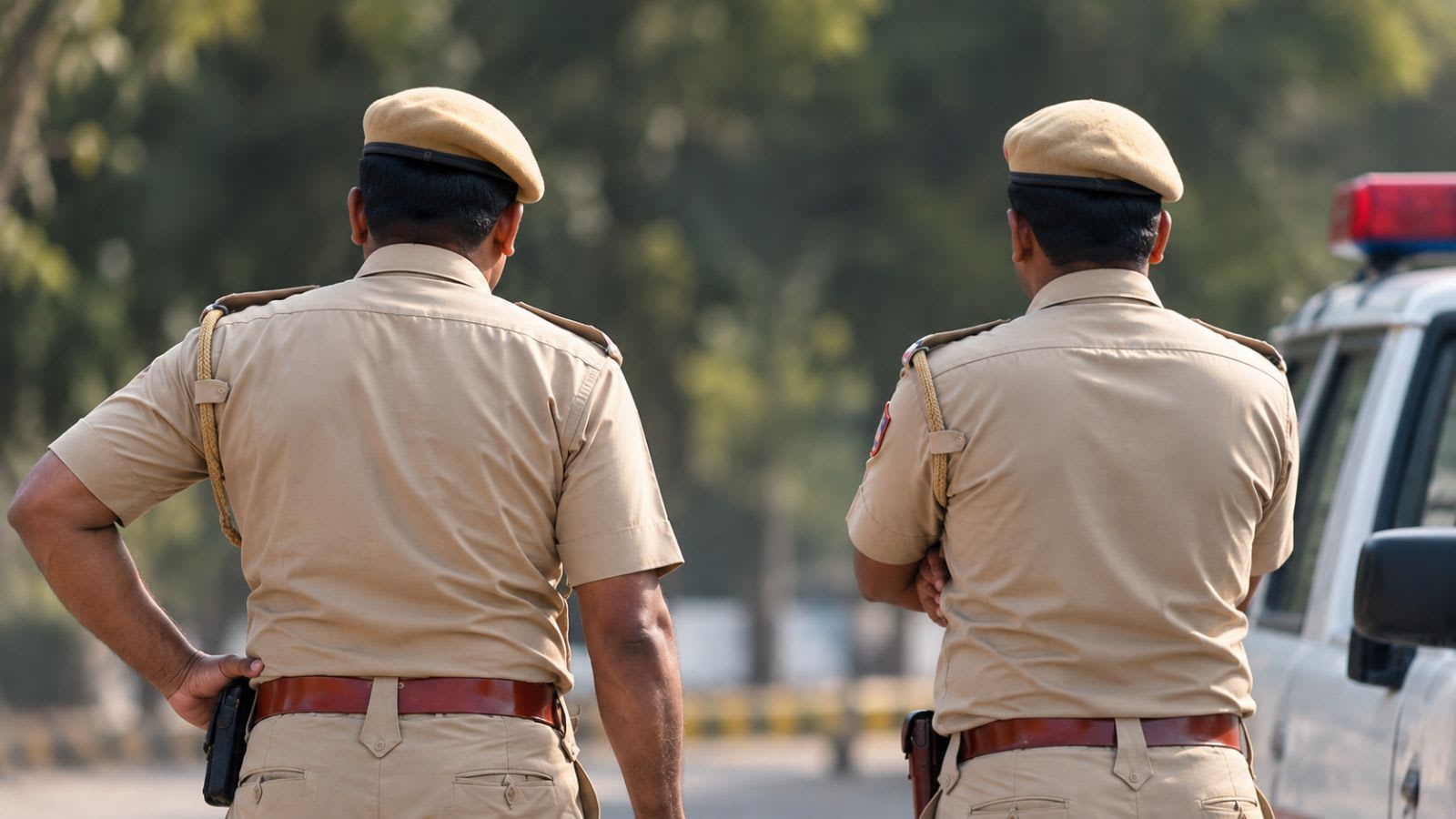
The family of a Dalit nursing student found dead in Firozabad exhumed her body to protest perceived police inaction. They allege she was sexually assaulted and murdered, prompting charges against her college principal and his son.
The Firozabad Tragedy: A Demand for Justice
The discovery of a 22-year-old Dalit nursing student’s body on a railway track near her college in Firozabad has ignited a fierce outcry for justice. The student, who was in her first year of studies, was found dead on the morning of October 28. What initially appeared as a potential accident or suicide has been categorically rejected by the victim's family, who believe the scene was staged to conceal a more heinous crime.
Allegations of Foul Play
Central to this investigation are the grave allegations leveled by the victim's family. They contend that the young woman was sexually assaulted and subsequently murdered before her body was placed on the tracks. This narrative challenges the initial assumptions surrounding the case and has forced local law enforcement to pivot their investigative focus toward criminal homicide rather than accidental death.
Legal Action and Institutional Accountability
Following a formal complaint filed by the victim's brother, the police have registered an FIR against the principal of the private nursing college and his son. The charges are severe, encompassing allegations of attempted rape, murder, and violations under the Scheduled Castes and the Scheduled Tribes (Prevention of Atrocities) Act. The inclusion of the SC/ST Act underscores the systemic sensitivity of the case, as it highlights the intersection of caste-based vulnerabilities and institutional power dynamics.
The Protest: Exhumation as a Last Resort
In a desperate attempt to compel the administration to take decisive action, the family took the drastic step of exhuming the student's body to stage a public protest on Saturday. This act of civil disobedience serves as a powerful indicator of the family's deep-seated distrust in the pace of the ongoing investigation. By bringing the issue into the public sphere, they are attempting to ensure that the accused do not evade accountability through bureaucratic delay.
Broader Implications and Future Trends
This incident highlights the precarious environment faced by students in private educational institutions, particularly those from marginalized communities. As the investigation continues, the pressure on the Firozabad police to secure forensic evidence and witness testimonies will remain high. The case serves as a grim reminder of the necessity for transparency in police investigations involving sensitive allegations of sexual violence and caste-based discrimination.
Conclusion
The path to justice in this case remains fraught with legal and social complexities. As the authorities proceed with the investigation against the college officials, the public spotlight remains fixed on whether the judicial system can provide swift and impartial redress for the victim's family. The outcome of this case will likely influence future discussions regarding the safety of students and the efficacy of the SC/ST Act in holding institutional heads accountable.