Military milestone: Ukrainian naval drone sinks Russian kamikaze drone boat
Source Entity
Jeremy Hsu
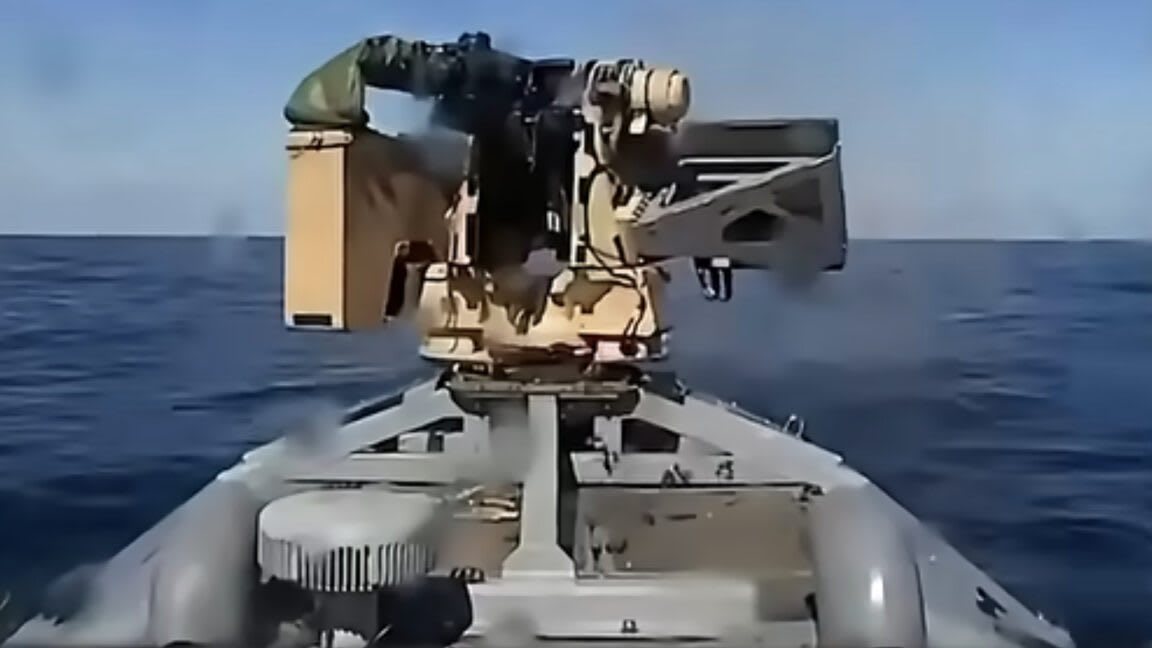
Ukrainian forces achieved a historic maritime milestone by destroying a Russian explosive drone boat using a remote-controlled Ukrainian naval drone. This first-of-its-kind engagement marks a significant evolution in naval warfare within the ongoing Black Sea conflict.
A New Era of Autonomous Naval Warfare
In a landmark tactical development, the conflict in the Black Sea has witnessed what is believed to be the world’s first-ever combat engagement between two uncrewed surface vessels (USVs). On September 12, Ukrainian Defense Intelligence detected a Russian explosive drone boat—identified by analyst HI Sutton as an 'Orcan' class vessel—and successfully intercepted it using a Ukrainian Navy drone boat equipped with a remote-controlled machine gun turret. This event represents a paradigm shift in how naval forces engage one another, moving away from traditional crewed capital ships toward agile, autonomous systems.
Technical Breakdown of the Engagement
The Russian Orcan drone is described as a 'jet ski type' vessel, specifically engineered for kamikaze-style attacks where the craft rams a target and detonates its payload upon impact. The Ukrainian response demonstrated a shift in defensive tactics; rather than relying solely on coastal batteries or manned patrol boats, the Ukrainian Navy utilized a drone boat capable of precision fire. By employing a machine gun turret, the Ukrainian unit was able to neutralize the threat at a distance, effectively turning the hunter into the hunted in a high-stakes maritime environment.
The Proliferation of Uncrewed Systems
This clash is a logical evolution of the broader drone-centric nature of the war in Ukraine. The theater has already seen the widespread use of aerial swarm technology, ground-based robots, and various iterations of maritime drones. As both sides continue to invest heavily in uncrewed surface vessels, the Black Sea has effectively become a laboratory for naval innovation. The Orcan drone itself has been previously deployed, highlighting Russia's intent to use low-cost, expendable assets to threaten Ukrainian port infrastructure and naval logistics.
Strategic Implications for the Black Sea
The ability to intercept explosive USVs at sea provides a significant defensive advantage. For Ukraine, which has faced consistent threats to its maritime trade routes and port security, the success of this intercept suggests a growing sophistication in its automated defense network. By actively hunting these explosive drones before they reach their intended targets, Ukraine is attempting to regain a degree of control over the contested Black Sea corridors, which are essential for international grain shipments and military supply lines.
Future Trends in Autonomous Combat
Looking forward, this engagement signals that naval warfare is entering an age of 'autonomous denial.' As more nations observe the success of these systems, we can expect a rapid acceleration in the development of counter-drone technologies for maritime environments. The integration of remote-controlled turrets onto USVs is likely just the beginning; future iterations may include enhanced AI-driven targeting, autonomous swarming capabilities, and specialized electronic warfare suites designed to jam or hijack enemy drones before they can execute their mission.
Conclusion
The destruction of the Russian Orcan drone by a Ukrainian counterpart serves as a sobering reminder of how quickly modern warfare is adapting to autonomous technology. While the human cost of the conflict remains the primary concern, the tactical success of this engagement underscores a permanent shift in military doctrine. As drone-on-drone combat becomes more frequent, the traditional rules of naval engagement will continue to be rewritten, placing an even higher premium on technological superiority and the speed of innovation on the front lines.