4-day-old elephant calf rescued after being swept away in Bengal river: Here’s the video
Source Entity
Ravik Bhattacharya
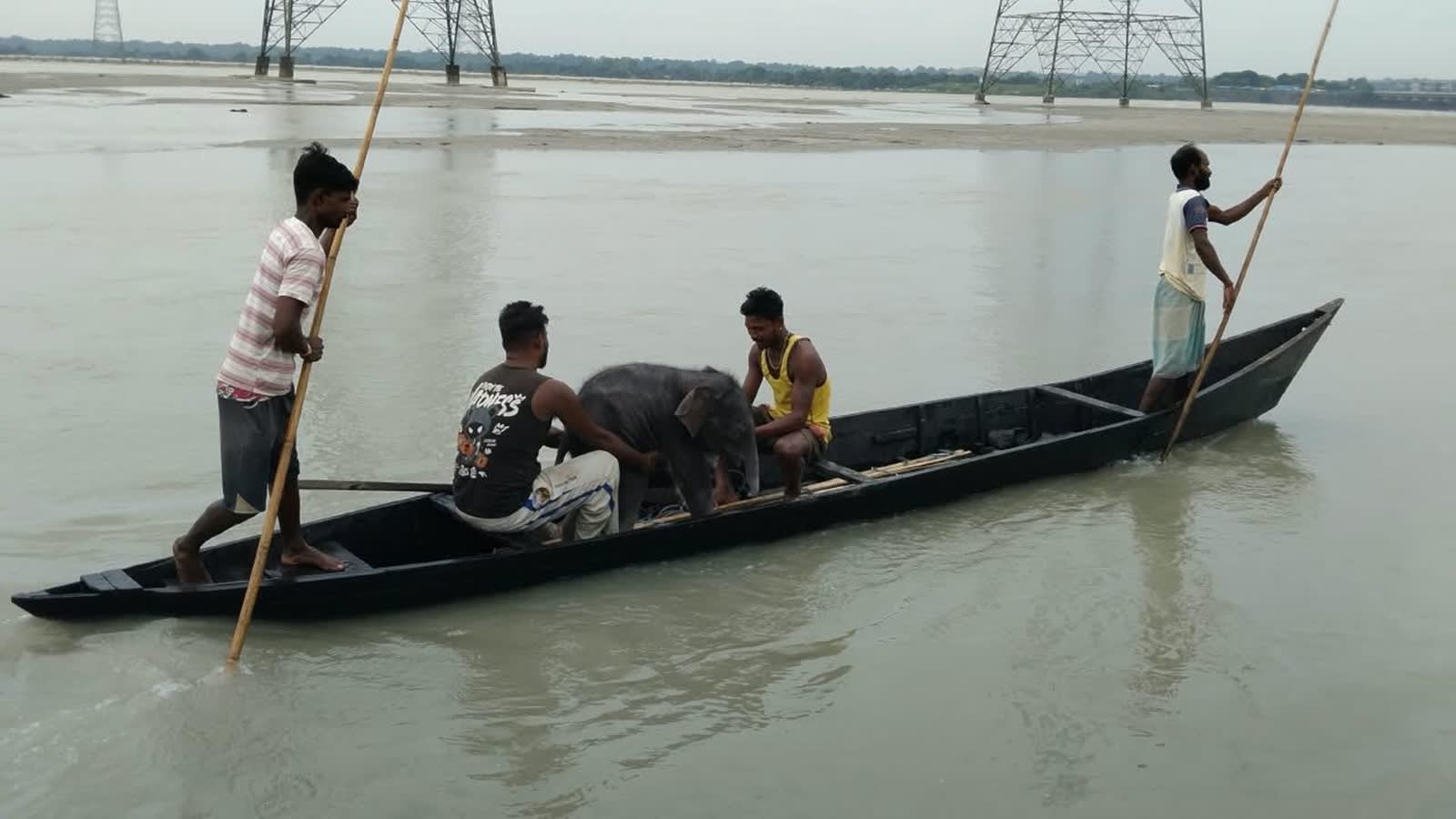
A four-day-old elephant calf was successfully rescued by five local fishermen after being swept four kilometers downstream in West Bengal's Teesta river. Following the rescue, forest department officials provided veterinary care and facilitated a successful reunion with the calf's mother.
A Miraculous Rescue on the Teesta River
In a remarkable display of human-wildlife coexistence, five fishermen in West Bengal’s Jalpaiguri district successfully rescued a four-day-old elephant calf from the treacherous currents of the Teesta River. The incident, which occurred near the Baikanthapur forest division, highlights the inherent dangers faced by wildlife when navigating human-modified landscapes and natural river systems. The calf, having been separated from its herd during a crossing attempt, was swept approximately four kilometers downstream, leaving it isolated and vulnerable to the river's powerful flow.
Bravery Against the Currents
The rescue operation was defined by the quick thinking and physical courage of local fishermen Bablu Das, Mithun Das, Kader Das, Biswanath, and Gopal. Spotting the calf struggling to stay afloat with its trunk barely above the water, the group maneuvered their small rowboat into the swollen river. The intensity of the situation required three of the men to enter the water to haul the distressed animal onto the boat, demonstrating a profound commitment to animal welfare over personal safety in a high-stakes environment.
The Role of Rapid Veterinary Intervention
Upon reaching the shore, the role of the forest department became critical. Forest personnel immediately intervened to provide essential veterinary care to the newborn, who was gasping for breath following the ordeal. This rapid response is a testament to the established protocols within the Baikanthapur forest division, where officials are trained to handle emergency wildlife scenarios. By stabilizing the calf, the department ensured the animal was physically capable of surviving the next phase: the reunion.
Successful Reunification and Ecological Significance
The ultimate success of this operation was the reunion of the calf with its mother. After two hours of coordinated effort, the calf was returned to the vicinity of the herd, where it was observed nursing. This outcome is significant, as orphaned calves often face a low probability of survival in the wild. The successful reintegration underscores the importance of local community involvement in wildlife conservation efforts, as these individuals often serve as the first line of defense for endangered species.
Broader Implications for Wildlife Management
The incident serves as a poignant reminder of the challenges posed by river crossings for elephant herds in regions like Jalpaiguri. As river levels fluctuate due to seasonal rains and infrastructure like the Teesta barrage, traditional migratory paths can become hazardous. The cooperation between local fishermen and forest officials suggests a model for future conservation strategies, emphasizing the need for community-led monitoring and rapid-response infrastructure to mitigate the risks to megafauna in human-dominated landscapes.
Conclusion
The rescue of the Teesta calf is a heartwarming example of successful wildlife management through community partnership. While the calf has been safely returned to its mother, the event highlights the ongoing need for increased vigilance and protection of natural corridors. Moving forward, continued support for local rescue teams and careful management of riverine environments will be essential to ensuring that such vulnerable animals can navigate their habitats safely.