August 15 also marks five years of Taliban’s return to power in Afghanistan: What the country is like now
Source Entity
Latest News: Todays Latest News Headlines from India & World | Hindustan Times | Hindustan Times
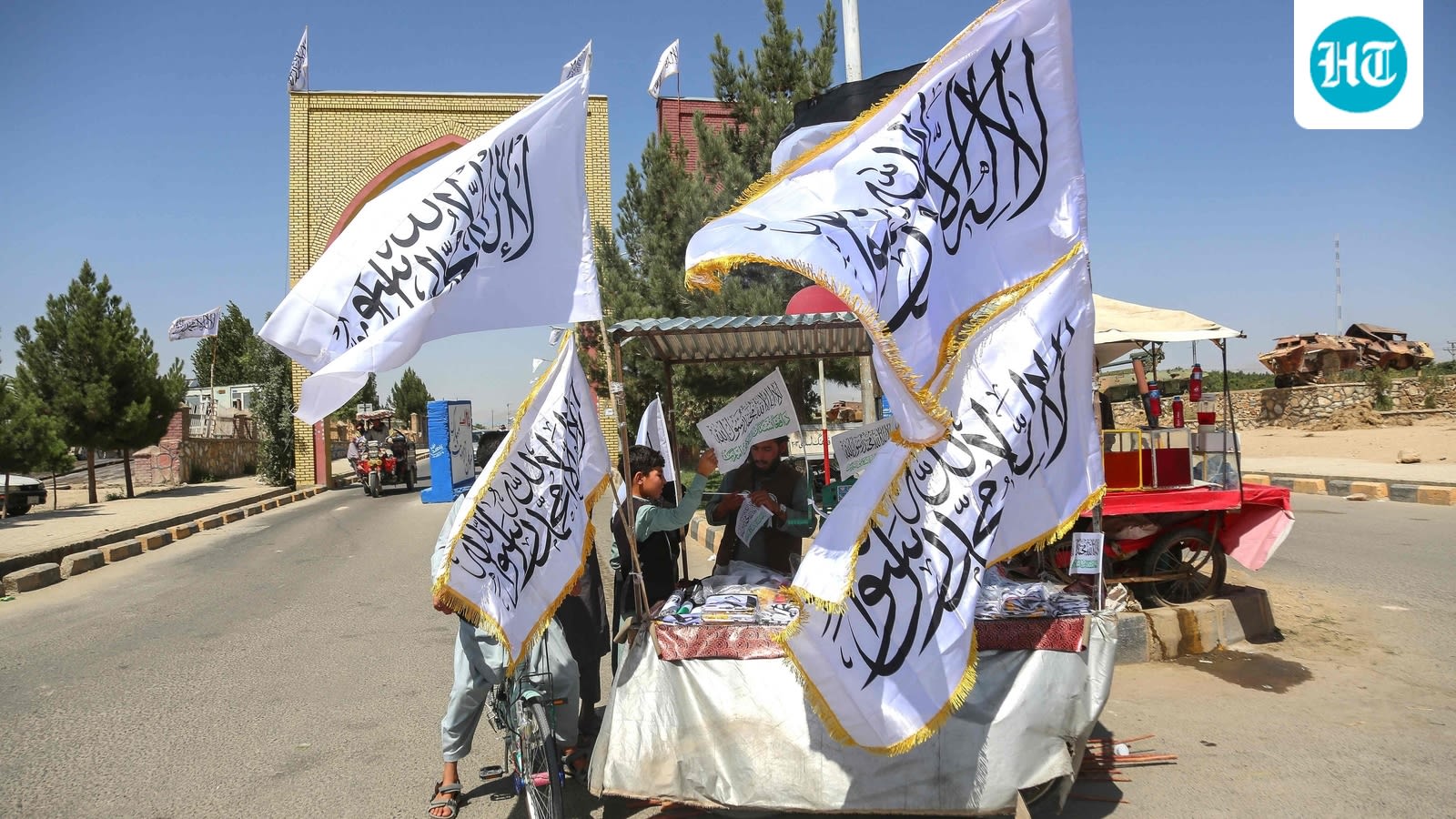
As the Taliban marks five years in power in Afghanistan, the nation remains under strict restrictions, particularly concerning the rights of women and girls. While the regime celebrates its 'Victory Day,' international observers and rights groups continue to highlight the severe decline in human rights and personal freedoms.
Five Years of Taliban Governance: A Retrospective
August 15, 2026, marks a somber and significant milestone in global geopolitics: the fifth anniversary of the Taliban’s return to power in Afghanistan. This date, which coincides with India’s 80th Independence Day, serves as a stark reminder of the rapid collapse of the Western-backed Afghan government in 2021. As the Taliban commemorates this event as their "Victory Day," with parades held outside the former US embassy in Kabul, the international community reflects on the profound transformation the country has undergone since the chaotic withdrawal of coalition forces.
The Shift in Security and Daily Life
For many, the immediate aftermath of the 2021 takeover was defined by the desperate scenes at Hamid Karzai International Airport, where thousands clamored to flee. Five years later, the narrative of "safety" is often cited by the regime, suggesting a reduction in the active kinetic warfare that plagued the nation for two decades. However, this perceived stability comes at a significant cost to civil society. The presence of Taliban flags in provinces like Ghazni and the public displays of military equipment in the capital illustrate a consolidation of power that prioritizes ideological control over democratic governance.
The Erosion of Human Rights
Perhaps the most devastating impact of the last five years has been the systematic exclusion of Afghan women and girls from public life. Despite initial promises of moderation, the reality for the female population has been characterized by a total lockdown on access to formal education, employment, and basic daily freedoms. This erasure of women from the public sphere remains the primary point of contention between the Taliban and the international community, stalling any path toward formal diplomatic recognition.
Historical Context and Geopolitical Isolation
To understand the current state of Afghanistan, one must look back at the 20-year conflict involving the United States and its allies. The swift collapse of the previous government, which occurred within days of the troop withdrawal, highlighted the fragility of the political infrastructure built during the occupation. Today, the Taliban operates in a state of relative geopolitical isolation, struggling with economic stagnation and a lack of legitimacy on the world stage, even as they project an image of internal strength through military parades and anniversary celebrations.
Future Trends and Challenges
As the Taliban enters its sixth year, the country faces an uncertain future. The regime is tasked with managing an economy in crisis while maintaining a hardline social agenda that alienates potential international partners. The growing alarm from global human rights organizations suggests that the situation for Afghan citizens is unlikely to improve without significant shifts in policy. The contrast between the regime’s celebration of "Victory" and the reality of a restricted populace suggests that the internal tensions within Afghanistan will remain a critical focus for global observers in the coming years.
Verification Required?