Flash flood warnings hit southern Utah, including Zion National Park; scary visuals emerge
Source Entity
Latest News: Todays Latest News Headlines from India & World | Hindustan Times | Hindustan Times
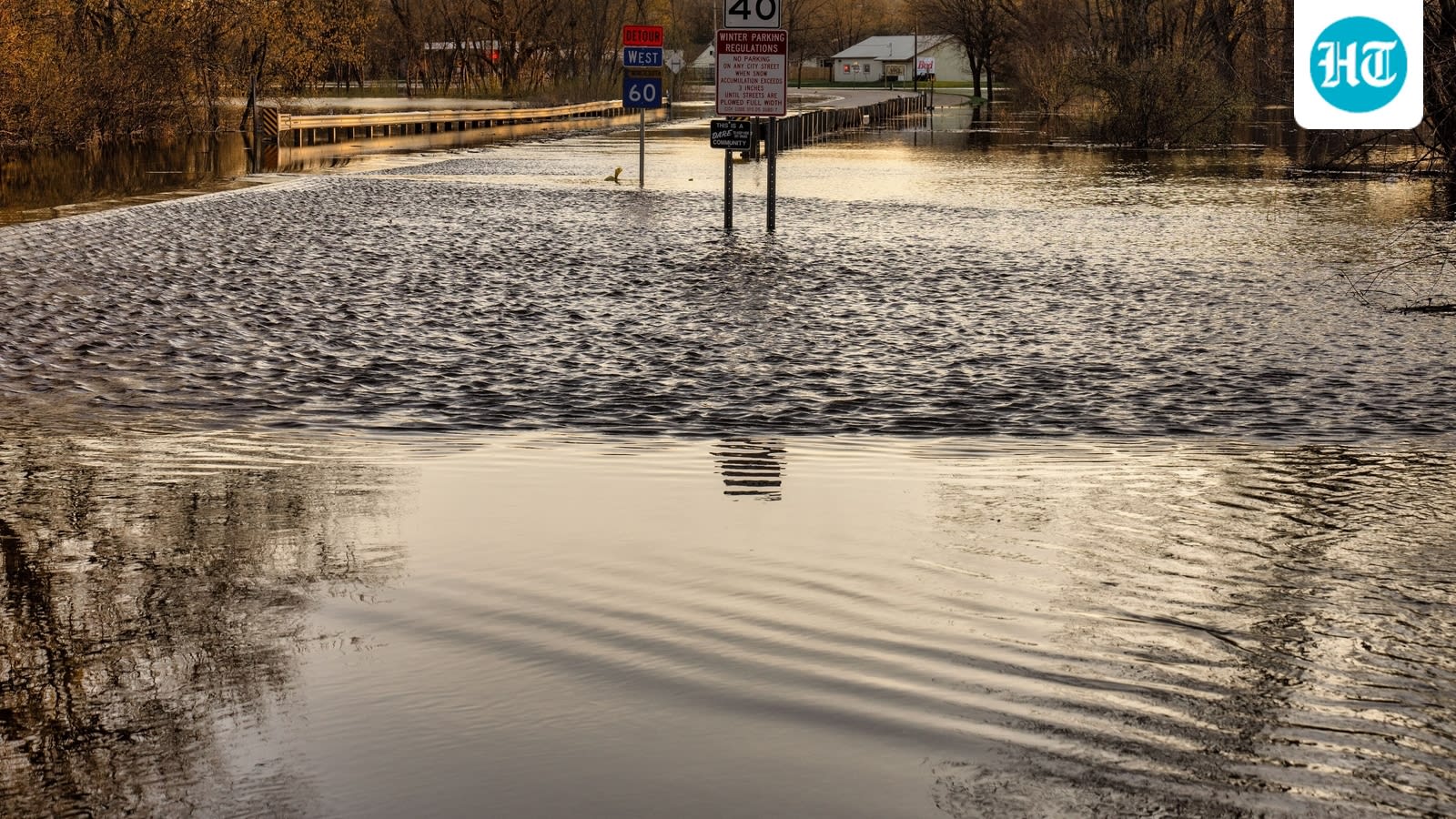
Flash flood warnings were issued for southern Utah, including Zion National Park and the Escalante River, following intense thunderstorms. The National Weather Service warned of a rare moderate excessive rainfall risk, impacting areas near the SR-9 corridor.
Dangerous Weather Conditions in Southern Utah
On the morning of September 31, the National Weather Service (NWS) in Salt Lake City issued urgent flash flood warnings impacting significant portions of southern and central Utah. These warnings, which specifically highlighted the SR-9 corridor near Zion National Park and the Escalante River, were prompted by intense thunderstorms that delivered rapid, heavy rainfall to the region. The situation remains fluid, with meteorological data indicating a rare moderate excessive rainfall risk that poses immediate danger to travelers and residents alike.
Meteorological Impact and NWS Response
The NWS intervention began at 11:16 a.m. with a specific warning for west-central Kane County and east-central Washington County, effective until 2:15 p.m. Such warnings are critical in high-desert environments like Zion, where the topography—characterized by narrow slot canyons and steep sandstone cliffs—cannot absorb water quickly. When heavy precipitation occurs, the ground acts as a slide, turning dry creek beds into high-velocity torrents of water and debris in mere minutes, often catching hikers and motorists off guard.
The Vulnerability of the SR-9 Corridor
The SR-9 corridor serves as the primary gateway to the Zion National Park complex, making it a focal point for both tourism and transit. The convergence of heavy rainfall with this infrastructure creates a precarious environment. Because this region often experiences long periods of drought, the soil becomes hydrophobic, meaning it repels water rather than absorbing it. This geological reality exacerbates the speed and volume of flash flooding, turning standard weather events into life-threatening scenarios.
Broader Implications for Regional Safety
The issuance of a 'moderate excessive rainfall risk' is a significant designation by the National Weather Service. It signals that the probability of significant, damaging flooding is higher than the seasonal average. For local authorities, this necessitates aggressive monitoring of river levels—such as the Escalante River—and proactive closures of trails and canyon access points. The unpredictability of these storms requires constant vigilance from park management and public safety officials.
Future Trends and Climate Context
As atmospheric conditions in the American Southwest become increasingly volatile, the frequency of intense, short-duration storm events appears to be a growing concern for land management agencies. Historical data suggests that while southern Utah is accustomed to seasonal monsoons, the intensity of recent storms tests the limits of existing drainage infrastructure and emergency response protocols. Moving forward, continued reliance on real-time NWS data will remain the primary defense against the inherent dangers of the Utah landscape.
Conclusion
In summary, the flash flood events currently unfolding in southern Utah emphasize the extreme sensitivity of the region to sudden weather shifts. With warnings active for Zion National Park and surrounding areas, the focus remains on public safety and the mitigation of risks associated with intense rainfall. Travelers and residents are urged to heed all NWS advisories until the threat of excessive runoff has fully subsided.
Verification Required?