Walmart’s Flipkart is quietly building a food delivery challenger in India
Source Entity
Jagmeet Singh
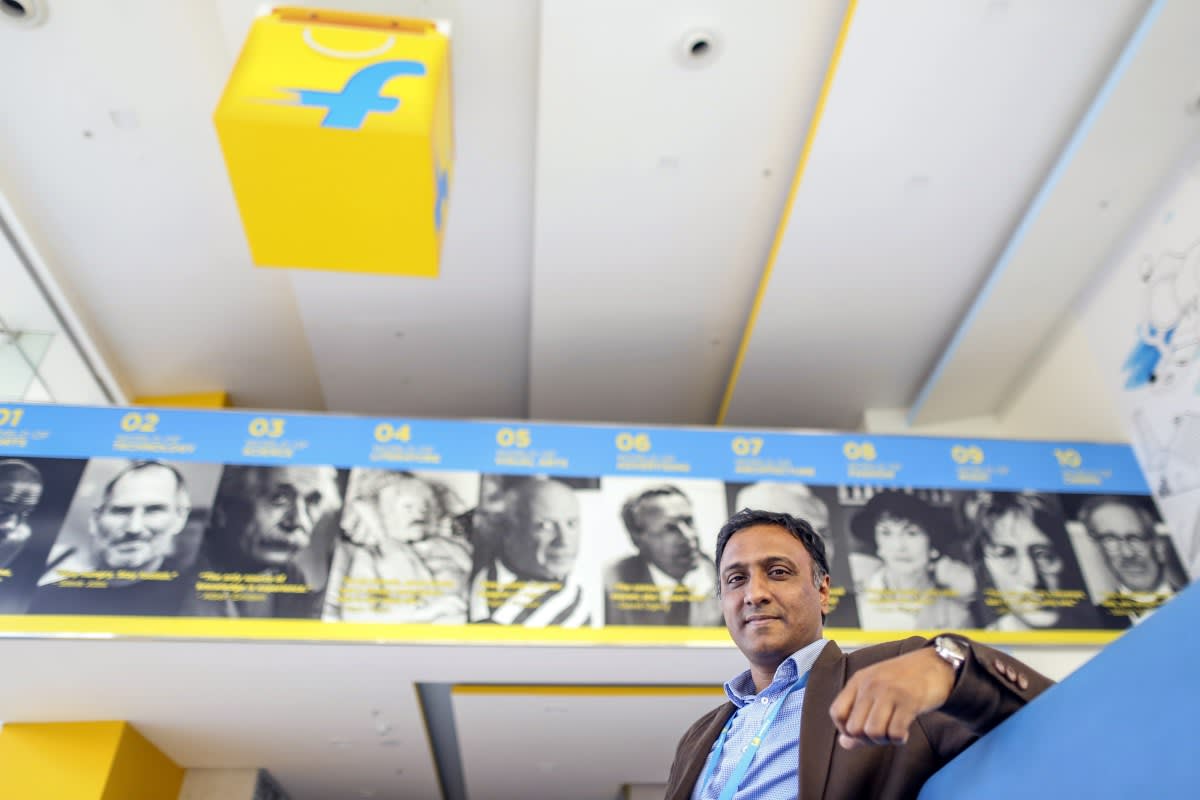
Flipkart is internally testing a new food-delivery service by expanding trials to over 8,000 employees. The move signals a strategic challenge to the established Zomato and Swiggy duopoly in the Indian market.
Flipkart Enters the Competitive Indian Food-Delivery Arena
Walmart-owned Flipkart is making a calculated move to disrupt India's food-delivery sector, a market currently dominated by the entrenched duopoly of Zomato and Swiggy. By integrating a food-delivery service into its existing shopping app, Flipkart is leveraging its massive user base to challenge the status quo. The company is currently in an advanced stage of internal testing, having expanded its trial from a small cohort to over 8,000 employees, indicating that a public launch is imminent.
Strategic Infrastructure and Logistics
To support this venture, Flipkart is utilizing its logistics subsidiary, Ekart. Notably, the company has opted to deploy a dedicated fleet of riders specifically for food delivery, separate from its existing 'Minutes' quick-commerce operations. This architectural decision suggests a focus on specialized service quality and efficiency, acknowledging that the logistics of food delivery—which requires temperature control and rapid transit—differ significantly from standard e-commerce or grocery fulfillment.
Navigating a Challenging Market Landscape
The Indian food-delivery market has proven to be a graveyard for ambitious tech giants. Both Amazon and Google have previously attempted to gain a foothold in this sector, only to withdraw after failing to break the dominance of local incumbents. Flipkart’s entry is therefore a high-stakes gamble. The company is betting that its existing ecosystem—which now includes travel bookings, quick commerce, and traditional retail—will provide enough "stickiness" to convert regular shoppers into food-delivery customers.
The Super-App Ambition
By placing the new service as a dedicated tab within its main app, Flipkart is aggressively pursuing a "super-app" strategy. This approach aims to capture a larger share of the Indian consumer’s daily digital life. By centralizing shopping, travel, and now food, Flipkart is attempting to reduce user acquisition costs and increase the frequency of app engagement, which is essential for sustaining a low-margin, high-volume business like food delivery.
Future Implications and Competitive Trends
If successful, Flipkart’s entry could spark a new wave of price wars and discounting, as the platform will likely need to incentivize users to switch away from Zomato and Swiggy. The broader implication for the Indian tech ecosystem is a potential shift in how e-commerce giants diversify their revenue streams. As quick commerce becomes a standard expectation, food delivery represents the next logical frontier for logistics-heavy platforms looking to maximize the utility of their delivery networks.
Conclusion
While the barrier to entry remains high, Flipkart's deep pockets and existing logistics infrastructure provide it with a fighting chance where others have failed. The coming months will be critical as the company transitions from an 8,000-employee internal test to a full public rollout, forcing the market to adjust to a new, powerful third player.