Cut the cameras: Flock surveillance cameras spur rare bipartisan backlash
Source Entity
Thor Benson
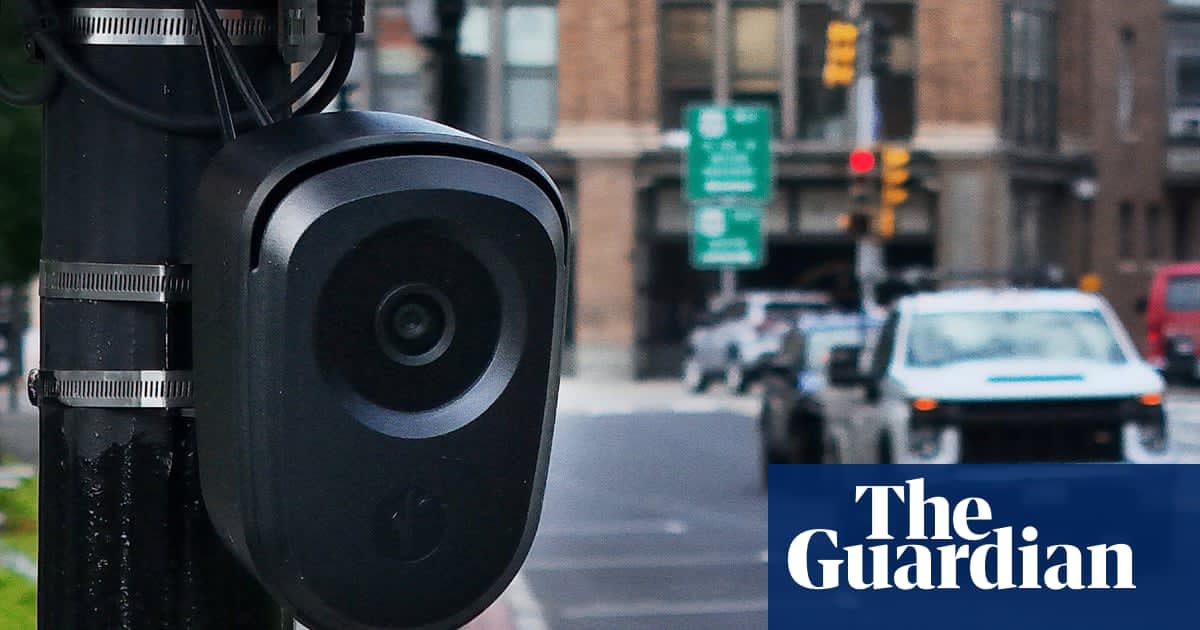
Surveillance cameras manufactured by Flock Safety are facing a wave of vandalism across the U.S. as citizens push back against growing AI-powered monitoring. This backlash highlights a rare bipartisan movement concerned with privacy, mirroring public opposition to large-scale AI infrastructure.
The Rise and Resistance of AI Surveillance
The landscape of American public safety is undergoing a radical shift as AI-powered surveillance, specifically the automated license plate readers (ALPRs) manufactured by Flock Safety, permeates neighborhoods from affluent enclaves like Houston’s Old Braeswood to communities in Minnesota, California, and Georgia. These devices, which capture images of license plates to log vehicular movement, have become ubiquitous, with roughly 120,000 cameras currently conducting an estimated 2 billion scans per month. While proponents argue that these tools are essential for modern policing and community security, their rapid deployment has triggered a visceral reaction.
A Pattern of Organized Sabotage
In late July, the tensions surrounding this technology manifested in overt acts of destruction. In the historic Old Braeswood neighborhood, metal support poles were systematically severed, leaving the solar-powered, oval-shaped cameras discarded on the ground. These incidents are not isolated; they represent a growing trend of coordinated vandalism against infrastructure that citizens increasingly perceive as an intrusive surveillance network. The presence of "24/7 video recording" warnings on these devices serves as a friction point, turning residential streets into sites of localized protest.
The Bipartisan Backlash
Perhaps the most striking aspect of this movement is its bipartisan nature. In a political climate defined by extreme polarization, the pushback against Flock Safety represents a rare point of convergence between factions on both sides of the aisle. This united front challenges a federal agenda that has remained unwaveringly pro-tech, suggesting that concerns over privacy and the erosion of anonymity are beginning to transcend traditional party lines. Critics argue that the passive nature of this mass data collection creates a "panopticon" effect that fundamentally alters the character of private neighborhoods.
Parallels to AI Infrastructure Resistance
The current hostility toward Flock cameras is not occurring in a vacuum; it mirrors the growing public opposition to the construction of massive data centers required to power the AI revolution. Recent polling indicates that approximately 75% of Americans oppose the development of new data centers in their vicinities. This broader trend suggests that the public is becoming increasingly wary of the physical manifestations of AI, whether it is the massive energy-consuming infrastructure required for computation or the street-level hardware utilized for pervasive monitoring.
Future Implications for Tech Deployment
As Flock Safety faces this wave of physical and political opposition, the incident serves as a cautionary tale for tech companies regarding the "social license" required to operate. When the deployment of security technology outpaces the public's desire for privacy, the resulting backlash can lead to property destruction and legislative hurdles. The future of AI-driven public safety will likely depend on whether companies can balance operational efficiency with transparent governance, or if they will continue to face a public that is increasingly willing to take direct action to reclaim its digital and physical privacy.