Flock Wants the Most Detailed Map of Its Surveillance Cameras Taken Offline
Source Entity
Hacker News
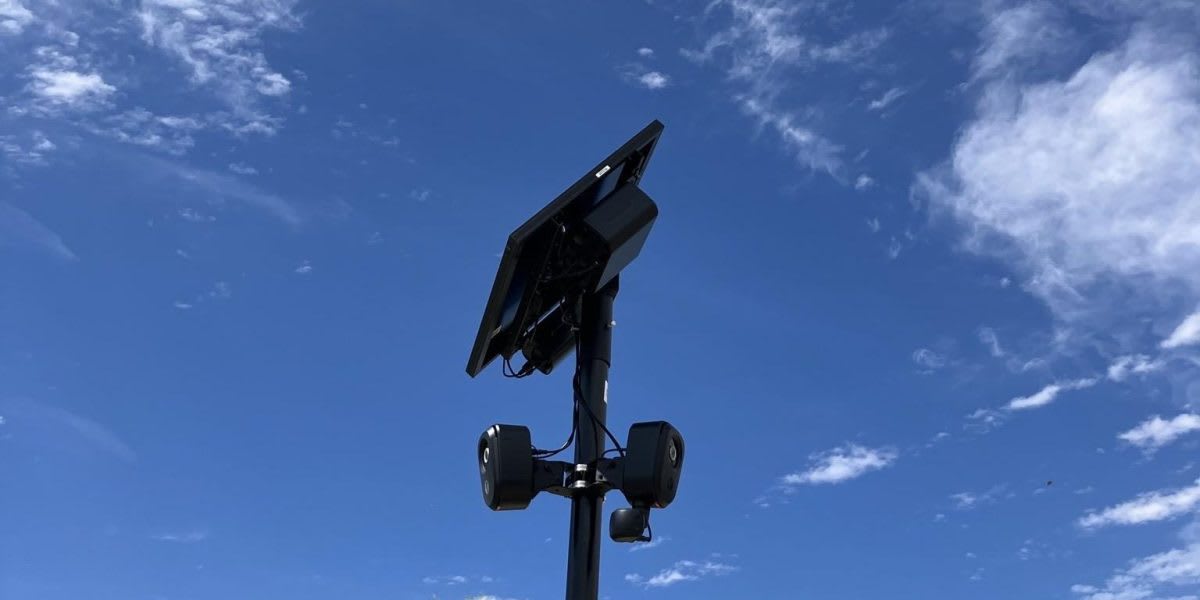
A new map created by researcher Joshua Michael reveals that Flock Security operates over 300,000 surveillance devices, significantly exceeding the company's own estimates. This discrepancy has prompted scrutiny during Senate hearings regarding the scale and transparency of private surveillance networks.
The Expanding Footprint of Private Surveillance
The revelation that Flock Security’s surveillance network is substantially larger than previously disclosed marks a critical juncture in the ongoing debate regarding private-sector data collection. While Flock Security had publicly stated this summer that it operated approximately 120,000 cameras nationwide, independent analysis by cybersecurity researcher Joshua Michael has unveiled a reality of over 300,000 total devices. This figure includes not only 170,000 cameras but also 130,000 additional supporting gadgets, suggesting a more pervasive infrastructure than the public or regulators previously understood.
Discrepancies and Transparency Concerns
The gap between corporate disclosure and independent findings raises fundamental questions about transparency in the security industry. By utilizing location coordinates sourced from Flock’s own database, Michael’s map has provided a granular view of an expansive American surveillance network. This development highlights the challenges of oversight when private corporations operate critical infrastructure that impacts public privacy. When a company’s own technical data contradicts its public statements, it inevitably invites skepticism from policymakers and the public alike.
Legislative Scrutiny and Senate Oversight
The significance of these findings was underscored when they were formally cited during a recent Senate Subcommittee on Crime and Counterterrorism hearing. The fact that this data was integrated into a congressional inquiry indicates that the scale of Flock’s operations is now a matter of national policy interest. Lawmakers are increasingly tasked with balancing the utility of advanced surveillance tools for crime prevention against the potential for overreach and the erosion of individual privacy rights.
The Mechanics of Modern Surveillance
It is essential to understand that Flock’s network is not merely comprised of static cameras. The inclusion of 130,000 'accompanying gadgets' in the total count reflects the sophisticated nature of modern surveillance ecosystems. These devices likely work in tandem to provide comprehensive data collection, moving beyond simple video recording to potentially include automated license plate recognition and other analytical capabilities. This interconnectedness allows for a level of tracking that was previously difficult to achieve at scale.
Future Implications for Privacy and Regulation
As Flock Security seeks to have these detailed maps removed from public view, the legal and ethical tension between proprietary data protection and public accountability intensifies. The industry is trending toward more integrated, high-frequency data collection, and this case serves as a precedent for how such networks will be audited in the future. Moving forward, regulators will likely demand higher standards of disclosure, ensuring that the true extent of private surveillance reaches the public eye before it becomes an irreversible facet of the American landscape.
Conclusion
The discrepancy between Flock’s stated 120,000 cameras and the actual 300,000-device network identified by Joshua Michael is a defining moment for the company. As the Senate continues its investigation, the focus will remain on whether private entities can be trusted to self-report the scope of their reach, or if more stringent federal oversight is required to manage the growth of these pervasive surveillance networks.