NASA has a Dragon dilemma, and there appear to be no good answers
Source Entity
Eric Berger
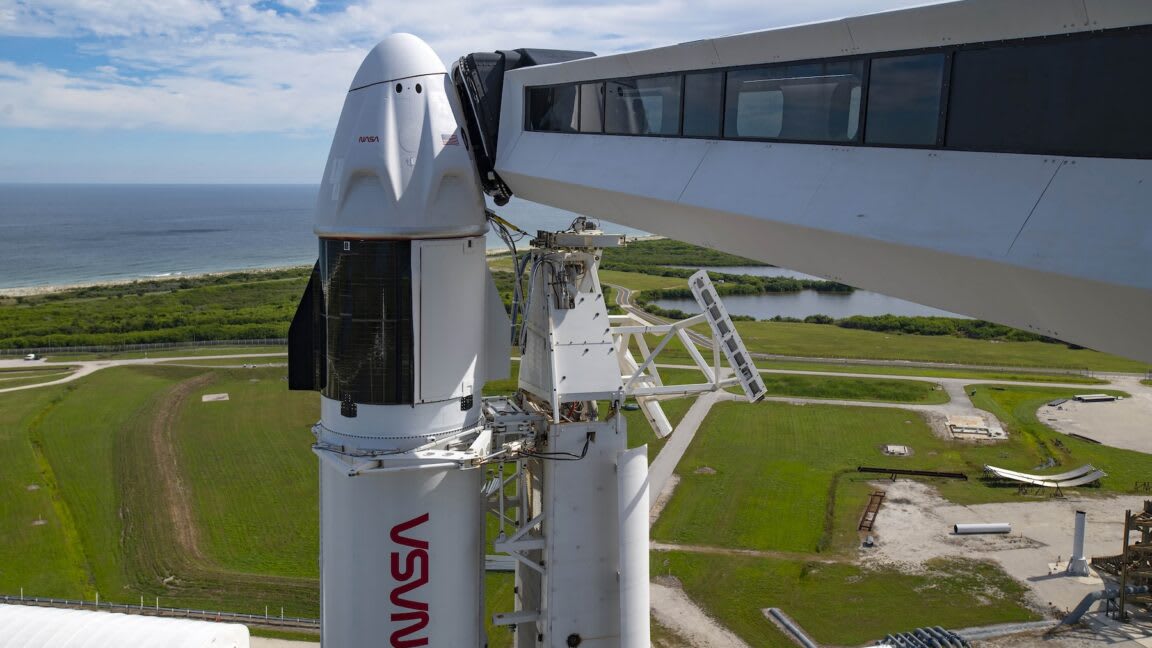
NASA's push to foster a commercial low-Earth orbit economy is facing friction due to its heavy reliance on SpaceX's Dragon spacecraft. This reliance challenges the agency's goal of creating a diverse, competitive, and sustainable commercial space market.
The Evolution of NASA’s Commercial Strategy
For two decades, NASA has pursued a transformative vision for low-Earth orbit (LEO). By pivoting away from a model where the agency owns and operates its own launch vehicles, NASA has sought to cultivate a vibrant, self-sustaining economy. The core of this strategy was to act as an anchor customer, stimulating private sector innovation to develop safe and reliable commercial space transportation systems. This initiative was designed to move beyond simple government-led exploration toward a future where NASA is merely one of many participants in a bustling space marketplace.
The Dragon Dilemma and Market Dependency
Despite these long-term goals, a significant tension has emerged regarding the dominance of SpaceX’s Dragon spacecraft. As the primary vehicle for cargo and crew delivery to the International Space Station (ISS), the Dragon has become an indispensable asset. However, this success has created a 'Dragon dilemma' for NASA: while the agency requires a robust commercial ecosystem, the current market structure appears heavily tilted toward a single provider. This raises critical questions about whether the current reliance on one company undermines the very competition NASA originally intended to foster.
Strategic Implications for the Commercial Sector
NASA’s 2024 philosophy explicitly states its commitment to supporting a robust commercial economy that advances American industry and technological discovery. Yet, the concentration of logistical capabilities within SpaceX complicates this objective. For a true 'economy' to exist in orbit, there must be a diversity of suppliers for transportation, manufacturing, and orbital infrastructure. When one entity dominates the supply chain, the barriers to entry for competitors increase, potentially stifling the growth of the broader ecosystem the agency is trying to build.
Historical Context of Private Sector Involvement
Twenty years ago, the Commercial Orbital Transportation Services (COTS) program was launched with the specific aim of stimulating private sector involvement. At the time, the goal was to ensure cost-effective cargo delivery to the ISS. Over the years, this has expanded into a complex vision involving space tourism, orbital manufacturing, and private space stations. The current dilemma highlights the growing pains of this transition, as NASA attempts to balance the immediate need for reliable access to space with the long-term goal of fostering a competitive, multi-vendor marketplace.
Future Trends and Market Sustainability
Looking ahead, the sustainability of the LEO economy will depend on whether NASA can successfully transition from being a primary operator to one of many customers in a mature market. If the agency remains structurally tethered to a single platform, the 'commercial' nature of the economy remains in question. Achieving a genuine, competitive market will require not only continued innovation from SpaceX but also the successful maturation of alternative private sector solutions that can operate independently of NASA’s immediate logistical needs.
Conclusion: Navigating the Path Forward
The challenge facing NASA is a classic paradox of innovation policy: how to encourage industry growth without becoming overly dependent on the very pioneers it helped create. The future of LEO will be defined by the agency's ability to navigate this dependency while maintaining its commitment to a diverse and thriving commercial space sector. Success will ultimately be measured by the emergence of a resilient, multi-player market that can sustain itself beyond the scope of government contracts.