Flock “can’t tech its way out” of the stalker cop problem, experts say
Source Entity
Ashley Belanger
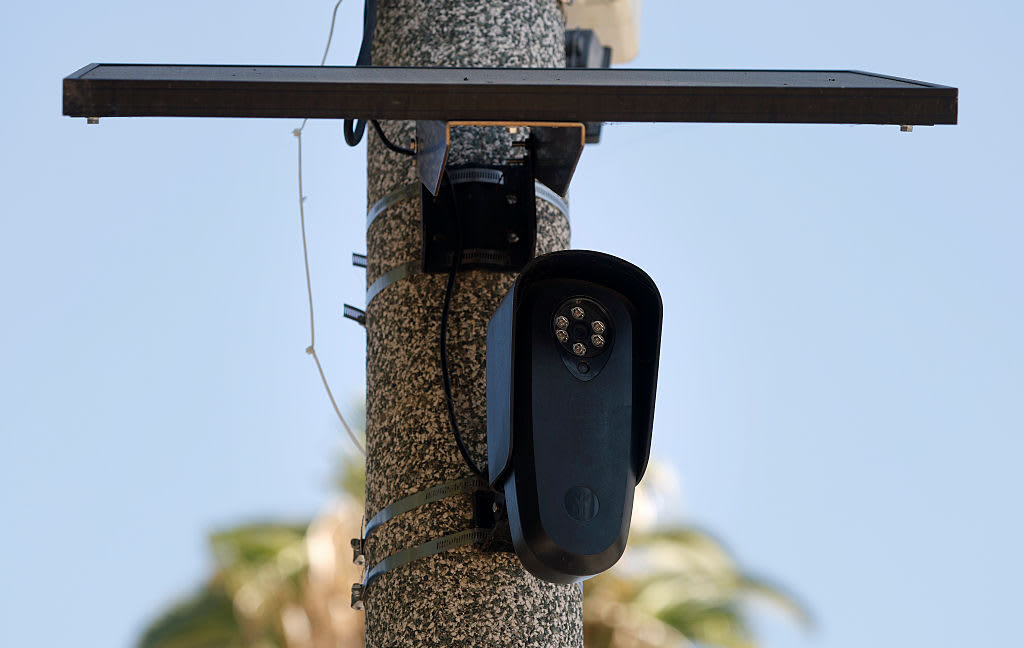
Flock is implementing mandatory security upgrades after police officers were caught using its surveillance network to stalk romantic partners. The company is now reducing data retention periods and enforcing automated audits to curb misuse of its 120,000-camera network.
The Surveillance Crisis: Flock’s Reckoning with Police Misuse
A Failure of Oversight
Flock, a prominent US surveillance firm, is currently facing intense scrutiny following revelations that police officers have repeatedly abused its expansive network of license plate-reading cameras to track romantic partners and stalk private citizens. CEO Garrett Langley has publicly admitted that the company’s response to these ethical breaches was delayed, conceding that necessary safeguards should have been implemented much earlier. This admission marks a turning point for a company that has rapidly deployed over 120,000 cameras across the United States, positioning itself as a primary tool for law enforcement to locate stolen vehicles and missing persons.
The Shift to Automated Safeguards
In response to the growing public backlash, Flock is moving from optional safety features to mandatory enforcement. The company previously offered an audit assistance tool that could flag abnormal search behaviors, yet only a third of agencies had voluntarily opted in by April. Flock is now mandating the use of this software, which automatically suspends access for users whose activity meets criteria for potential abuse. These suspensions can only be lifted following a formal administrative review, a process designed to intervene before patterns of stalking or harassment become systemic within a police department.
Reducing Data Footprints
Beyond behavioral monitoring, the company is fundamentally altering its data retention policy to mitigate the risks of long-term surveillance. By slashing the standard data storage period from 30 days to just seven, Flock aims to limit the "shelf life" of sensitive location data. This move is a direct attempt to reduce the potential for retroactive abuse, ensuring that historical movement records of citizens are not available for extended periods to those who might seek to exploit them for personal, non-professional motives.
The Broader Implications for Public Privacy
The controversy surrounding Flock highlights the significant tension between the utility of automated license plate readers (ALPRs) and the inherent risks of mass surveillance. These devices do more than track plates; they utilize AI to identify vehicle makes, models, and colors, effectively creating a networked map of an individual's daily movements. As these systems become more sophisticated, the potential for harm increases when the human element—police officers with access—fails to adhere to strict ethical and legal boundaries.
Community Pushback and Future Trends
The societal impact of this technology has already led to tangible consequences. Numerous communities, including major municipalities like Los Angeles, have moved to cancel contracts or deactivate existing cameras due to concerns over data access and privacy rights. The termination of partnerships, such as the one previously held with Amazon-owned Ring, underscores the reputational risk that surveillance firms now face. Moving forward, the industry will likely face increased pressure from both regulators and the public to ensure that technology-driven law enforcement does not come at the expense of the very citizens it is intended to protect.