Florida Multifamily Insurance Costs Fall 6.2% in 2025
Source Entity
Yahoo Finance
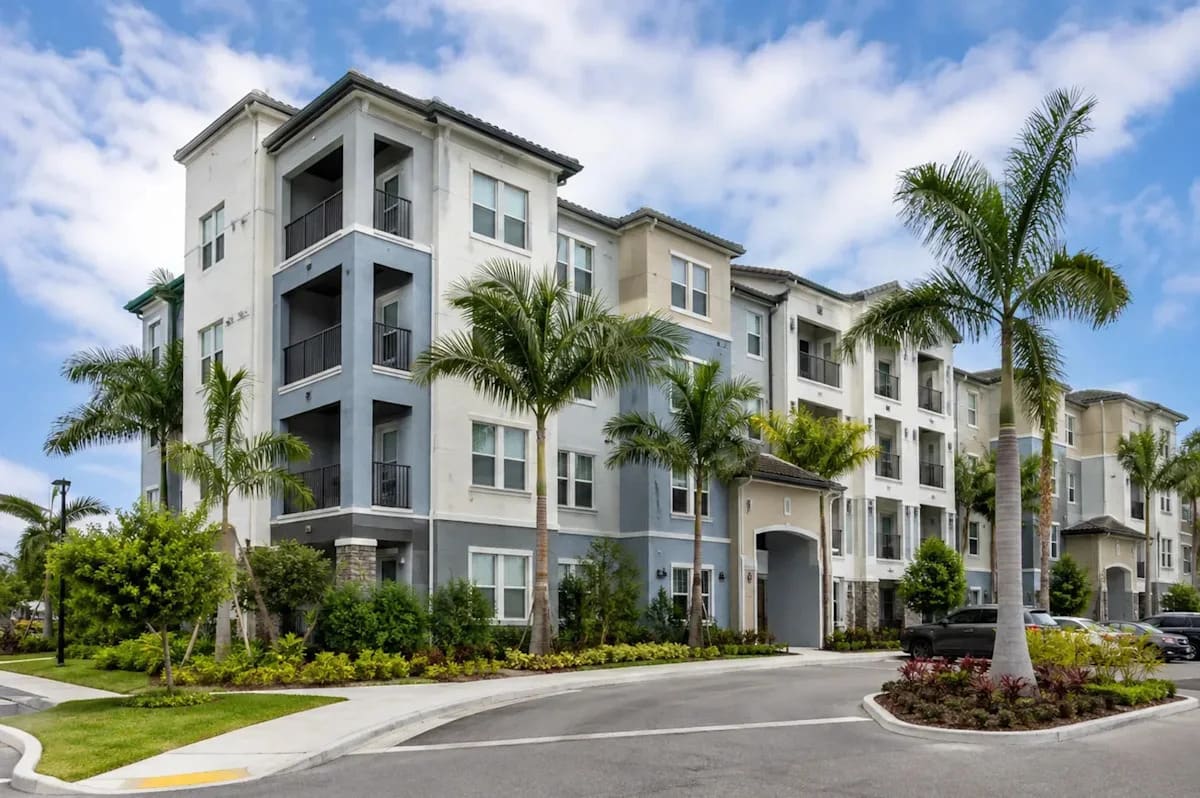
Florida multifamily insurance costs have recorded a 6.2% decline in 2025, marking the first decrease in six years. While this offers relief to property owners, it follows a period of extreme premium hikes that significantly elevated the baseline for operational expenses.
Florida Multifamily Insurance Costs: A Pivot in Market Trends
For the first time in six years, the Florida commercial real estate market is witnessing a reprieve in insurance expenditures. According to recent data from Trepp, multifamily property insurance costs in the state have registered a 6.2% median year-over-year decline in 2025. This development is significant, as it represents the first negative reading in the data series, signaling a potential cooling off in a sector that has been historically volatile and financially burdensome for property owners.
Understanding the Context of Historical Growth
To grasp the importance of this 6.2% reduction, one must look at the preceding years of hyper-inflation in insurance premiums. The Florida market faced an unprecedented surge in costs, with growth peaking at a staggering 42.1% in 2023. This figure is particularly jarring when contrasted with the 16.0% growth rate observed across the remainder of the United States during the same period. This discrepancy highlights how Florida’s unique exposure to climate-related risks and litigation environments created a localized crisis that far outpaced national averages.
The Impact of a New Baseline
While the 2025 decline is undoubtedly a positive development for property owners and investors, it is essential to contextualize this drop against the cumulative impact of previous years. The sharp increases experienced between 2020 and 2024 created a much higher expense base for multifamily assets. Consequently, a 6.2% reduction does not necessarily restore profitability to pre-crisis levels; rather, it provides a much-needed stabilization point that may assist in preventing further erosion of net operating income (NOI) across the portfolio.
Market Implications for CRE Professionals
For those operating within the commercial real estate sector, this shift suggests that the market may be reaching a point of saturation or correction. The high costs of the previous years forced many owners to reassess their debt service coverage ratios and operational efficiencies. A decline in insurance costs could lead to improved cash flow, potentially allowing for more capital expenditure or debt restructuring opportunities that were previously stifled by the weight of exorbitant premiums.
Future Outlook and Sustainability
Looking ahead, stakeholders will be watching closely to see if this trend represents the beginning of a sustained downward trajectory or merely a temporary fluctuation. Given the environmental risks inherent to the Florida region, the insurance market will likely remain sensitive to catastrophic weather events. While the 2025 data offers a glimmer of relief, the long-term sustainability of these costs will depend heavily on market competition and the frequency of major property-damaging events in the coming seasons.
Conclusion
The 6.2% decline in Florida multifamily insurance costs is a landmark moment for the regional real estate industry. After four years of relentless growth, the market is finally seeing a reversal in the cost trend. While this does not fully offset the massive financial burden accumulated during the peak of the crisis, it offers a crucial stabilizing force that may facilitate a more predictable financial environment for property owners in the near term.