'Bigger Isn't Always Better': Why Homebuyers May Be Paying Too Much
Source Entity
NDTV News Search Records Found 1000
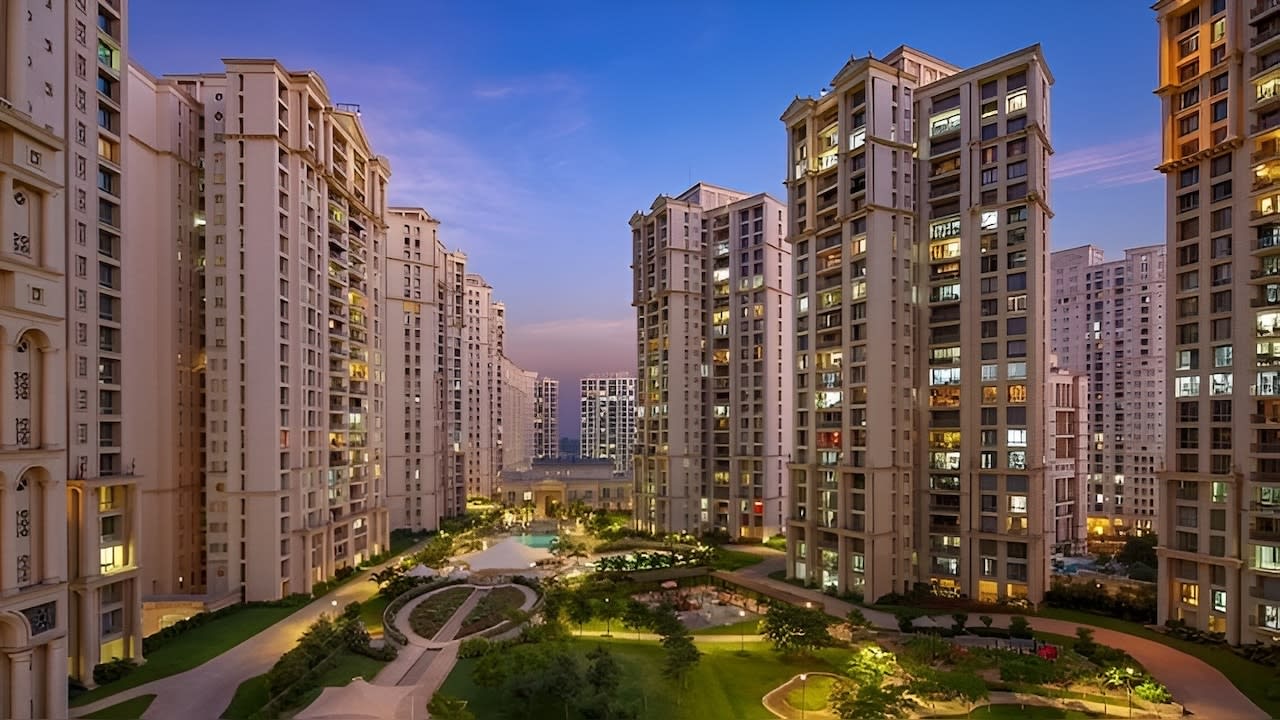
Homebuyers often face hidden financial burdens due to poor construction and inefficient architectural design. These factors significantly inflate the long-term cost of ownership beyond the initial purchase price.
The Hidden Costs of Modern Homeownership
When prospective homeowners enter the market, the primary focus is almost exclusively on the sticker price of the property. However, as recent analysis suggests, the mantra that 'bigger isn't always better' rings true when considering the long-term fiscal reality of real estate. A home is a complex machine, and when that machine is built with poor construction quality, the initial investment is merely the beginning of a cycle of financial drain.
The Impact of Subpar Construction
Poor construction quality serves as a silent tax on homeowners. Issues such as inadequate insulation, substandard roofing materials, or faulty plumbing do not merely represent minor inconveniences; they manifest as recurring repair costs that compound over time. When a property is built with haste or inferior materials, the structural integrity of the asset is compromised, often leading to premature degradation that necessitates expensive, unplanned interventions that can quickly erode any equity gains.
Inefficiency as a Financial Liability
Beyond physical repairs, inefficient design remains one of the most overlooked factors in property valuation. A home that lacks proper airflow, natural lighting, or thermal efficiency requires higher energy consumption to maintain a livable environment. In an era of fluctuating utility costs, an inefficiently designed home acts as a perpetual drain on a household's monthly budget. Architects and builders are increasingly being scrutinized for prioritizing aesthetic square footage over functional efficiency, leaving owners to pay the price in utility bills for decades.
The Burden of Maintenance
Maintenance is the inevitable cost of homeownership, but poor design and construction can turn routine upkeep into an exhaustive, high-cost endeavor. When homes are designed without accessibility for repairs—such as buried junction boxes or difficult-to-reach HVAC systems—the labor cost for simple maintenance skyrockets. These 'design traps' ensure that the total cost of ownership remains disproportionately high compared to the actual utility derived from the space.
Future Trends and Buyer Awareness
Looking ahead, we can expect a shift in market sentiment as buyers become more sophisticated. The trend is moving away from the obsession with sheer size toward a focus on 'total cost of ownership' (TCO). Prospective owners are increasingly employing professional inspectors to look beyond the surface, seeking data on energy efficiency ratings and material longevity. This shift will likely force builders to prioritize quality and efficiency to remain competitive in a market that is slowly waking up to the hidden costs of poorly conceived dwellings.
Conclusion
Ultimately, the value of a home is not defined by its footprint alone, but by its ability to provide shelter without imposing an undue financial burden. By recognizing that poor construction and inefficient design are liabilities, buyers can make more informed decisions. Prioritizing quality over sheer scale is not just a preference; it is a vital strategy for long-term financial health in the real estate market.
Verification Required?