Apple warns scammers are using FaceTime to steal bank account passwords — here's what to watch for
Source Entity
Yahoo Finance
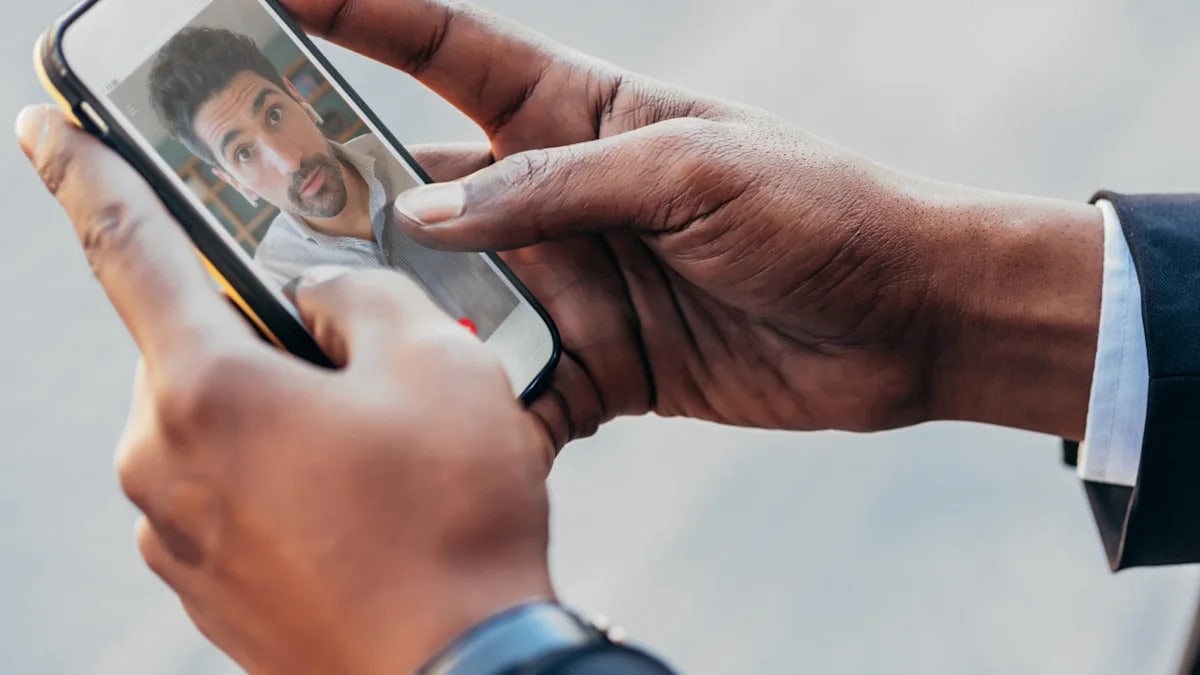
A Florida woman lost $50,000 to scammers posing as bank representatives who used sophisticated social engineering tactics. These fraudsters increasingly use FaceTime and screen-sharing to trick victims into revealing sensitive banking credentials and one-time codes.
The Rising Sophistication of Banking Scams
The recent case of a 32-year-old Florida woman losing $50,000 to scammers posing as Chase Bank representatives highlights a harrowing trend in financial fraud. By leveraging psychological pressure and the appearance of institutional legitimacy, these criminals are effectively weaponizing trust. The victim, who was diligently saving for a home, was manipulated by a caller who utilized industry-specific jargon to create a sense of urgency regarding alleged fraudulent charges on her account.
The Mechanics of Digital Deception
Modern scams have evolved beyond simple phishing emails. As reported, fraudsters now utilize FaceTime to establish a false sense of security. By switching from a standard audio call to a video connection, the perpetrators provide a visual veneer of professionalism that disarms the victim’s skepticism. This tactic is often a precursor to a more dangerous step: screen sharing. Once a victim is convinced to share their screen, they are prompted to log into their actual banking portal, allowing the scammer to watch in real-time as passwords, account numbers, and sensitive information are exposed.
The Role of One-Time Codes
At the heart of these modern thefts are one-time security codes. These codes serve as the final barrier between a criminal and a user's funds. When a victim is coerced into sharing these codes—often under the guise of 'securing' their account—they are inadvertently providing the 'keys' that allow fraudsters to authorize transfers from devices the victim has never authorized or touched. This represents a critical pivot in how financial institutions must communicate security protocols to their customers.
Psychological Exploitation and Urgency
Scammers rely heavily on the 'urgency trap.' By informing victims that their money is at immediate risk, the perpetrators bypass the victim's rational decision-making processes. In the case of the Florida woman, the scammers capitalized on her financial goals, turning her motivation to save for a home into a vulnerability. This high-pressure environment is designed to ensure the victim acts quickly before they have a chance to verify the caller's identity through official, independent channels.
Broader Implications for Financial Security
This incident serves as a stark reminder of the evolving threat landscape in digital banking. As technology becomes more integrated into our financial lives, the methods used to exploit that technology become more personalized and difficult to detect. Institutions are constantly fighting to stay ahead of these social engineering tactics, but the human element remains the most significant point of failure. Protecting one's assets now requires a high degree of skepticism toward any unsolicited contact, regardless of how official the caller appears to be.
Conclusion and Future Outlook
As scammers continue to refine their use of video platforms and real-time screen monitoring, consumers must remain hyper-vigilant. The best defense remains the refusal to share sensitive information—such as one-time codes or login credentials—with anyone, even those claiming to represent a trusted financial institution. Moving forward, education on these specific 'FaceTime' and 'screen-sharing' tactics will be essential in preventing future losses for individuals striving for financial stability.