Consolidated food supply may be worsening cyclospora outbreaks, experts say
Source Entity
US Top News and Analysis
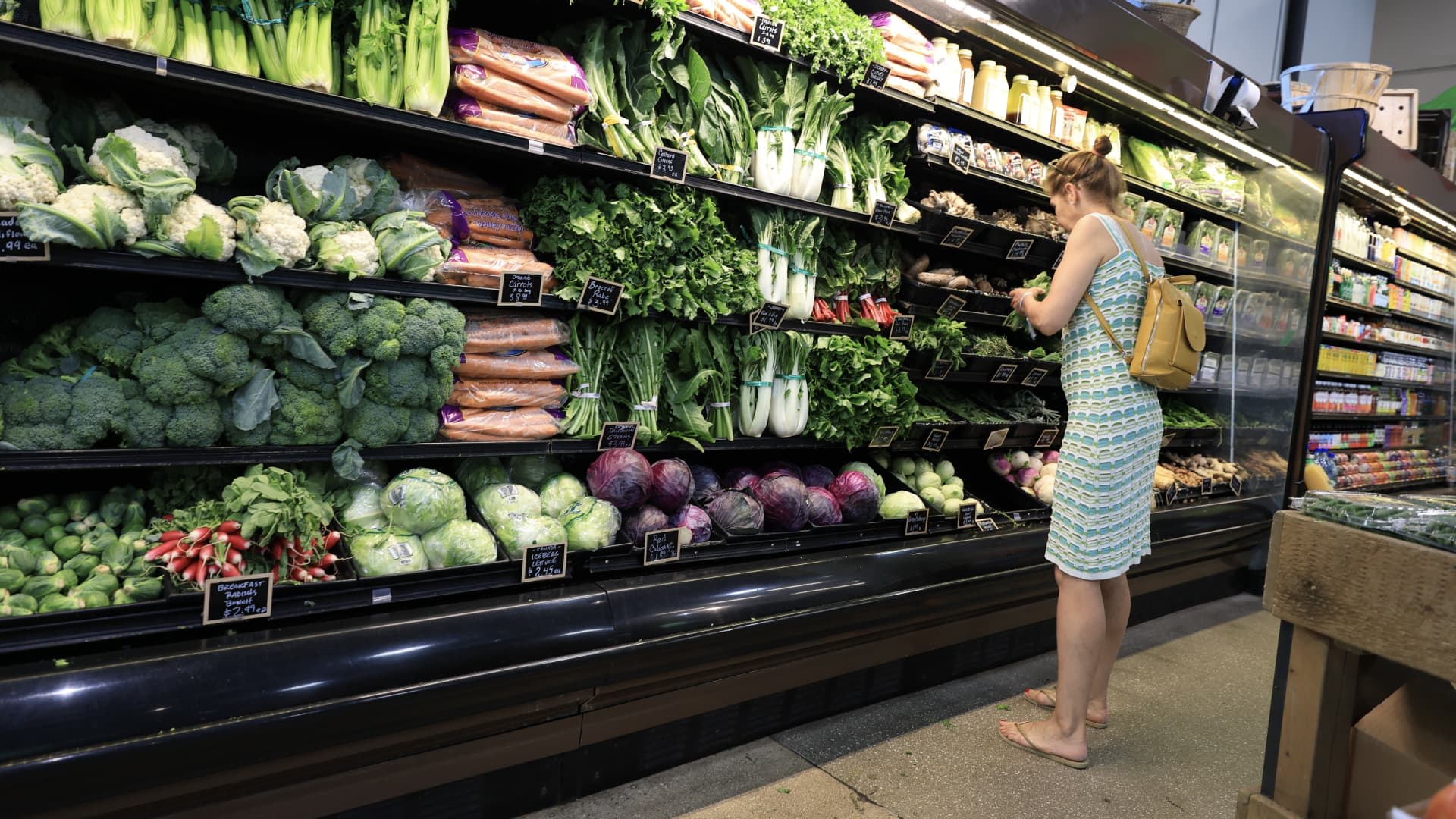
Experts suggest that recent food industry consolidation is intensifying cyclospora outbreaks by enabling wider distribution of contaminated produce. The parasite's long incubation period further complicates efforts to trace and contain these multistate health events.
The Intersection of Food Consolidation and Public Health
The recent surge in cyclospora cases across the United States has brought a critical, long-standing issue to the forefront of public health discourse: the impact of food industry consolidation on food safety. While investigators continue their arduous work to pinpoint the exact origin of the current contamination, experts are increasingly pointing toward the structural changes in how fresh produce is sourced and distributed as a primary catalyst for the scale of these outbreaks.
The Mechanics of Centralized Distribution
For decades, the American food system has shifted toward extreme centralization. Where food distribution was once localized, modern logistics now rely on massive, consolidated networks. According to Dr. David Relman of Stanford University, this shift is not merely a logistical evolution but a significant public health factor. When a single contaminated batch of produce enters a highly centralized distribution chain, the ability for that contamination to reach consumers across multiple states simultaneously is exponentially increased, transforming what might have been a small-scale, isolated event into a widespread national health crisis.
The Unique Challenges of Cyclospora
Cyclospora, a parasite transmitted via contaminated food or water, presents a uniquely difficult challenge for public health officials. Unlike some pathogens that cause immediate symptoms, cyclospora is characterized by a notably long incubation period. This delay between ingestion and the onset of illness creates a significant diagnostic and investigative lag. By the time cases are reported and confirmed, the contaminated product has often already been consumed or discarded, making the identification of the original source a logistical nightmare for authorities.
Historical Context and Industrial Shifts
This ongoing outbreak must be viewed through the lens of a decades-long transformation in the agricultural sector. The move toward larger, consolidated farming and distribution entities was designed to improve efficiency and reduce costs. However, as these networks have grown, so too has the risk profile of the food supply chain. The lack of redundancy in these systems means that a single point of failure—a contaminated field or processing facility—can now ripple through the entire national supply chain with minimal friction.
Implications for Future Food Safety
As we look toward the future, the trend of consolidation appears likely to continue, necessitating a rigorous re-evaluation of our safety protocols. The current situation suggests that relying solely on reactive measures is insufficient. Future trends in food safety will likely need to prioritize traceability technologies, such as blockchain or enhanced labeling, to counteract the risks posed by centralized distribution. Without systemic changes to how we track the provenance of our fresh produce, the risk of multistate outbreaks will remain an inherent feature of our modern food infrastructure.