HT Picks; New Reads
Source Entity
Latest News: Todays Latest News Headlines from India & World | Hindustan Times
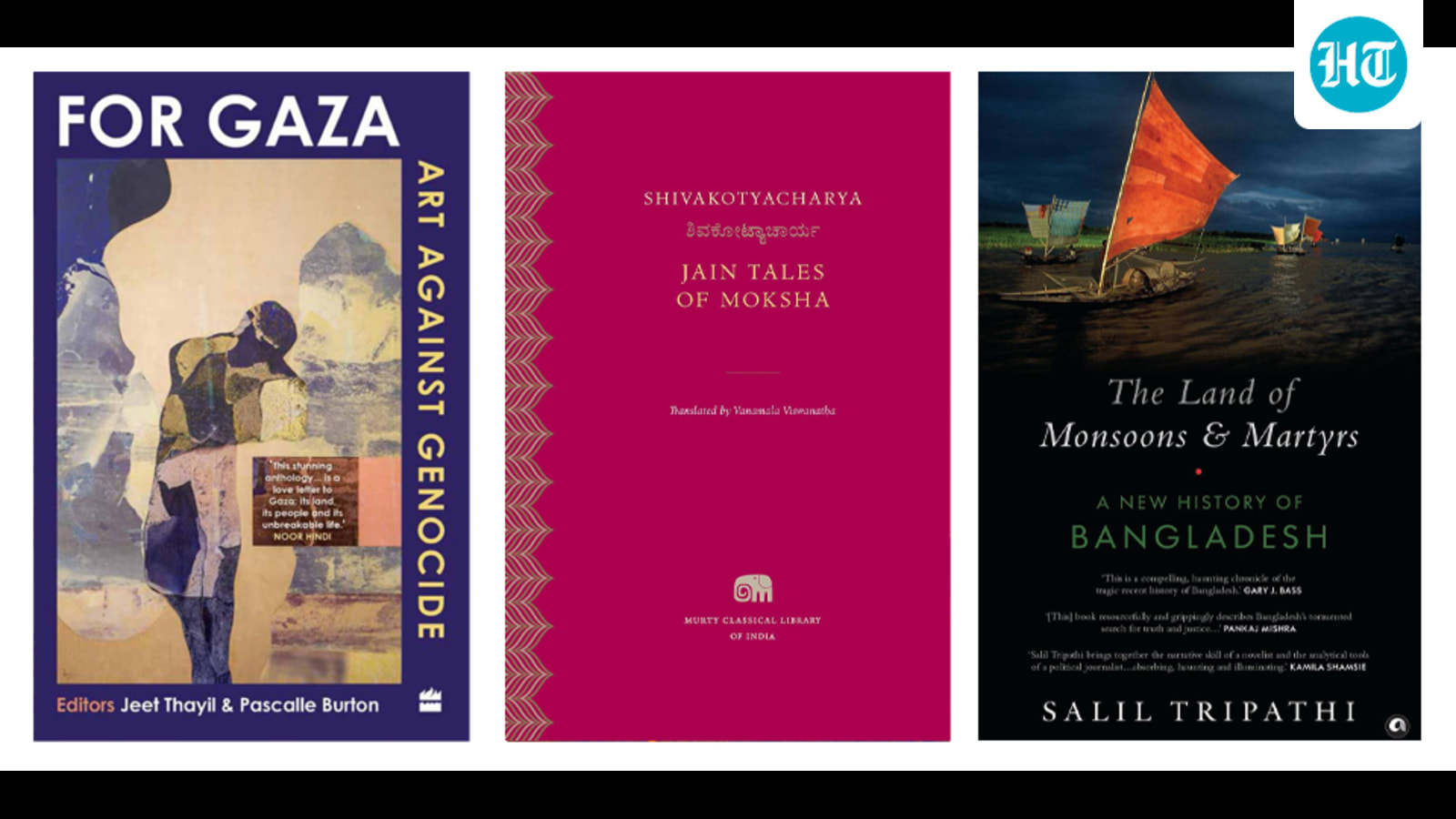
A new literary anthology titled 'For Gaza' features global artists documenting the humanitarian crisis in Palestine. This collection highlights the power of art to bear witness to conflict and challenge international silence.
The Power of Art in Times of Crisis
The recent release of the anthology For Gaza marks a significant moment in the intersection of contemporary literature and global activism. By curating works from artists across the globe, the collection seeks to move beyond the traditional journalistic approach to conflict, opting instead to bear witness to the devastating humanitarian situation in Gaza and the West Bank. This project functions as an archive of resistance, utilizing fiction, poetry, art, and reportage to humanize a population often reduced to statistical data points in mainstream media cycles.
Challenging Silence and Complicity
At its core, For Gaza acts as a direct challenge to the silence and perceived complicity of international powers regarding the ongoing conflict. By framing the crisis as a 'live-streamed' event, the anthology emphasizes the unique position of modern audiences who witness inhumane suffering in real-time. The contributors use their respective mediums to hold power to account, arguing that silence in the face of such devastation is not merely an absence of opinion, but an active endorsement of the status quo.
A Multidisciplinary Approach to Testimony
What sets this anthology apart is its generic diversity. By blending essays, photography, and anthems, the collection ensures that the narrative of Gaza is not restricted to a single lens. This multidisciplinary approach is vital for capturing the complexity of the 'open-air prison' context, where displaced Palestinians—particularly women, children, and the elderly—face daily obliteration. This structure allows the reader to engage with the subject matter through emotional, intellectual, and visual registers simultaneously.
Historical and Cultural Context
Literary responses to war have historically served as a critical barometer for human rights discourse. Much like the tenth-century Jain stories of warrior saints mentioned alongside this release, which explore themes of sacrifice and enlightenment, For Gaza seeks to anchor the current struggle in a broader human experience. By juxtaposing modern political reportage with ancient narratives, the collection invites readers to consider the weight of mortality and the pursuit of justice across different historical epochs.
Future Trends in Activist Literature
Looking ahead, the publication of For Gaza suggests a growing trend in 'activist publishing' where anthologies are used as rapid-response tools to ongoing global crises. As digital platforms continue to democratize the distribution of such works, we can expect to see more collections that prioritize marginalized voices and immediate testimony over traditional, slow-moving academic or mainstream publishing models. This shift signifies a move toward more urgent, participatory storytelling that demands engagement from its audience.
Conclusion
Ultimately, For Gaza serves as more than just a book; it is a profound act of solidarity. By transforming the 'zone of conflict' into a space of profound human expression, the anthology forces a confrontation with reality. It serves as a necessary reminder that art remains one of the most potent tools for preserving memory and challenging the dehumanization that often accompanies modern warfare.
Verification Required?