Ford’s big-truck bet is paying off— and Wall Street is taking notice
Source Entity
Claudia Assis
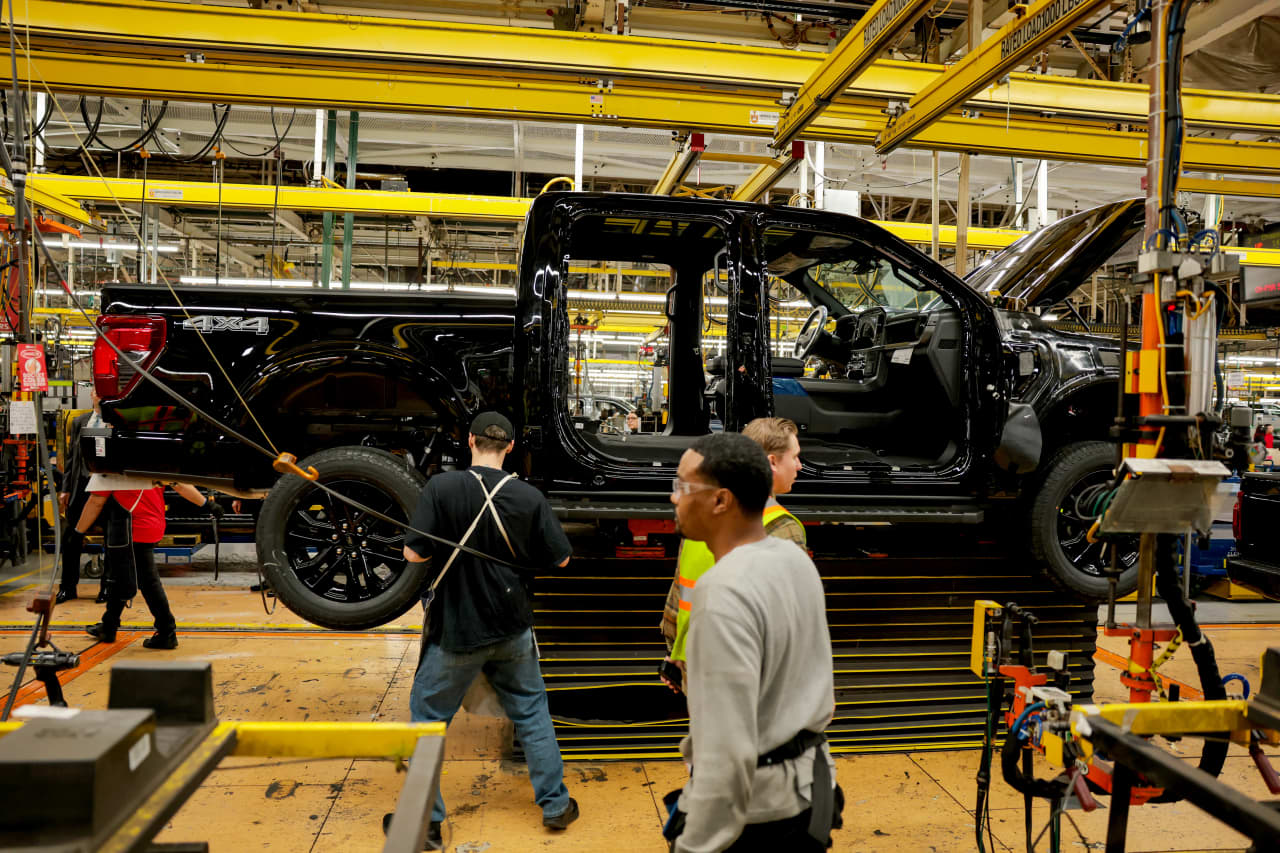
Ford is seeing positive market traction driven by its strategic focus on the heavy-duty truck sector. Investors are increasingly viewing the automaker as a potential turnaround story compared to its rival, General Motors.
The Strategic Pivot: Ford’s Heavy-Duty Resurgence
Ford Motor Company is currently navigating a critical inflection point, as evidenced by shifting market sentiment regarding its long-term profitability. By doubling down on its heavy-truck portfolio, Ford is attempting to capitalize on high-margin segments that have historically served as the bedrock of American automotive revenue. This strategic focus is not merely about sales volume, but about reinforcing brand dominance in a segment that remains resistant to the rapid volatility seen in other vehicle categories.
Challenging the GM Narrative on Wall Street
For years, General Motors (GM) has maintained a distinct advantage in investor perception, often viewed as the more disciplined operator with a clearer path to margin expansion. However, the current narrative surrounding Ford suggests a potential shift. As Wall Street analysts begin to scrutinize the efficacy of Ford’s capital allocation, the focus on the truck segment has become a focal point for those looking for signs of a genuine turnaround story. The market is slowly re-evaluating whether Ford’s reliance on its heavy-duty cash cows can provide the necessary cushion for its broader electrification and software transitions.
The Importance of the Truck Segment
In the automotive industry, heavy trucks are not just products; they are essential financial engines. These vehicles command significant pricing power and brand loyalty, which allows companies like Ford to insulate themselves against the cyclical downturns that often plague the passenger car market. By prioritizing these assets, Ford is essentially leveraging its core competency to fund its future-facing research and development, attempting to stabilize its balance sheet in the eyes of institutional investors who have long favored the perceived stability of GM.
Broader Economic Implications
This trend highlights a broader reality within the U.S. manufacturing sector: the move toward hyper-specialization. Ford’s decision to lean into its big-truck heritage is a calculated bet that the demand for rugged, high-utility vehicles will persist despite broader economic pressures. If this strategy succeeds, it could serve as a blueprint for legacy automakers attempting to modernize while maintaining the legacy revenue streams that keep them solvent during periods of high interest rates and supply chain uncertainty.
Future Trends and Market Outlook
Looking ahead, the success of this 'big-truck bet' will likely determine Ford's valuation trajectory relative to its peers. If the company continues to demonstrate that it can extract superior margins from its truck division, analysts may be forced to upgrade their outlook, potentially closing the valuation gap with General Motors. The coming quarters will be pivotal in determining whether this is a temporary uptick in sentiment or the beginning of a sustained period of institutional trust in Ford’s operational turnaround.
Verification Required?