Ford wants more customers to customize vehicles to boost profits as it eyes 'Nike shoe drop' moments
Source Entity
US Top News and Analysis
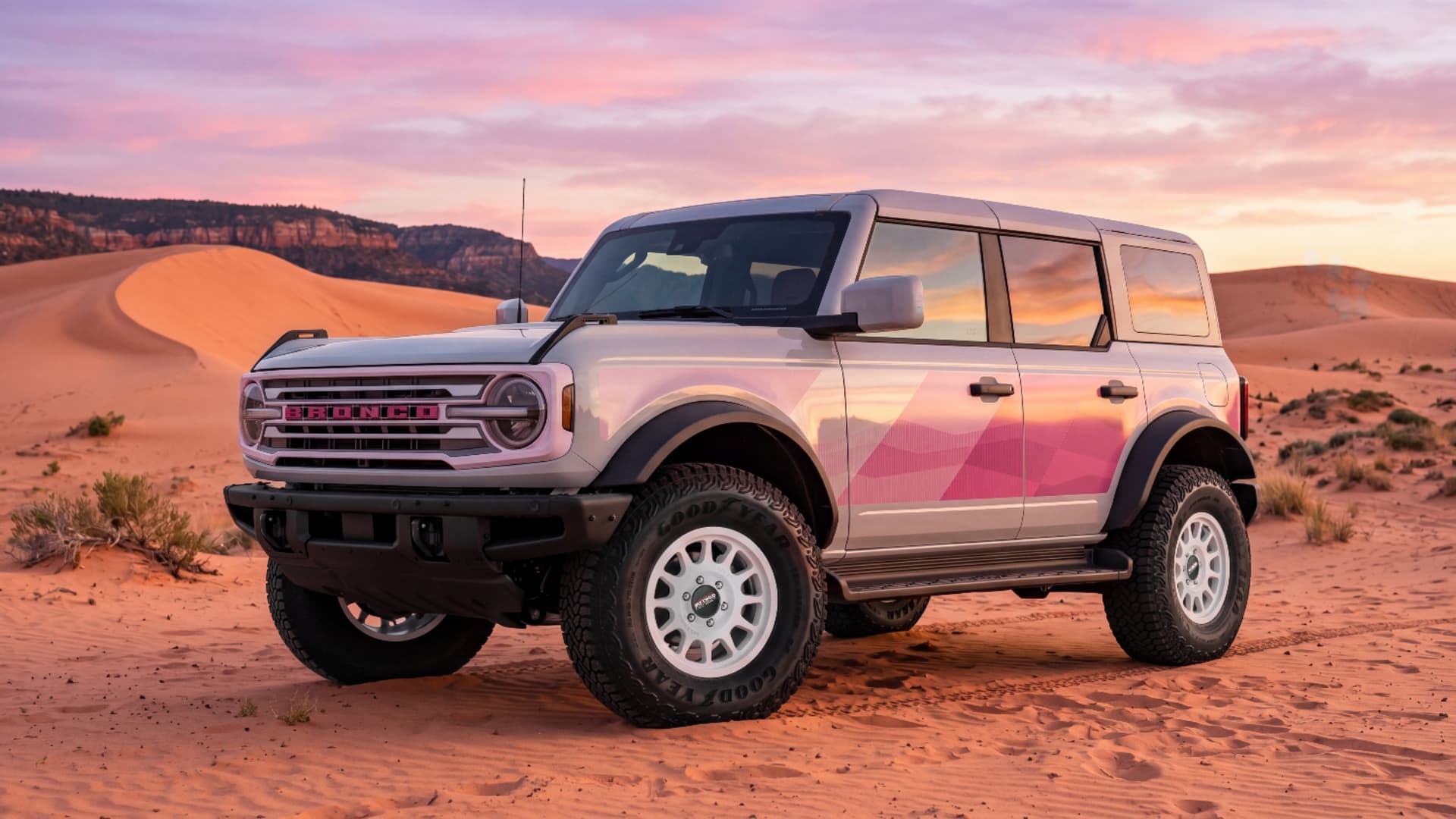
Ford is pivoting toward a high-margin customization strategy, aiming to capture a larger share of the $53 billion U.S. automotive aftermarket. By introducing limited-edition, 'shoe-drop' style vehicle packages, the company seeks to boost brand loyalty and profitability.
Ford's Strategic Pivot into the Aftermarket
Ford Motor Company is aggressively expanding its footprint within the $53 billion U.S. automotive aftermarket industry, signaling a major shift in how the legacy automaker approaches consumer engagement and profitability. By focusing on personalization—ranging from exterior wraps and detailing to performance-oriented hardware—Ford aims to transform the vehicle ownership experience from a static transaction into an ongoing relationship centered on customization.
The 'Nike Drop' Strategy
At the core of this strategy is a conceptual shift inspired by the retail success of limited-edition footwear. Matt Simpson, Ford Customization's executive director, has explicitly compared the company's vision to a "Nike shoe drop." This approach treats vehicle packages not merely as accessories, but as exclusive cultural moments that drive consumer excitement, urgency, and brand prestige. By creating scarcity around specific builds, Ford is attempting to build a community-driven ecosystem that transcends traditional automotive sales.
Targeting High-Margin Revenue
The financial impetus for this shift is clear: the automotive aftermarket is a massive, lucrative space that has historically been dominated by third-party providers. By bringing customization in-house, Ford can capture revenue that previously leaked to independent shops. This strategy allows the manufacturer to offer integrated, warrantied, and factory-tested modifications, which provides a level of quality assurance that independent aftermarket parts often lack.
The Case of the Ford Bronco
A practical application of this strategy is the introduction of limited-edition models, such as the Ford Bronco with the "Desert Rising" package. Priced at $57,350 and limited to a production run of just 1,000 units, this vehicle serves as a proof-of-concept for Ford’s new business model. It elevates the vehicle to a collector’s item, leveraging the iconic status of the Bronco brand to test consumer appetite for premium, pre-configured customization.
Broader Implications for the Auto Industry
Ford’s move suggests a broader industry trend where automakers are increasingly looking to differentiate their products in a commoditized market. As electric vehicles and software-defined cars become the norm, hardware customization offers a tangible way for owners to express individuality. This strategy also helps Ford hedge against market volatility by diversifying its revenue streams beyond the initial sale of the vehicle.
Future Outlook
Looking ahead, the success of this "drop" model will likely depend on the company's ability to balance production volume with the exclusivity required to maintain consumer interest. If Ford successfully captures a significant slice of the $53 billion aftermarket, it could set a new industry standard, forcing competitors to rethink their own parts and accessories divisions. The future of automotive retail is increasingly looking like a hybrid of high-end fashion and traditional manufacturing.