Ford bets on Apple for its next-generation of EVs
Source Entity
Sarah Perez, Kirsten Korosec
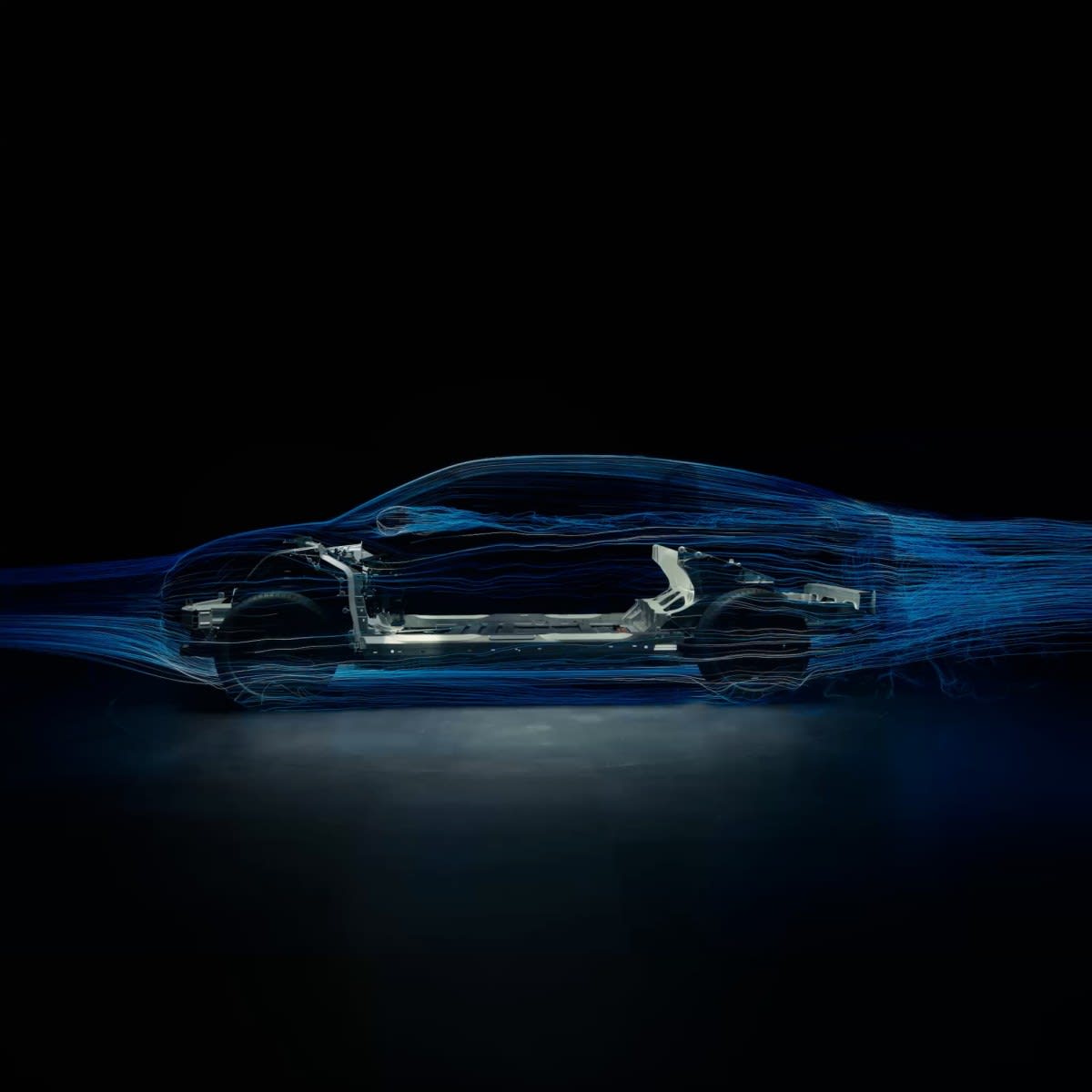
Ford has partnered with Apple to integrate MapKit for Automotive into its upcoming Universal Electric Vehicle (UEV) platform. This technology will debut in a $30,000 midsize electric truck arriving in 2027.
Ford Integrates Apple Maps into Next-Gen EV Strategy
In a significant shift for the automotive industry, Ford has announced it will become the first automaker to utilize Apple’s new developer tools, specifically 'MapKit for Automotive,' to embed navigation directly into its vehicle infotainment systems. This strategic partnership signals a departure from traditional proprietary dashboard software, opting instead for a seamless integration of Apple’s mapping ecosystem. By embedding this technology, Ford aims to provide drivers with a native experience that includes natural language turn-by-turn directions, real-time traffic updates, and intuitive search functions.
The Universal EV Platform (UEV)
This integration is a cornerstone of Ford’s broader transition toward a 'Universal Electric Vehicle' (UEV) platform. Rather than continuing with siloed vehicle architectures, Ford is moving toward a unified foundation that will underpin a diverse range of models, including a midsize truck, a sedan, a crossover, a three-row SUV, and commercial vans. The decision to bake Apple Maps into the foundational software of the UEV suggests that Ford is prioritizing software-defined vehicle capabilities to maintain competitiveness in the rapidly evolving electric market.
Strategic Focus on Affordability and Tech
Ford has explicitly tied this technological leap to its goal of producing more affordable and efficient electric vehicles. The first model to showcase this deep Apple integration will be a midsize electric truck, slated for a 2027 release with a target price point of $30,000. By focusing on a lower price tier, Ford is attempting to address one of the primary barriers to EV adoption: cost. Integrating sophisticated, user-friendly navigation is a key differentiator intended to attract tech-savvy consumers who expect their vehicle interfaces to mirror the capabilities of their smartphones.
Intelligent Routing and EV-Specific Features
Beyond standard navigation, the integration will feature specialized tools tailored for electric vehicles. This includes intelligent EV routing and battery preconditioning. By leveraging Apple Maps’ data, the vehicle will be able to calculate routes that optimize battery usage and ensure the vehicle is prepared for charging stops, addressing 'range anxiety' through software intelligence. This depth of integration illustrates how software is becoming as critical as powertrain efficiency in modern vehicle design.
Broader Implications for the Auto Industry
Ford’s move reflects a growing trend where automakers increasingly rely on tech giants for core user-experience components rather than building proprietary systems from scratch. For Apple, this marks a significant expansion of its 'MapKit for Automotive' toolset, proving its value to hardware manufacturers. As the industry moves toward 2027, the success of this platform will likely set a benchmark for how legacy automakers balance their internal engineering with the specialized software ecosystems provided by Silicon Valley.
Conclusion
Ford’s commitment to integrating Apple Maps into its UEV platform represents a pivotal moment in the company's modernization efforts. By focusing on a cohesive, technology-forward strategy starting with its 2027 affordable truck lineup, Ford is positioning itself to bridge the gap between traditional automotive manufacturing and the digital expectations of modern drivers. The success of this synergy will be a critical indicator of Ford’s long-term viability in the electric vehicle landscape.