Foreign tourists drive UK-themed auto-rickshaw on Shimla’s Mall Road, fined Rs 1,500
Source Entity
Saurabh Parashar
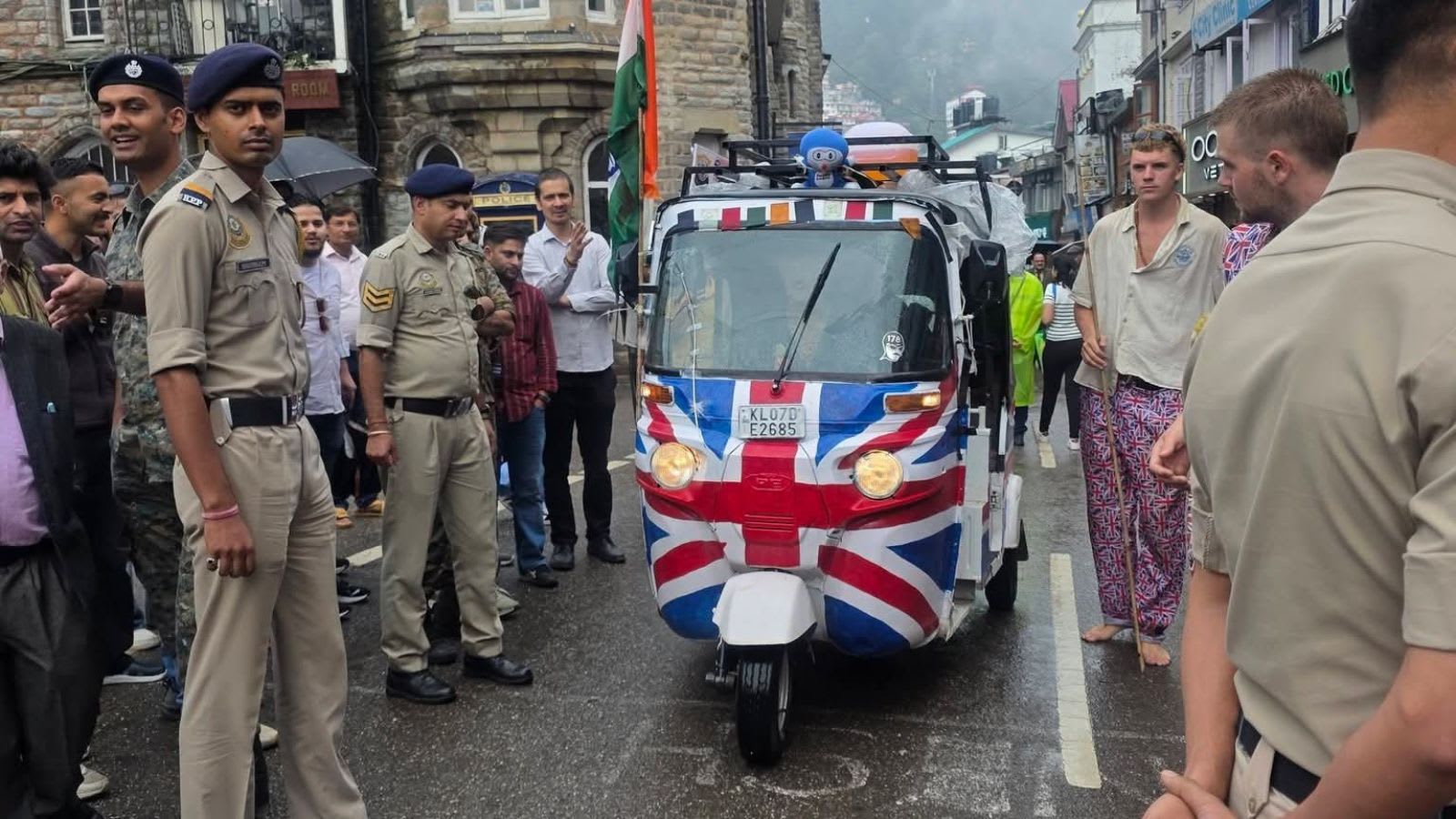
The police issued a challan of Rs 1,500 in the name of the foreign tourist who was driving the three-wheeler. (Express Photo) A joyride in an auto-rickshaw on the Mall Road in Shimla on Saturday set ...
Unusual Transit Violation in the Hills: Analysis of the Shimla Mall Road Incident
In a peculiar intersection of tourism and traffic enforcement, foreign tourists visiting Shimla, Himachal Pradesh, found themselves on the wrong side of the law after operating a UK-themed auto-rickshaw on the city's iconic Mall Road. The incident culminated in the local police issuing a challan (fine) of Rs 1,500 to the driver. While the event may seem like a minor traffic infraction, it highlights the ongoing tension between the desire for experiential tourism and the strict regulatory frameworks governing heritage zones in India.
The Significance of Mall Road's Pedestrian Status
To understand why this incident led to a fine, one must consider the unique urban planning of Shimla's Mall Road. As the heart of the city, the Mall Road is a designated pedestrian-only zone, designed to protect the area from the congestion and pollution typically associated with mountain towns. By banning motorized vehicles, the local administration preserves the walking experience and ensures the safety of thousands of tourists and residents. The act of driving an auto-rickshaw—regardless of its theme or the nationality of the driver—represents a direct violation of these zoning laws, necessitating a firm response from the police to prevent others from treating the promenade as a thoroughfare.
Colonial Irony and the 'UK-Themed' Vehicle
The most striking detail of this event is the "UK-themed" nature of the auto-rickshaw. This adds a layer of historical irony to the situation, as Shimla served as the summer capital of the British Raj. The city's architecture and layout were heavily influenced by British colonial planning, intended to remind officials of home. Seeing a vehicle themed after the United Kingdom navigating the streets of a former colonial outpost creates a visual loop of history. However, while the vehicle may have been intended as a novelty or a tribute, the local authorities prioritized the rule of law over the aesthetic or novelty value of the transport.
Law Enforcement and the Tourist Experience
The imposition of a Rs 1,500 fine serves as a critical signal regarding the application of Indian law to foreign nationals. Often, there is a misconception that tourists may be granted leniency for "innocent" mistakes or cultural misunderstandings. By issuing a formal challan, the Shimla police demonstrated a commitment to uniform law enforcement. This approach is essential in high-traffic tourist destinations where allowing a single exception can lead to a cascade of similar violations, eventually compromising the integrity of pedestrian-only zones and public safety.
The 'Experience Economy' vs. Public Order
This incident reflects a broader trend in the "experience economy," where travelers seek unique, Instagrammable moments—such as driving a themed rickshaw through a scenic hill station—often at the expense of local regulations. The drive to create a memorable narrative for social media can sometimes blind tourists to the legal constraints of their environment. In this case, the joyride was a clash between the tourist's desire for a unique adventure and the city's need for disciplined urban management.
Future Implications for Hill Station Tourism
Looking forward, this event may prompt local authorities in Himachal Pradesh to implement more robust orientation for foreign tourists upon arrival. As Shimla continues to attract global visitors, there is a growing need for clear communication regarding "no-go" zones for vehicles. We can predict a trend toward increased signage in multiple languages and perhaps the introduction of designated "experience zones" where themed vehicles can be used legally, thereby satisfying the tourist's appetite for novelty without disrupting the peace of heritage sites.
Conclusion
Ultimately, the fining of foreign tourists on Shimla's Mall Road is a reminder that the charm of a destination is maintained through the strict adherence to its rules. While the sight of a UK-themed rickshaw may have been an amusing anomaly, the police action ensures that the pedestrian sanctity of the Mall Road remains intact. This event underscores the necessity for travelers to balance their quest for novelty with a respect for local laws and urban planning.